
The Scalp Microbiome: Your Head’s Bacterial Ecosystem
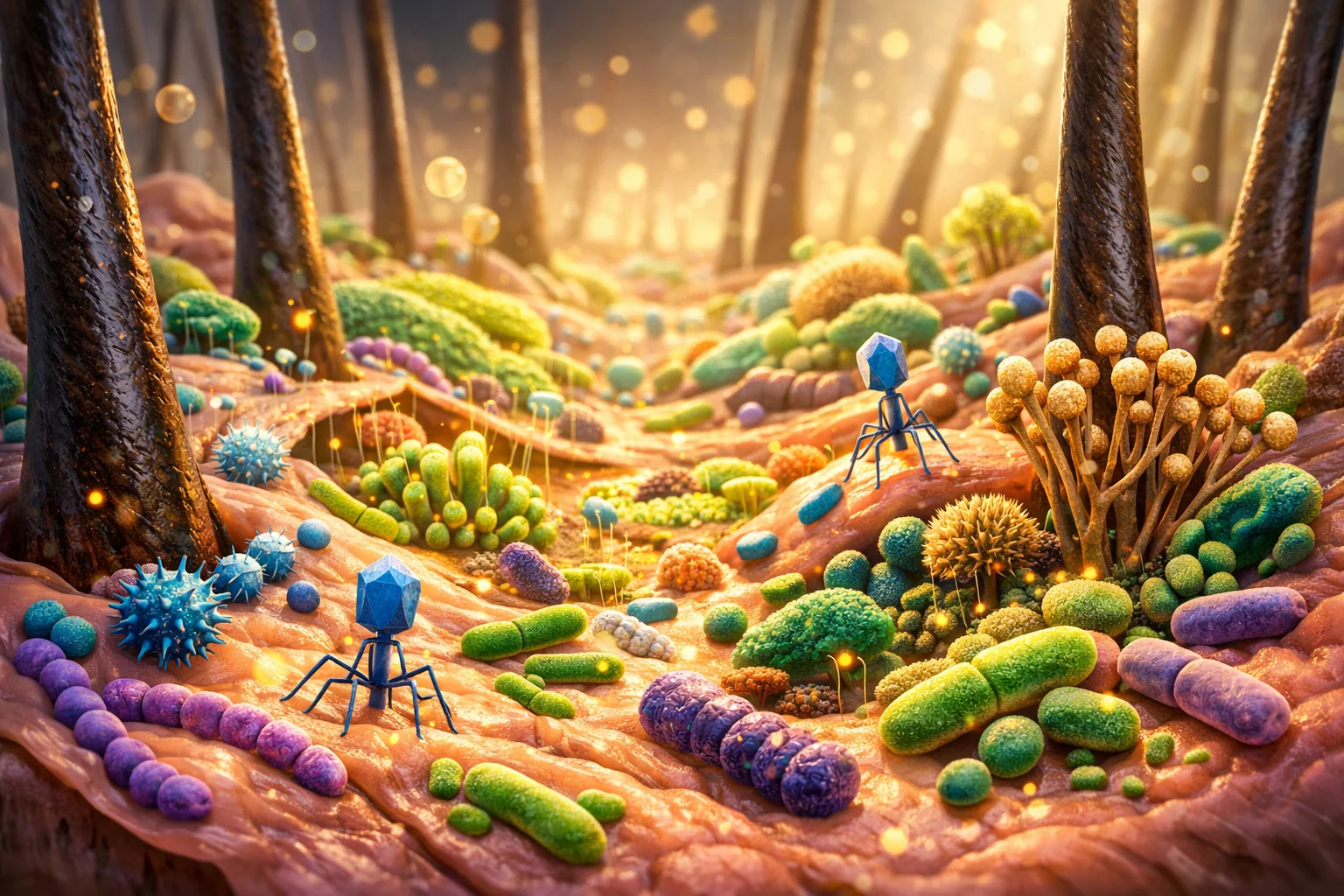
When we think about scalp health, our minds typically jump to the usual suspects: hair products, sebum production, or the dreaded visible flakes of dandruff. We might wash our hair to get rid of “dirt” and “germs.” But what if we told you that a healthy scalp is actually a bustling metropolis of microscopic life?
Welcome to the world of the scalp microbiome: a complex and dynamic ecosystem of bacteria, fungi, and viruses that call your head home. Far from being a sign of poor hygiene, this community is essential for maintaining a healthy, balanced, and itch-free scalp.
More Than Just Skin
Your scalp is a unique environment. It has a high density of hair follicles, an abundance of sebaceous (oil) glands, and is often covered—creating a warm, moist, and nutrient-rich habitat. This makes it distinctly different from the skin on your forearm or face.
The primary residents of this ecosystem are bacteria (like Propionibacterium, Staphylococcus, and Corynebacterium) and a specific type of fungus called Malassezia. In a healthy state, these microorganisms live in harmony with each other and with you. They feed on the oils your scalp produces (sebum) and, in return, help maintain the skin’s protective barrier, fend off more harmful pathogens, and regulate inflammation.
When the Ecosystem Falls Out of Balance: Dysbiosis
Just like a rainforest or a coral reef, the scalp’s microbial community relies on a delicate balance. When this balance is disrupted—a state known as dysbiosis—it can lead to a cascade of common scalp concerns.
Think of dysbiosis as an ecological disaster on your head. A once-diverse forest becomes overrun by a single, aggressive weed species. On the scalp, this “weed” is often the fungus Malassezia.
While Malassezia is a normal, healthy resident, certain triggers can cause it to overgrow. These triggers include:
-
Hormonal fluctuations: Changes in hormone levels can increase sebum production, providing a feast for Malassezia.
-
Stress: Chronic stress can weaken the skin’s barrier and alter immune responses.
-
Harsh hair products: Over-washing with strong detergents (like Sodium Lauryl Sulfate) can strip the scalp of its natural oils, disrupting the environment. Conversely, not washing enough can allow oil and microbes to accumulate excessively.
-
Environmental factors: Humidity, pollution, and even changes in weather can impact the scalp’s ecosystem.
The Link Between Microbes and Common Scalp Conditions
This imbalance isn’t just an abstract scientific concept; it’s the driving force behind many of the issues you can see and feel.
-
Dandruff and Seborrheic Dermatitis: This is the classic example of microbial dysbiosis. When Malassezia fungi overgrow, they break down sebum into byproducts that can irritate the skin. For those with a sensitivity to these byproducts, the body responds with inflammation, leading to accelerated skin cell turnover. The result? Those tell-tale white or yellowish flakes and an itchy, red scalp.
-
Folliculitis: This condition, which looks like small, pimply bumps around hair follicles, is often bacterial in origin. An overgrowth of Staphylococcus bacteria, sometimes due to irritation from shaving or friction, can lead to infected and inflamed follicles.
-
Dryness and Sensitivity: An overgrowth of one type of bacteria can also suppress another. If the beneficial, oil-loving bacteria are wiped out by harsh products, it can leave the scalp’s barrier compromised, leading to dryness, tightness, and increased sensitivity to other products or environmental stressors.
How to Cultivate a Healthy Scalp Microbiome
So, how do you move from being a microbial warlord trying to wipe out all life to a benevolent ecosystem manager? The goal isn’t sterility; it’s balance. Here’s how to support your scalp’s microscopic tenants:
-
Be Gentle with Cleansing: The goal is to manage oil and buildup, not to strip the scalp bare. Look for gentle, pH-balanced shampoos. If you struggle with dandruff, use a specialized shampoo with active ingredients like pyrithione zinc, selenium sulfide, or ketoconazole, but consider rotating it with a gentle, hydrating shampoo to avoid overly stressing the ecosystem.
-
Don’t Over-Wash or Under-Wash: Find a washing frequency that works for your hair type and lifestyle. This keeps sebum and microbe levels in a happy medium.
-
Watch the Water Temperature: Hot water can be very drying and strip natural oils. Stick to lukewarm water when washing your hair.
-
Consider Prebiotics and Probiotics: The world of skincare is now moving to haircare. You can find shampoos and scalp treatments formulated with prebiotics (which act as food for beneficial microbes) or postbiotics (which are the beneficial byproducts of bacterial fermentation). These help to actively feed and support a healthy microbial community.
-
Manage Stress: It sounds cliché, but chronic stress is a known disruptor of all your body’s ecosystems, including your scalp. Finding healthy ways to manage stress can have a direct impact on the health of your skin and hair.
The next time you scratch your head, remember you’re interacting with a complex and vital ecosystem. By treating your scalp with a little more understanding and a lot less harsh chemistry, you can cultivate the balanced, healthy environment that leads to not just great-looking hair, but a genuinely healthy head of skin.
About the Author
