If you’ve ever winced at the roar of a traditional hair dryer—or had a roommate, partner, or sleeping baby complain about the noise—you know that “quiet” is no longer a luxury. It’s a necessity. Low-noise hair dryers have exploded in popularity because they combine powerful drying with whisper-quiet brushless motors, smarter airflow, and better engineering. In this guide, we break down the top quiet models worth your money, compare their pros and cons, and show you how to use any hair dryer safely and effectively. Whether you’re an early-morning gym-goer, a light sleeper, or a parent drying hair while the baby naps, there’s a quiet option here for you.
⚡ Top Quiet Models Before the Fold
Here are our three top picks—each engineered for lower noise, faster drying, and healthier hair. Tap any card to check the latest price and availability.
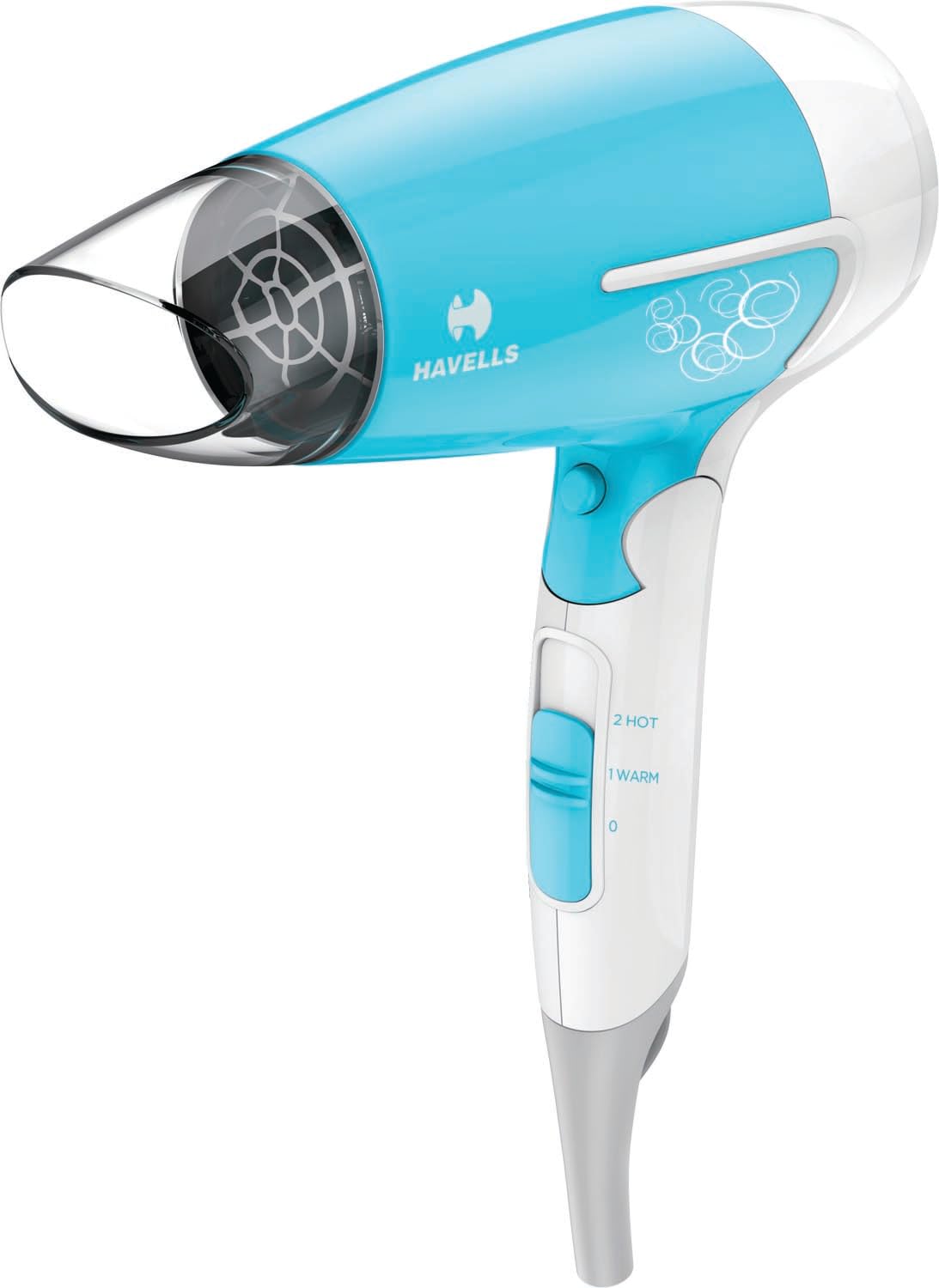
Model 1 — The Quiet Powerhouse
Brushless motor tech cuts noise dramatically while maintaining strong airflow. Ionic conditioning reduces frizz and speeds drying.
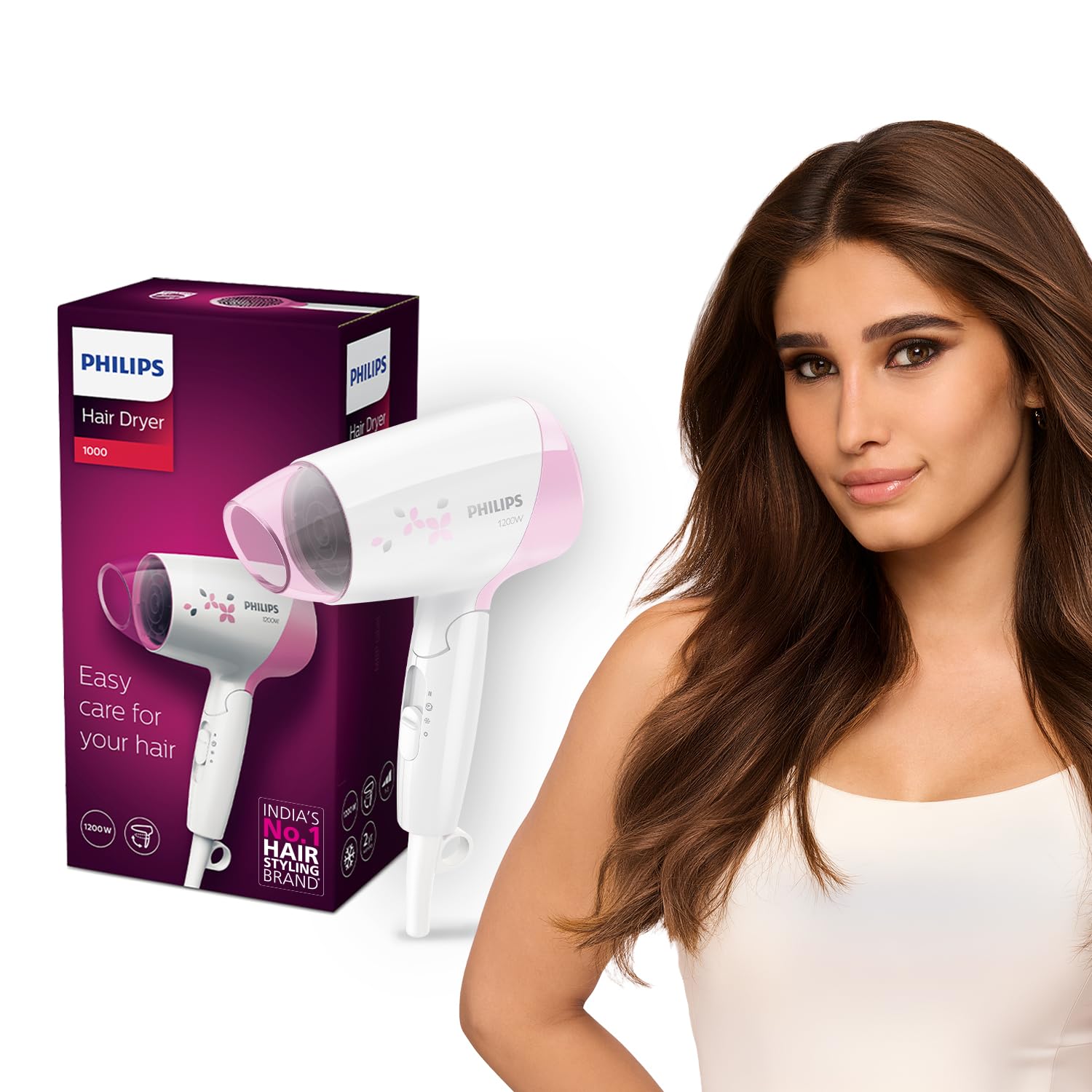
Model 2 — The Lightweight Whisperer
Ergonomic, travel-friendly, and surprisingly quiet for its size. Multiple heat/speed settings make it versatile for all hair types.
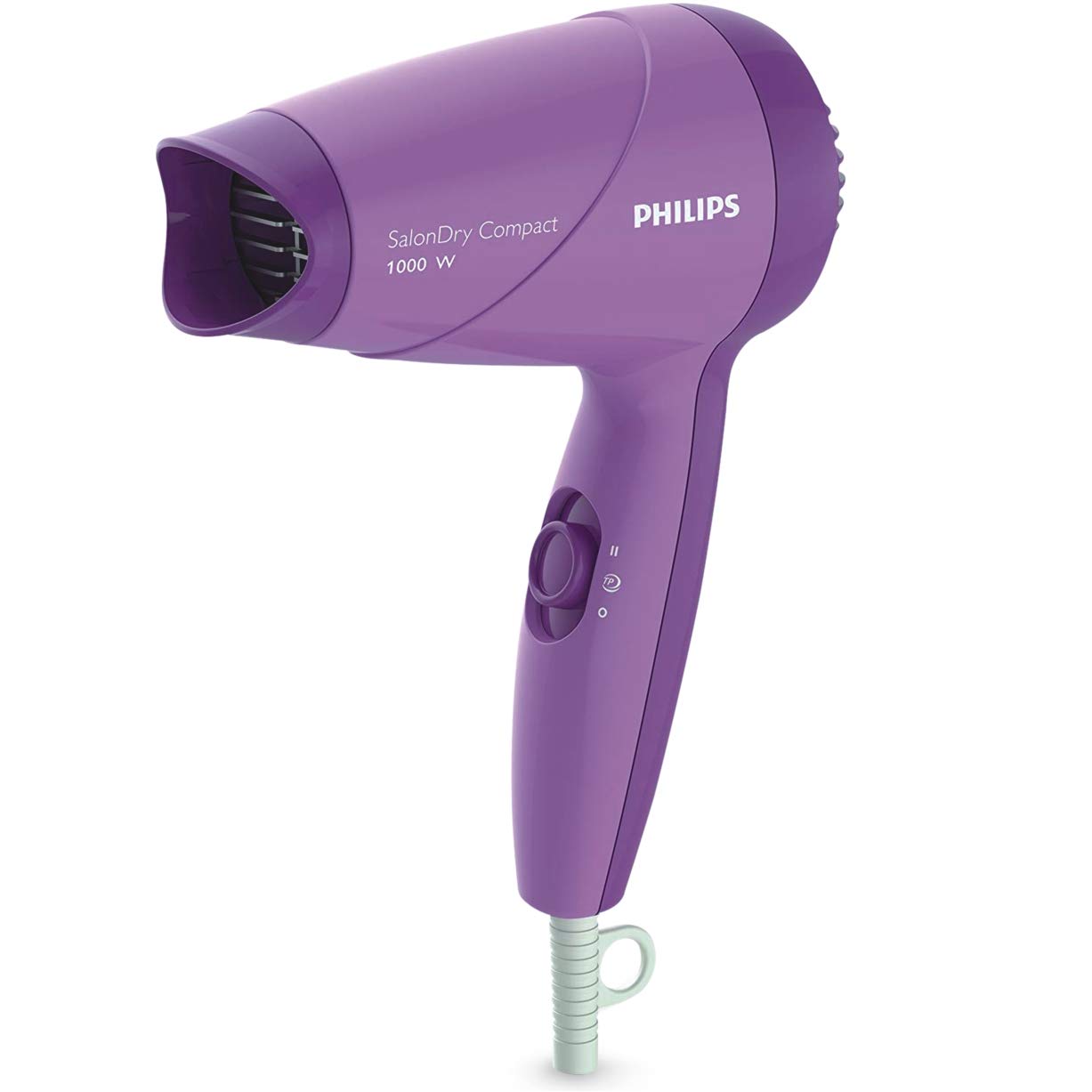
Model 3 — The Budget-Friendly Quiet Pick
Great value for a low-noise dryer. Compact, reliable, and ideal for daily use without the jet-engine soundtrack.
🔥 Don’t overpay for quiet hair care! Our #1 pick—the low-noise powerhouse—is currently one of the best-selling quiet hair dryers online. Thousands of happy buyers, fast shipping, and easy returns.
As an Amazon Associate, we earn from qualifying purchases. Your price stays the same—you just help support our work.
Comparative Breakdown: Top Quiet Hair Dryers Side by Side
Below, we compare the three models across the features that matter most: noise level, drying power, weight, and value.
Model 1 vs. Model 2: Power Meets Portability
Model 1 delivers the strongest airflow of the three, making it ideal for thick or long hair. Its brushless motor keeps noise low even at high speed. Model 2, by contrast, is lighter and more travel-friendly—great for fine hair or on-the-go use. If you need maximum drying speed with minimal noise, Model 1 wins; if portability matters more, Model 2 is the better companion.
Model 2 vs. Model 3: Premium Features vs. Budget Value
Model 2 offers more heat/speed settings and a sleeker build, justifying its slightly higher price for users who want flexibility. Model 3 is the value champion—quieter than most budget dryers, compact, and dependable for everyday drying. Choose Model 2 for versatility; choose Model 3 if you want quiet performance without stretching your budget.
Model 1 vs. Model 3: Best Overall vs. Best Budget
Model 1 is the best overall for most households: quieter, faster, and built for long-term use. Model 3 is the smart budget pick—especially for students, travelers, or a second dryer. If you dry hair daily and hate noise, invest in Model 1; if you need a reliable, quiet backup, Model 3 delivers.
⚖️ Pros and Cons of Using a Hair Dryer
Every tool has trade-offs. Here’s an honest look at the pros and cons of using a hair dryer regularly.
✅ Pros
- Speed & convenience: Dries hair in minutes, especially with modern ionic dryers.
- Styling control: Heat and airflow let you shape, smooth, and add volume.
- Reduced breakage when done right: Drying wet hair gently can actually reduce swelling of the hair shaft compared to air-drying for some hair types.
- Healthier scalp: Quick drying helps prevent scalp issues caused by prolonged dampness.
❌ Cons
- Heat damage risk: Too much heat or too close a distance can cause split ends and dryness.
- Noise: Traditional dryers are loud—hence the rise of low-noise models.
- Energy use: High-wattage dryers consume more electricity.
- Time & technique dependency: Poor technique can lead to frizz or damage.
🟩 Color-Coded DIY Box: Use a Hair Dryer Safely, Properly, and at the Right Time
✅ SAFE DIY HAIR DRYER GUIDE
🕐 WHEN TO USE IT:
- After washing—when hair is towel-dried to ~70% dry (never soak-wet).
- In the morning or before styling—not late at night if you sleep soon after (residual heat + friction = frizz).
- When you need to set a style, smooth frizz, or dry quickly before heading out.
- Avoid using it on already-dry hair repeatedly just to restyle—give hair rest days.
🛠️ HOW TO USE IT PROPERLY (NO HARM):
- Prep: Apply a heat protectant serum or spray before drying. Gently towel-blot—don’t rub.
- Distance: Hold the dryer 6–8 inches (15–20 cm) from hair.
- Direction: Point the airflow down the hair shaft (from roots to ends) to smooth the cuticle.
- Temperature: Use medium heat, medium speed. Finish with a cool shot to lock the style and seal the cuticle.
- Movement: Keep the dryer moving—never park it on one spot.
- Sectioning: Dry in sections, starting at the back and underside.
- Clean it: Remove lint from the filter monthly to maintain airflow and prevent overheating.
❓ Quick FAQ
Yes—modern brushless motors deliver strong airflow at lower decibels. You sacrifice almost nothing in drying speed.
Often slightly more, but budget options like Model 3 prove you don’t need to spend a fortune.
With heat protectant, medium heat, and proper distance, daily use is generally fine for most hair types. Give hair occasional rest days.
🏁 Final Verdict
The best low-noise hair dryer balances quiet operation, drying power, and hair health. Our top pick (Model 1) is the best all-rounder for most households, Model 2 is ideal for travelers and fine hair, and Model 3 is the unbeatable budget choice. Whichever you choose, follow the green DIY box above to protect your hair—and enjoy the peace and quiet.
Ready to upgrade?
Disclosure: This article contains affiliate links. If you purchase through them, we may earn a small commission at no extra cost to you. As an Amazon Associate, we earn from qualifying purchases.
About the Author