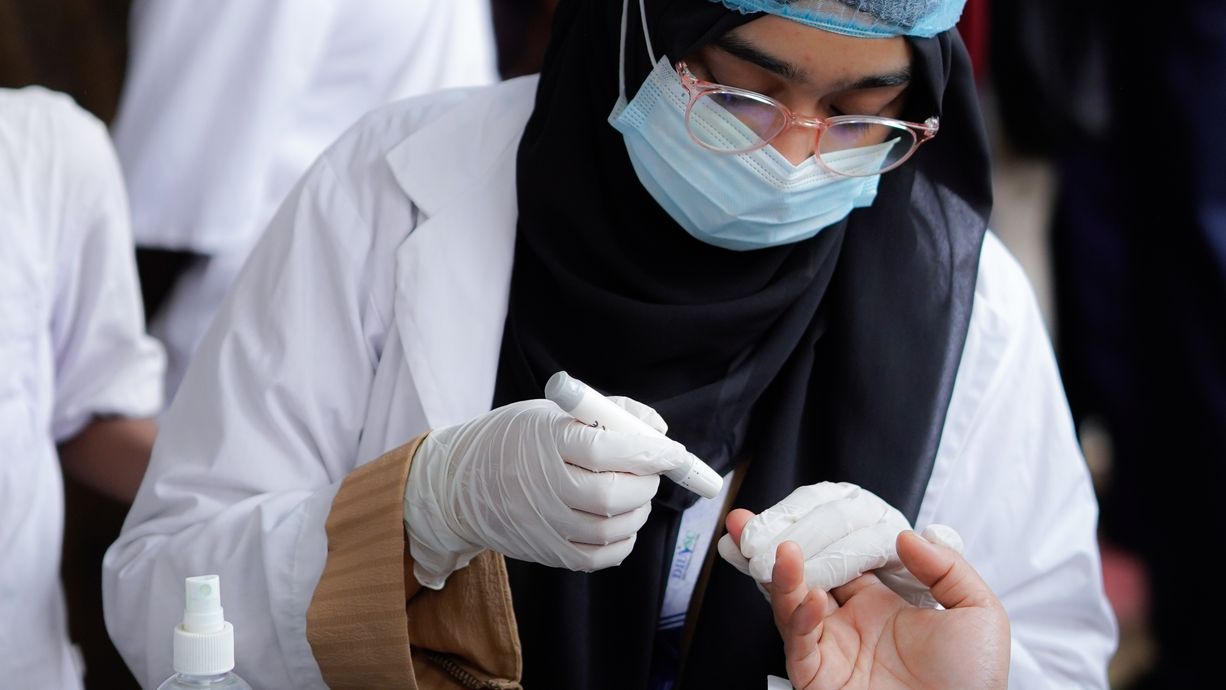
Hair loss in women is rarely just a cosmetic concern—it’s often the body’s earliest signal that something deeper is off. Thyroid imbalances, iron deficiency, hormonal shifts, and vitamin gaps can all quietly trigger shedding long before you notice thinning at the part line. The good news? A well-chosen blood test can catch these causes early, when treatment works best. In this guide, we break down the absolute necessary tests, the helpful-but-not-essential ones, the optional and often unnecessary add-ons, and where to buy reliable at-home hair loss test kits. We also explain what a microscopic hair strand examination reveals—and what you can conclude from simply viewing strands under a magnifying light at home.
🛒 Top At-Home Hair Loss Test Kits to Buy
Here are three reliable at-home test options to explore. Tap any card to check current pricing and availability.

Hair Loss Test Kit — Option 1
Comprehensive at-home panel covering key markers like ferritin, thyroid, and vitamin levels. Easy sample collection with lab-reviewed results.
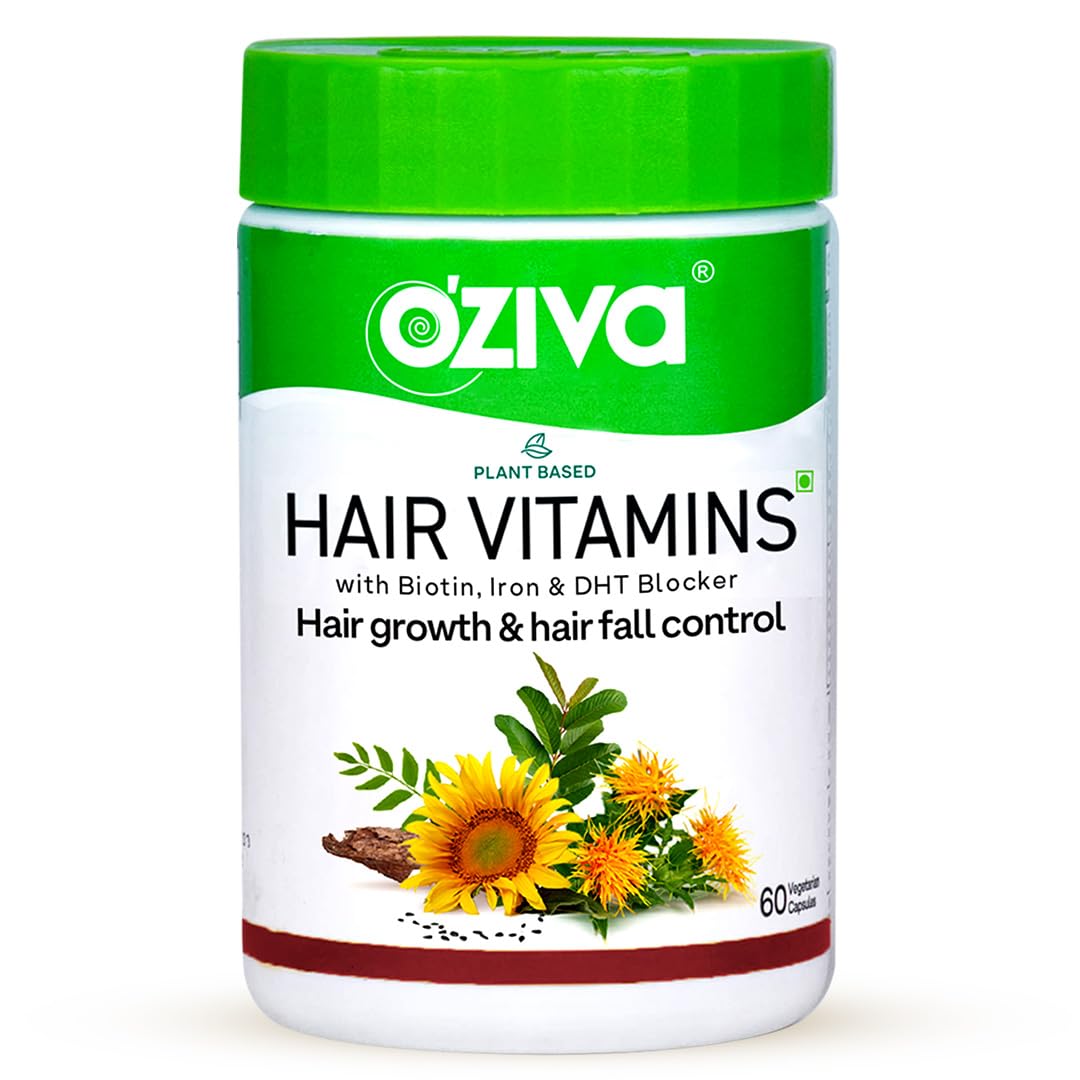
Hair Loss Test Kit — Option 2
Reliable at-home testing with physician-reviewed results. Ideal for screening iron, thyroid, and nutritional deficiencies linked to shedding.
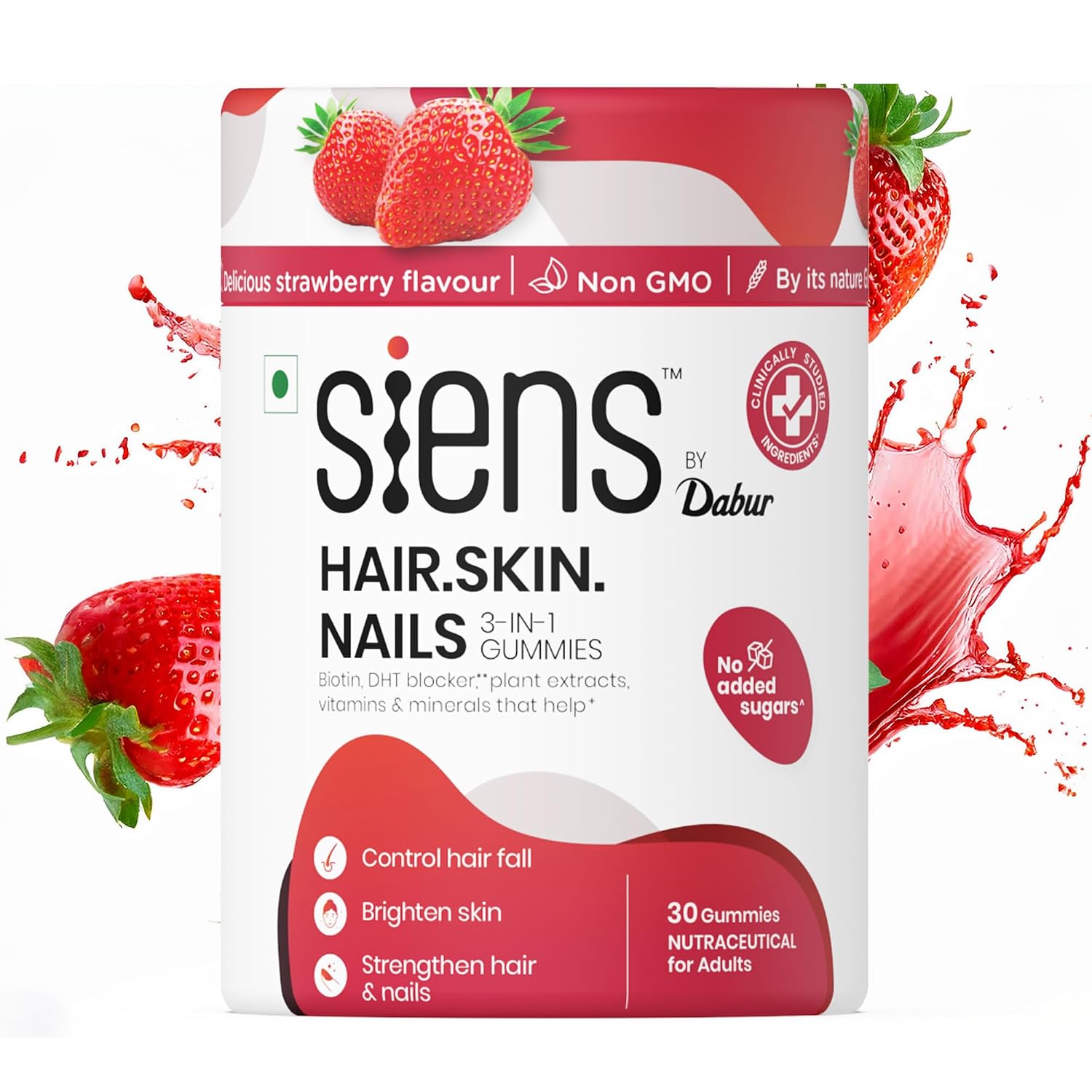
Hair Loss Test Kit — Option 3
Budget-friendly at-home kit with clear instructions and lab-certified analysis. A smart first step for women experiencing early shedding.
🔬 Why Early Lab Diagnostics Matter: The Pros and Cons
✅ The Pros of Early Testing
- Catches reversible causes before permanent follicle damage. Iron deficiency and thyroid issues are highly treatable—but only if you know they exist.
- Ends the guessing game. Instead of buying random supplements, you test, then target the actual deficiency.
- Saves money long-term. A targeted panel can prevent years of ineffective shampoos, serums, and wasted salon visits.
- Tracks treatment progress. Repeat labs show whether your iron, ferritin, or thyroid levels are actually improving.
- Rules out serious conditions early. Sudden shedding can occasionally signal autoimmune or systemic disease—early labs catch it sooner.
❌ The Cons of Early Testing
- False reassurance. Normal labs don’t always mean no problem—genetic (androgenetic) hair loss often shows perfectly normal bloodwork.
- Over-testing anxiety. A borderline result can trigger stress and unnecessary supplementation, which itself can harm hair.
- Cost without context. Panels done without a doctor’s interpretation may lead to self-misdiagnosis.
- Timing matters. Ferritin and thyroid fluctuate; a single snapshot can mislead if not repeated.
- Not a substitute for scalp examination. Blood tests don’t reveal scarring alopecia, traction damage, or pattern hair loss—those need clinical and trichoscopic evaluation.
🟥 Absolute Necessary Tests (Do These First)
🟥 MUST-DO PANEL — The Non-Negotiables
1. CBC (Complete Blood Count) with Hemoglobin
Rules out anemia—one of the most common, most reversible causes of diffuse shedding in women.
2. Serum Ferritin + Iron Studies
Ferritin is the single most important marker for hair loss in women. Optimal ferritin for hair growth is generally above 40–70 ng/mL, even when “normal” lab ranges say lower. Low iron stores starve the follicle.
3. Thyroid Panel — TSH, Free T4 (and Free T3)
Both hypothyroidism and hyperthyroidism cause shedding. TSH alone is a start; Free T4/T3 give the full picture.
4. Vitamin D (25-OH)
Deficiency is extremely common and strongly linked to telogen effluvium and poor follicle cycling.
5. Vitamin B12 and Folate
Deficiencies cause megaloblastic changes and diffuse hair loss—especially in vegetarians and vegans.
Why these five? Together they cover the most common, most treatable nutritional and endocrine causes of female hair loss. If budget allows only one panel, make it this one.
🟨 Helpful If Done (Add These When Symptoms Suggest It)
🟨 USEFUL SECOND-TIER TESTS — Context-Dependent
• Zinc and Copper — Deficiency causes shedding; excess copper (or zinc supplementation imbalance) can also trigger loss.
• CRP (C-Reactive Protein) — Chronic inflammation can drive telogen effluvium; useful if you have other inflammatory symptoms.
• Prolactin — Elevated prolactin can disrupt the hair cycle; worth checking with irregular periods or galactorrhea.
• HbA1c / Fasting Glucose — Insulin resistance and PCOS are strongly linked to androgenetic hair loss in women.
• Sex Hormones (when indicated): Total & Free Testosterone, DHEA-S, LH/FSH, Estradiol — Essential if you have PCOS signs (irregular cycles, acne, hirsutism).
Verdict: These are “helpful if done”—add them when your symptoms, history, or doctor’s assessment point in that direction.
🟩 Optional or Often Unnecessary (Don’t Waste Money Blindly)
🟩 SKIP-FIRST / OPTIONAL TESTS
• Heavy Metal Panels — Rarely indicated unless there’s known exposure; not a routine hair loss test.
• Hair Mineral Analysis (HMA) — Popular online, but poorly validated for diagnosing hair loss. Not recommended as a primary test.
• Food Intolerance / IgG Panels — No strong evidence linking IgG food tests to hair loss; often expensive and misleading.
• Adrenal Fatigue Salivary Panels — Not a recognized medical diagnosis; cortisol testing has limited routine value for hair loss.
• Comprehensive Nutrient Mega-Panels — Testing 50+ micronutrients “just in case” generates noise, not clarity. Start targeted.
Verdict: Optional or unnecessary for most women. Spend here only if a clinician specifically recommends it.
🛒 Where to Buy Reliable At-Home Hair Loss Test Kits
At-home kits are convenient, but quality varies wildly. Look for CLIA-certified labs, physician-reviewed results, and clear sample-collection instructions (finger-prick vs. venous draw). Here are reliable options to explore:
Physician-reviewed results, CLIA-certified labs, good for thyroid, vitamin D, and iron markers. Check current availability and pricing.
Nurse-supported collection, broad panel options, results in 2–5 days. Good for comprehensive nutrient + hormone screening.
High-accuracy lab panels with physician oversight. Best if you want a full ferritin + thyroid + hormone profile.
💡 Pro tip: Always confirm the kit includes serum ferritin (not just CBC), and that results come with a physician review or lab report—not just a color-coded “low/normal” chart.
💇♀️ Microscopic Hair Strand Examination: What It Reveals
A trichoscopy / microscopic hair analysis (viewing plucked strands under magnification, typically 10x–40x) is a powerful, low-cost add-on. Here’s what different presentations tell you:
🔍 Gross Hair Strand Findings Under Magnifying Light
• Uniform, smooth cuticle + thick shaft → Healthy hair; shedding likely systemic (nutritional/thyroid) rather than structural.
• Tapered, thin, “exclamation-mark” hairs → Suggests alopecia areata or active follicle miniaturization; warrants dermatology review.
• Miniaturized, thin strands mixed with normal → Classic sign of androgenetic alopecia (female pattern hair loss)—follicles shrinking over time.
• Broken, split, or ragged ends → Mechanical/chemical damage (heat, dye, traction)—not a systemic cause, but worsens appearance.
• Club-shaped bulbs with white tips (telogen hairs) → Increased shedding in telogen phase—supports telogen effluvium (stress, illness, deficiency, postpartum).
• Pigment clumping or banding (pili annulati / monilethrix patterns) → Rare structural disorders; refer to a dermatologist.
Verdict: Microscopy can’t diagnose everything, but it reliably distinguishes structural from systemic causes—and tells you whether to focus on labs, styling habits, or a dermatology consult.
🛑 How to Stop Further Hair Loss and Catch It Early
🛑 EARLY-STAGE ACTION PLAN
- Test first, supplement second. Run the red-panel tests before buying iron, biotin, or vitamin D.
- Correct deficiencies aggressively but safely. Ferritin below 40 ng/mL deserves clinician-guided iron therapy—not random pills.
- Treat the scalp, not just the blood. Use gentle, sulfate-free cleansing and avoid harsh traction styles.
- Reduce heat and chemical load. Follow the safe-drying guide from our low-noise hair dryer article.
- Manage stress and sleep. Telogen effluvium is strongly stress-linked; address it early.
- Track with photos monthly. Same lighting, same angle—objective progress beats anxiety.
- See a dermatologist if shedding persists >3 months or you notice scalp changes, itching, or scaling.
❓ Quick FAQ
Serum ferritin—it’s the most common, most treatable culprit, and it’s often missed when only CBC is ordered.
No. They’re excellent for screening and convenience, but interpretation and treatment decisions still need clinical context.
Generally no—poorly validated for hair loss. Prioritize ferritin, thyroid, vitamin D, and B12 first.
Every 3–6 months while correcting a deficiency; annually for maintenance if levels are stable.
🏁 Final Verdict
For women with hair loss, the smartest first step is a targeted blood panel—CBC, ferritin, thyroid, vitamin D, and B12—paired with a microscopic hair strand check. Add second-tier tests only when symptoms point to them, and skip the expensive “mega-panels” that generate noise. Combine lab correction with gentle hair care, stress management, and monthly photo tracking, and you can often stop shedding at an early stage before it becomes permanent thinning.
Disclosure: This article may contain affiliate links to at-home test kit providers. If you purchase through them, we may earn a small commission at no extra cost to you. This content is for informational purposes only and is not a substitute for professional medical advice—always consult a qualified clinician before starting any test or treatment.
About the Author