Published: November 24, 2026 |
Author: Beauty & Grooming Product Researcher |
Category: Buying Guide
Quick Verdict
The best hair brush cleaning product depends entirely on the type of grime you are fighting.
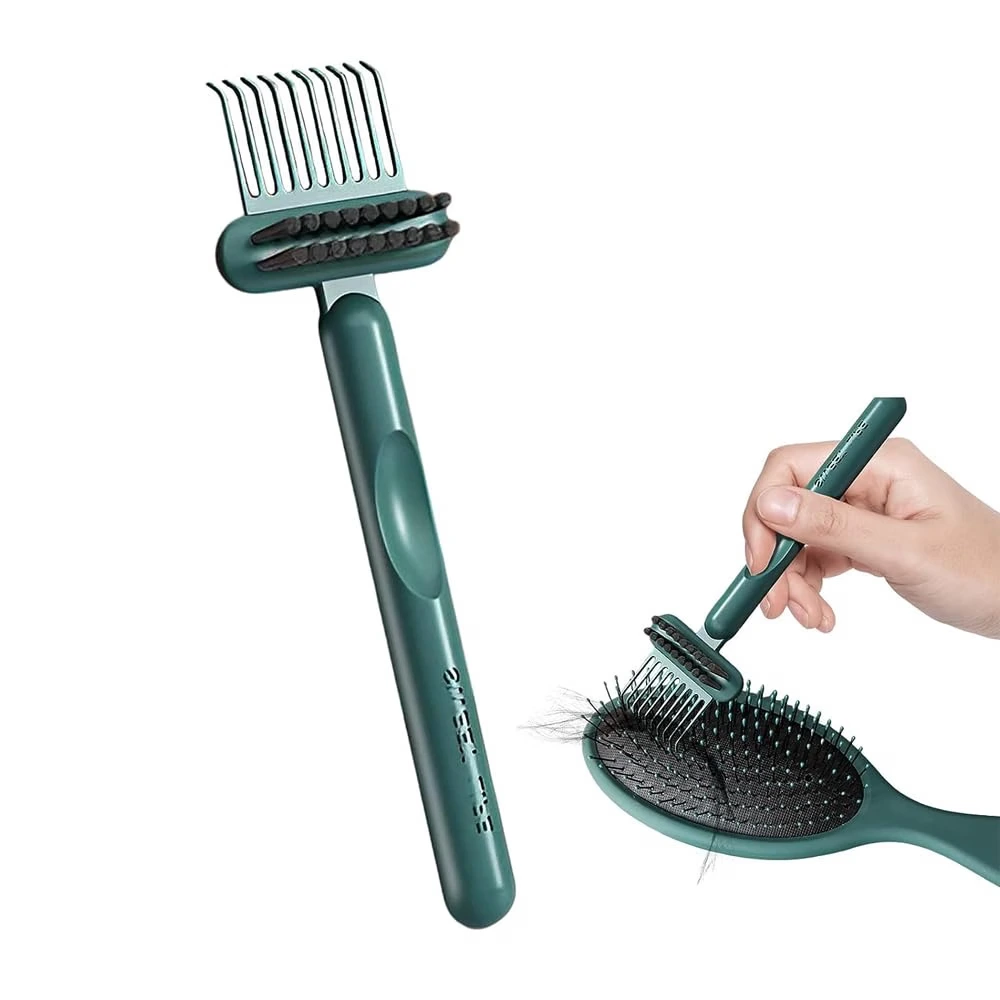
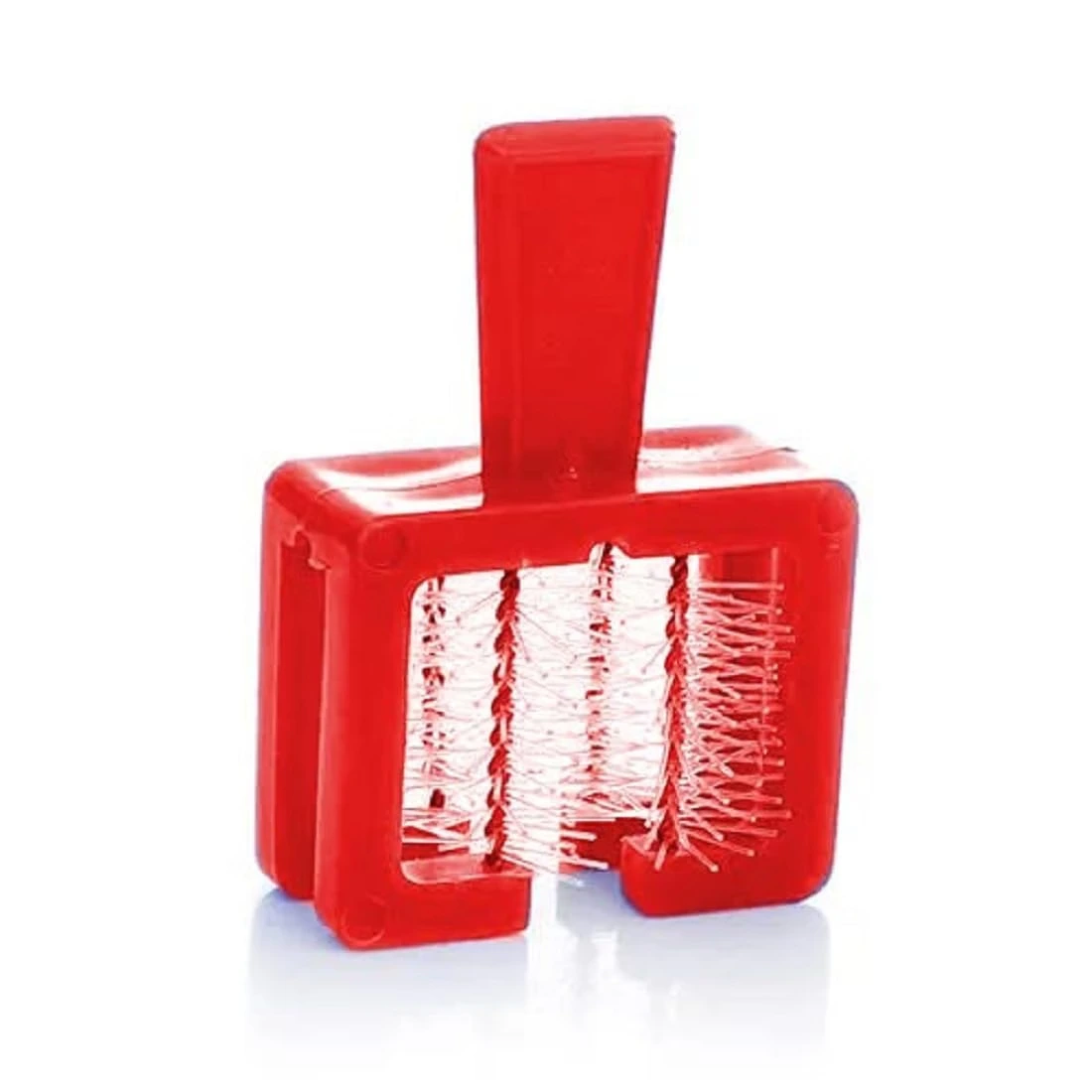
- For mechanical removal of hair, lint, and surface debris: a dedicated dual-sided rake and bristle tool is the fastest, most damage-free option.
- For dissolving stubborn oils, hairspray, and hardened product residue: a concentrated cleaning powder soak is necessary.
- For sensitive scalps or shared brushes: consider a disinfecting step after cleaning.
What to verify before buying: Check whether the tool or solution is safe for your specific brush type. Wooden handles and natural boar bristles cannot withstand prolonged soaking and may be damaged by harsh chemicals.
🛒 Top-rated dual-sided brush cleaner — check current details
Introduction
You wash your hair. You condition it. You apply serums, oils, and styling products. But the tool that touches your clean hair every single day—your hairbrush—is often the dirtiest item on your vanity.
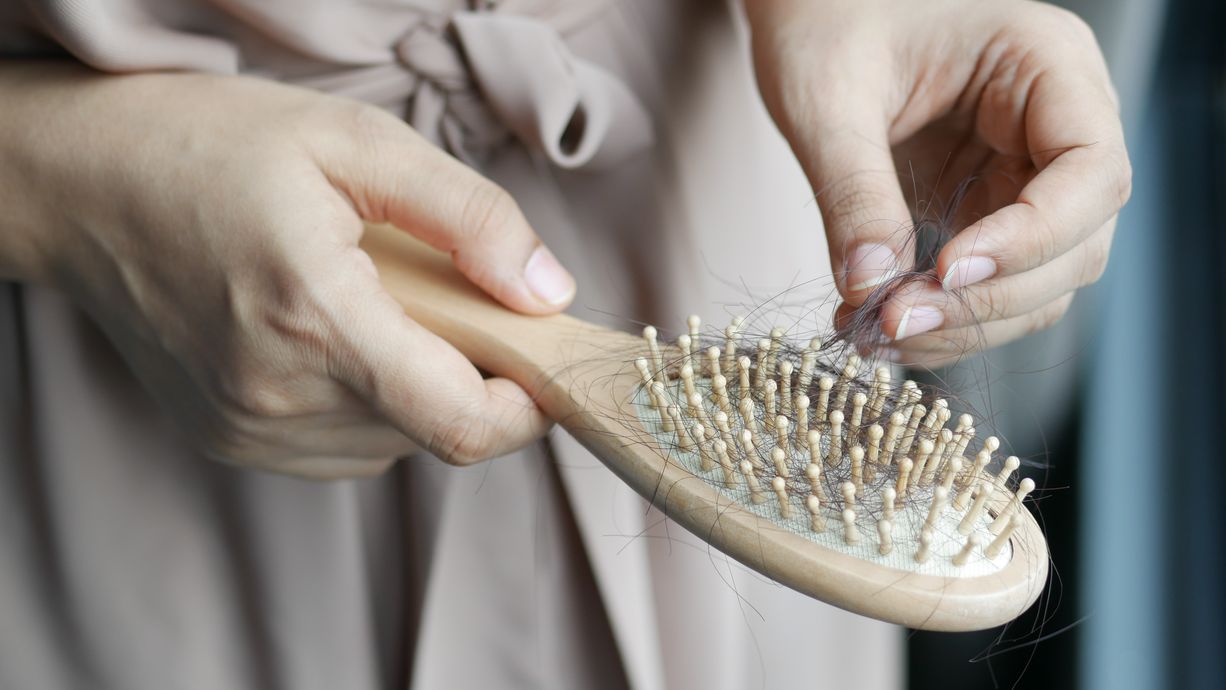
That grey fuzz at the base of the bristles? It is a combination of lint, dust, sebum, dead skin cells, and oxidized styling product. Every time you brush, you are potentially redistributing that grime back onto your freshly cleaned hair and scalp.
This guide cuts through the noise. We evaluated the leading categories of hair brush cleaning products—from mechanical tools to chemical soaks—based on their ability to remove stubborn buildup without damaging your brushes. You will learn which options actually work, which are overkill for home use, and how to choose the right method for your specific brush materials.
What Is Causing the Buildup on Your Brush?
Before buying a product, it helps to understand what you are fighting.
- Sebum and Scalp Oils: Natural oils transfer from your hair to the brush. Over time, these oxidize and become sticky or waxy.
- Styling Product Residue: Hairspray, dry shampoo, pomades, and leave-in conditioners dry and harden on the bristles. Water alone cannot dissolve many of these ingredients.
- Lint and Dust: Environmental debris clings to the oily film on the brush.
- Dead Skin and Microorganisms: The warm, moist environment of a bathroom allows bacteria and fungi to thrive on organic residue.
A simple rinse under the tap will not fix this. You need either mechanical agitation to break the physical mat, a solvent to dissolve the oils, or both.
Comparison Table: Top Hair Brush Cleaning Options
| Product / Category | Best For | Key Mechanism | Brush Compatibility | Practical Considerations |
|---|---|---|---|---|
| Dual-Sided Cleaning Tool (e.g., Olivia Garden, Kitsch) | Daily/weekly maintenance; removing hair mats | Metal rake lifts hair; stiff bristles scrub base | All brush types (use gently on natural bristles) | Inexpensive, durable, no drying time; does not dissolve hardened oil alone |
| Concentrated Cleaning Powder (e.g., Ship-Shape) | Heavy product buildup, salon-level deep clean | Detergent soak dissolves oils, waxes, and hairspray | Synthetic bristles and plastic combs only; avoid wood/boar | Highly effective on stubborn grime; requires soaking and rinsing |
| DIY Clarifying Soak (Shampoo + Baking Soda) | Budget-friendly deep clean; greasy buildup | Alkaline baking soda breaks down oils; shampoo lifts residue | Synthetic and plastic brushes; spot-treat natural bristles | Low cost; requires 15–30 minutes of soak time |
| Disinfecting Solution (e.g., Barbicide) | Sanitization after cleaning; shared brushes | EPA-registered antimicrobial kill | Non-porous plastic and metal tools only | Essential for hygiene if you have scalp issues or share tools; potent chemical |
Note: Prices and exact product availability fluctuate. Verify current details on the retailer page.
The Top Picks for Deep Cleaning
1. Best Mechanical Tool: A Dual-Sided Rake and Bristle Cleaner
Why it wins: Most people skip cleaning their brush not because they lack soap, but because the physical barrier of tangled hair makes the task disgusting and time-consuming. A dedicated tool solves this friction.
The most effective designs feature a metal or stiff plastic rake on one side to hook under matted hair and lift it out in one or two sweeps, and a stiff bristle brush on the other to scrub away lint and surface dust. Products like the Olivia Garden 2-in-1 or the Kitsch cleaner are consistently well-reviewed for their ability to restore brushes to a like-new state without chemicals.
Critical limitation: This tool removes physical debris. It does not dissolve the waxy sebum film that accumulates at the very base of the bristles. You will still need to wash the brush periodically with soap or a cleaning solution after using the tool.
🛒 Check current details for a top-rated dual-sided brush cleaner tool
2. Best for Stubborn Residue: Concentrated Cleaning Powder
Why it wins: If your brush has a visible, hardened coating of hairspray or pomade that resists shampoo, a detergent-based powder is the closest thing to a reset.
Ship-Shape Professional Comb and Brush Cleaner is the benchmark in this category. It is a concentrated powder that you dissolve in warm water. The solution acts as a high-strength detergent, breaking down organic buildup—oils, lotions, gels, and hair color stains—that standard soap cannot touch. Long-term users report that a single container lasts for dozens of cleaning cycles, making the cost per use very low.
Critical limitation: This is a chemical soak. It is not safe for wooden handles or natural boar bristles, which can dry out, warp, or lose their finish. Reserve this for plastic, metal, and synthetic-bristle tools only.
🧼 Compare current pricing and verify compatibility for the deep-cleaning powder soak
3. Best Budget Solution: The Baking Soda and Clarifying Shampoo Soak
Why it wins: You likely already own the ingredients. For synthetic and plastic brushes, a warm water soak with a squeeze of clarifying shampoo and a teaspoon of baking soda is remarkably effective at cutting grease.
Baking soda provides a mild abrasive action and an alkaline environment that helps neutralize acidic oils and odors. A soft toothbrush can then be used to scrub the base of the bristles where the residue concentrates. This method is low-risk for most plastic brushes and costs virtually nothing per use.
Critical limitation: It requires more manual scrubbing than a dedicated powder, and the results are less dramatic on very old, hardened buildup. It is also unsuitable for wooden brushes, which should never be soaked.
How to Deep Clean Your Brush (The Right Way)
Regardless of which product you choose, the sequence matters.
- Dry Removal First: Never wet a brush that is full of hair. The water makes the hair mat tighter and harder to remove. Use your fingers, a comb tail, or a cleaning rake to pull out as much loose hair as possible.
- Match the Method to the Material:
- Plastic/Synthetic: You can safely submerge the bristle head in a soapy or powder solution. Avoid getting water inside a hollow handle or a cushion pad with an air hole.
- Wood/Natural Boar: Do not soak. Dip only the bristles into a soapy solution, scrub gently, and rinse quickly. Wipe the handle immediately and dry bristle-down.
- Scrub the Base: The grime lives at the root. Use a soft toothbrush or the bristle side of a cleaning tool to gently agitate the area where the bristles meet the base.
- Rinse Thoroughly: Soap residue attracts dust. Rinse until the water runs completely clear.
- Dry Bristle-Down: Always dry your brush with the bristles pointing downward on a clean towel. This allows gravity to pull moisture away from the handle and cushion, preventing mold and adhesive breakdown.
Frequently Asked Questions
How often should I deep clean my hairbrush?
A deep clean with soap or a cleaning solution should be done every one to two weeks for regularly used brushes. If you use heavy styling products or have an oily scalp, aim for weekly. Mechanical hair removal should happen after every few uses.
Can I use dish soap to clean my hairbrush?
Yes, a few drops of mild dish soap or clarifying shampoo in warm water is an effective and gentle way to cut through oils on synthetic and plastic brushes. Avoid harsh detergents or bleach, which can damage bristles.
What is the grey fuzz on my hairbrush?
It is a mixture of lint, dust, sebum, microscopic skin cells, and styling product residue. It is not mold, but it is a sign that the brush is transferring grime back onto your hair.
Can I put my hairbrush in the dishwasher?
No. The heat can warp plastic, melt adhesives, and damage natural bristles. Hand washing is always the safest method.
How do I clean a wooden hairbrush?
Never soak it. Wipe the handle with a barely damp cloth. Dip only the bristles into a small bowl of soapy water, scrub gently with a toothbrush, and rinse quickly. Dry immediately with a towel and air dry bristle-down.
Final Verdict
If your primary frustration is the physical mat of hair and lint that makes your brush look and feel disgusting, invest in a dual-sided cleaning tool first. It is the lowest-risk, highest-convenience purchase that will immediately improve your brush hygiene.
If your brush feels waxy or coated even after removing the hair—or if you use heavy styling products regularly—add a concentrated cleaning powder soak to your routine for a monthly deep reset (plastic and synthetic brushes only).
For daily maintenance and the best long-term results, combine both: remove hair weekly with the tool, and deep clean monthly with the appropriate solution for your brush material.
🛒 Ready to deep clean? Compare the two top-rated options.
References
- Journeyman HQ. “7 Best Hair Brush Cleaners For Removing Trapped Debris.” 2026.
- Adore Beauty. “How To Clean Your Hairbrush.” 2026.
- CleaningBro. “How to Clean Hair Brushes With Vinegar and Baking Soda.” 2026.
- Cécred. “When & How to Clean Your Hair Brush or Comb.” 2025.
- Amazon. Ship-Shape Professional Comb and Brush Cleaner Product Page and Customer Reviews.
- Marie Claire UK. “When Did You Last Clean Your Hairbrush?” 2026.
- Polished and Primed. “The Best Way to Clean a Hairbrush.” 2026.
- Good Housekeeping. “Experts Say You Should Be Cleaning Your Hairbrush Regularly.” 2026.
- BUR BUR. “How to Sanitize Hair Brushes Properly at Home.” 2026.
- Amazon. Olivia Garden The Brush Cleaner Product Page and Customer Reviews.
About the Author