Best Products for Dry, Damaged Hair in 2026: 7 Powerful Hair Treatments Worth Buying for Softer, Smoother Hair
Best Products for Dry, Damaged Hair is a search phrase that usually comes with a history: bleach, heat, hard water, or simply years of styling without enough protection. By the time hair feels rough and snaps easily, the outer cuticle has already been compromised. The right product can improve how hair feels and behaves — but only if it matches the type of damage.
This guide compares seven treatment categories and specific options across bond repair, deep conditioning, protein support and sealing oils. It explains what each product is actually doing, who it suits, and what to check before spending money.
Quick verdict: For severe chemical or heat damage, peptide-based bond repair is the strongest category to investigate first. For dryness and roughness without major structural damage, a moisturizing conditioner plus a sealing oil is often enough. Budget matters: an expensive bond treatment is not automatically better than a well-formulated conditioner if the damage is mostly surface dryness.
1. What “Damaged Hair” Actually Means Before You Buy Best Products for Dry, Damaged Hair
Hair is not a living fibre. Once it emerges from the follicle, it cannot repair itself biologically. What repair products do is alter the surface, reduce friction, temporarily fill gaps — or, in some cases, reconnect specific chemical bonds that were broken by bleaching, colouring or heat.
There are three broad types of damage:
- Cuticle damage: The outer layer lifts and roughens. Hair feels dry, tangles easily and loses shine. Moisturizing conditioners and oils can improve this.
- Cortex damage: The inner structure weakens. Hair stretches too much or breaks without stretching. Protein-based treatments and bond builders are more relevant here.
- Porosity damage: The cuticle is compromised enough that water enters and exits too quickly. Hair dries fast, frizzes and feels rough. High-porosity hair often benefits from layering moisture and sealing.
A product that works for surface dryness may do very little for bond-level damage. That is why the best products for dry, damaged hair depend on the type of damage, not just the label on the bottle.
2. How to Choose the Best Products for Dry, Damaged Hair: Damage Type, Porosity and Budget
2.1 Identify your porosity (and treat the float test with caution)
A simple at-home float test is often recommended. Place a clean, product-free strand of hair in a glass of room-temperature water and watch for 3–5 minutes WebMD’s porosity overview.
- Floats: Low porosity. The cuticle is tight. Heavy proteins and oils may sit on the surface.
- Suspends in the middle: Medium porosity. Relatively balanced.
- Sinks quickly: High porosity. The cuticle is compromised. Hair loses moisture fast and needs sealing and protein support.
This test is not a laboratory diagnosis. Dermatologists note that surface tension, product residue and strand thickness can all distort the result, so use it as a rough starting point rather than a definitive classification. For a deeper explanation of porosity types, see our guide to hair porosity and damage.
2.2 Match the product to the damage
- Bleach or colour damage: Look for bond-repair or peptide-based treatments. These are formulated to address broken disulfide bonds or keratin chains.
- Heat-styling damage: Bond builders and protein treatments are relevant, alongside heat protection.
- Dryness and roughness without major breakage: Deep conditioners, moisturizing masks and sealing oils are usually sufficient.
- Fragile hair that breaks when wet: Gentle protein support and reduced mechanical stress matter more than aggressive “repair” treatments.
If you are unsure whether you need bond repair or protein support, our comparison of bond repair vs protein treatments may help.
2.3 Set a realistic budget
A premium bond treatment can cost several times more than a drugstore conditioner. That does not automatically make it better for every reader. If the damage is mostly surface-level, a mid-priced deep conditioner used consistently may deliver a better return than an expensive product used occasionally.
3. Quick Comparison of Best Products for Dry, Damaged Hair
| Product or category | Best for | Key mechanism | Price positioning | Important caveat |
|---|---|---|---|---|
| K18 Leave-In Molecular Repair Mask | Severe bleach, colour or heat damage | Biomimetic peptide intended to reconnect keratin chains | Premium | High cost per use; results are largely brand-reported |
| Olaplex No.3 / No.8 | Mild to moderate bond damage; surface smoothing | Bis-aminopropyl diglycol dimaleate aimed at disulfide bonds | Mid-to-premium | Independent evidence is debated; not a cure for all damage |
| BBLUNT Intense Moisture Conditioner | Dry, frizzy hair on a budget | Jojoba, vitamin E, shea butter, conditioning agents | Budget | Contains silicones; not a bond-level repair treatment |
| Nourishing Hair Cream (7-in-1 style) | Multi-benefit daily nourishing cream for dry hair | Blended conditioning and emollient ingredients (check label) | Budget | Verify ingredients; not a structural repair product |
| L’Oréal Professionnel Absolut Repair Molecular | Damaged hair needing strengthening without heaviness | Bond-repair positioning with a lighter feel | Mid-range | Availability varies; check the exact variant |
| Living Proof Moisture Rescue Mask | Dryness and tangling after summer or hard water | Moisture-focused mask with a smoothing finish | Premium | Not primarily a bond builder |
| Sealing oil (jojoba, squalane or coconut by porosity) | Sealing moisture into high-porosity ends | Occlusive layer reduces water loss | Budget | Can weigh down low-porosity or fine hair |
Prices are indicative and vary by retailer, pack size and promotions. Check the live product page before buying.
4. 7 Best Products for Dry, Damaged Hair Worth Considering
4.1 K18 Leave-In Molecular Repair Hair Mask
Best for: Hair that has been bleached, coloured repeatedly, or exposed to frequent high-heat styling.
K18 is a leave-in treatment built around a biomimetic peptide. The brand’s position is that the peptide penetrates the hair fibre and helps restore broken keratin chains. A brand-reported study on hair bleached eight times found up to 82% restoration after two uses as listed on the Sephora product page.
The practical appeal is convenience: it is applied to towel-dried hair and left in. No shower wait, no rinse. For readers dealing with serious chemical damage, it is one of the most discussed options in the bond-repair category.
Caveats: It is expensive per use. The evidence is largely brand-generated, and independent replication is limited. It is not a substitute for stopping the damaging practice that caused the problem.
4.2 Olaplex No.3 Hair Perfector or No.8 Bond Intense Moisture Mask
Best for: Mild-to-moderate damage, especially readers who want a more accessible bond-repair option.
Olaplex’s patented ingredient, bis-aminopropyl diglycol dimaleate, is designed to target disulfide bonds. No.3 is a pre-shampoo treatment; No.8 is a moisturizing mask with bond-repair positioning. Independent analysis has described the mechanism as plausible and supported by some experimental work, while noting that the real-world difference between bond builders is not always dramatic Lab Muffin’s analysis of the Cosmetics study.
Olaplex is widely available, has a large user base, and is often more accessible than premium peptide treatments.
Caveats: Some readers report that Olaplex alone is not enough for severe damage. It is not a replacement for protein or moisture in every routine.
4.3 BBLUNT Intense Moisture Conditioner — A Budget Best Product for Dry, Damaged Hair
Best for: Dry, frizzy, rough-feeling hair when the budget is limited and the goal is softness and manageability.
This is a budget-friendly conditioner formulated with jojoba oil, vitamin E, shea butter and standard conditioning agents. It is designed to smooth the cuticle, reduce frizz and make hair easier to detangle. It is widely available in India and frequently discounted.
For readers whose main complaint is dryness and roughness rather than breakage at the mid-shaft, a well-formulated moisturizing conditioner used consistently can make a visible difference.
Caveats: It contains silicones and is not a bond-repair treatment. It will improve surface feel, but it will not rebuild broken disulfide bonds. It is also not the right choice for an oily scalp.
Editor’s Pick · Budget-Friendly
BBLUNT Intense Moisture Conditioner
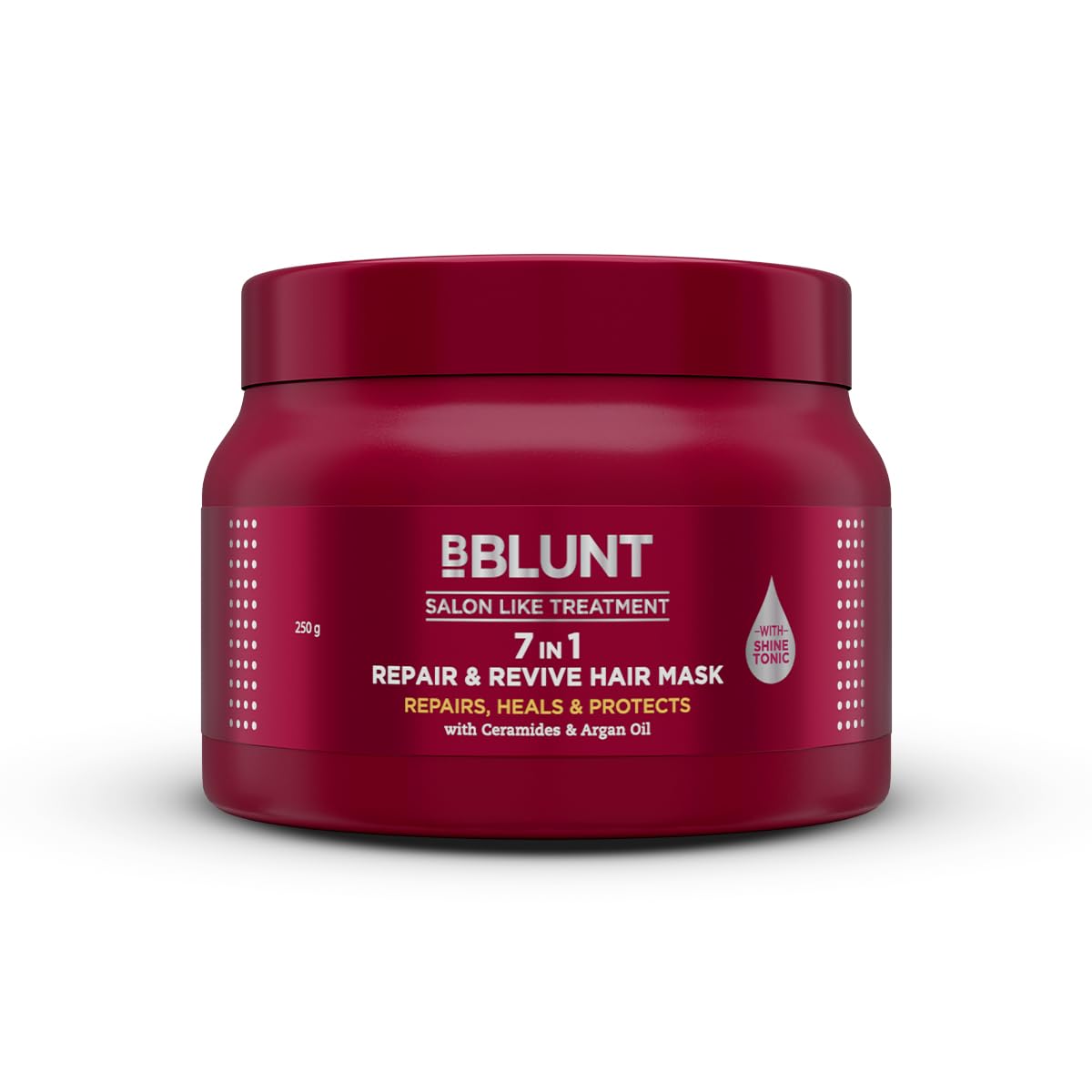
A budget-friendly moisturizing conditioner for dry, frizzy hair.
- What it is: A jojoba and vitamin E conditioner designed to smooth and hydrate dry, rough hair.
- Who it suits: Readers who want softer, more manageable hair without paying for a premium bond treatment.
- What to know: A surface-conditioning product, not a structural repair treatment.
🛒 Check Current Price on Amazon →
Affiliate link. Qualifying purchases may earn a commission. Confirm price and pack size on the product page.
4.4 Nourishing Hair Cream (7-in-1 Style) — A Budget Multi-Benefit Option
Best for: Readers who want a single leave-in cream that claims to smooth, condition and add shine without a multi-step routine.
Multi-benefit hair creams are common in the Indian market. They typically combine emollients, conditioning agents and sometimes light silicones to improve surface smoothness and reduce frizz. They are not bond builders and they do not repair broken disulfide bonds. What they can do is improve the feel and appearance of dry hair between washes.
Because “7-in-1” is a marketing description rather than a regulated category, the actual benefits depend entirely on the ingredient list. Check the label for the conditioning agents and emollients, and do not assume a multi-benefit claim means clinical repair.
Caveats: Formulations vary widely. Some contain heavy silicones that can build up on low-porosity hair. Patch-test first. This is a surface-nourishing product, not a structural repair treatment.
Multi-Benefit Nourishing Pick
Nourishing Hair Cream (7-in-1 Style)
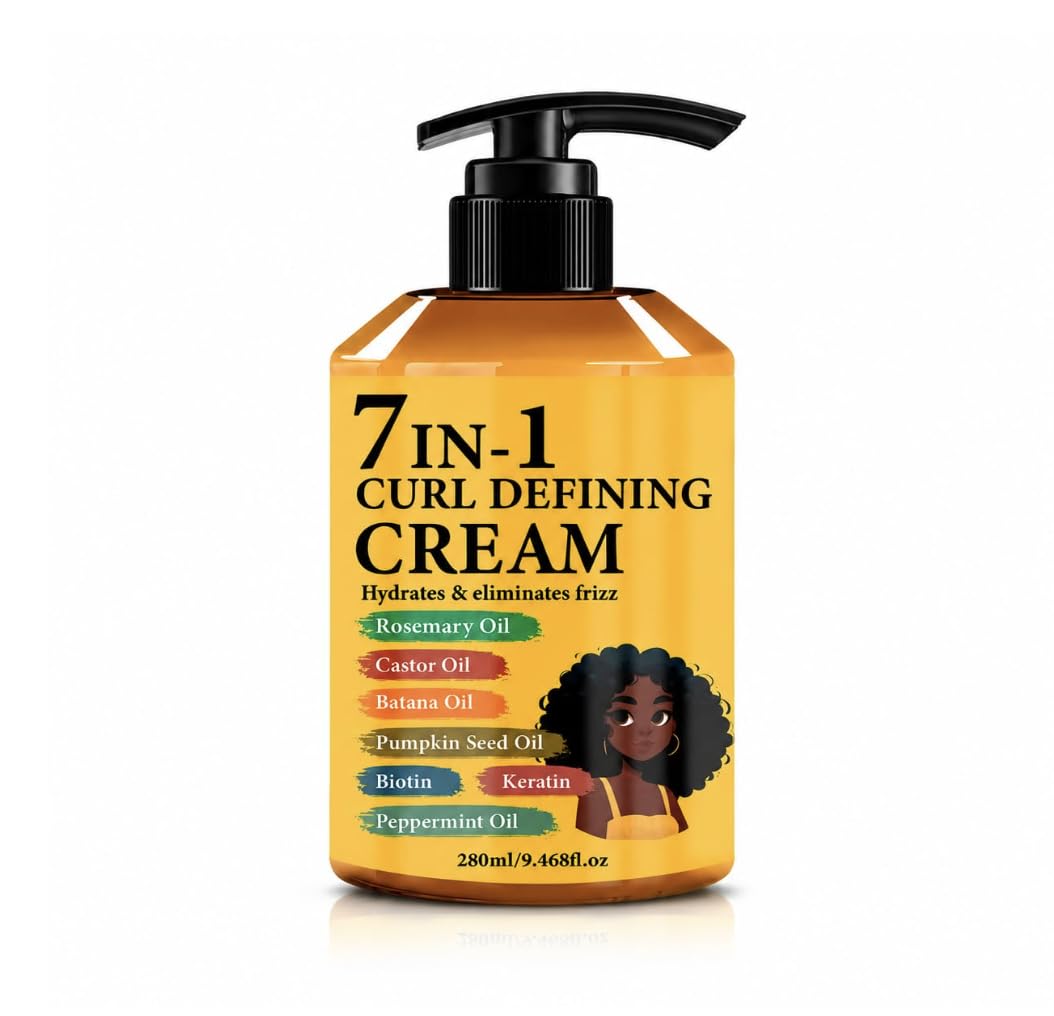
A multi-benefit nourishing cream for dry, rough hair.
- What it is: A leave-in or wash-out cream marketed for multiple hair benefits — check the exact label.
- Who it suits: Readers who want a simple, budget-friendly smoothing and conditioning step.
- What to know: Not a bond-repair or protein treatment. Verify ingredients and patch-test before regular use.
🛒 View Product Details on Amazon →
Affiliate link. The exact product name, ingredients and current price should be confirmed before purchase.
4.5 L’Oréal Professionnel Absolut Repair Molecular Strengthening Mask
Best for: Damaged hair that needs strengthening without a heavy, coated feel.
This mask is positioned for colour-treated, lightened and naturally damaged hair. It is designed to improve strength, elasticity and smoothness. Reviewers often describe it as lighter than many rich repair masks, which makes it a reasonable option for readers who dislike heavy silicones.
It sits in the mid-range price band and is more accessible than ultra-premium peptide treatments.
Caveats: The exact formulation varies by region. Check the ingredient list on the pack you receive. It is not a substitute for a dedicated bond builder in severe damage.
4.6 Living Proof Moisture Rescue Mask
Best for: Dryness, tangling and roughness after sun, salt water, chlorine or hard water.
This is a moisture-focused mask rather than a bond builder. It is designed to improve detangling and leave hair feeling softer and more supple. For readers whose main problem is dehydration and friction rather than broken bonds, a dedicated moisture mask can be more appropriate than an expensive repair treatment.
Caveats: It will not rebuild disulfide bonds. It is a premium-priced moisture product, so budget-conscious readers may find comparable hydration from a cheaper deep conditioner.
4.7 A Simple Sealing Oil (Jojoba, Squalane or Coconut Depending on Porosity)
Best for: Sealing moisture into high-porosity ends and reducing friction.
This is less a single product recommendation and more a category. High-porosity hair loses water quickly. A light layer of a non-fragrant oil on damp ends can slow water loss and improve slip. Jojoba and squalane are lighter options; coconut oil can work for some high-porosity hair but may be too heavy or comedogenic for some scalps.
Caveats: Oils do not repair bonds or replace protein. They are occlusives, not moisturizers in the humectant sense. Applying too much can attract dust and weigh hair down.
5. Ingredient and Evidence Check for Best Products for Dry, Damaged Hair
5.1 Bond builders
The two most discussed bond-repair technologies are:
- Bis-aminopropyl diglycol dimaleate (Olaplex): Designed to act on disulfide bonds. Independent analysis has described the mechanism as plausible and supported by some experimental work, while noting that real-world results vary.
- Biomimetic peptides (K18): Designed to mimic keratin sequences and support reconnection of broken chains. Brand-reported data is promising, but independent long-term comparative studies are limited.
Neither category is a miracle cure. They are tools that can improve hair’s mechanical behaviour when used appropriately and when the damaging practice is reduced. For a broader look at the science, see this Wiley study on keratin-rebonding materials.
5.2 Proteins and amino acids
Hydrolyzed proteins and amino acids can temporarily fill gaps in the cuticle and improve surface smoothness. They are not equivalent to bond builders. Overuse of protein can make some hair feel stiff or brittle, especially low-porosity hair. Dermatologists generally caution against overdoing protein treatments.
5.3 Moisturizers and occlusives
Humectants attract water; occlusives slow water loss. A conditioner with glycerin and fatty alcohols can improve hydration and softness. An oil or silicone can seal the surface. These are valid approaches for dryness, but they do not address structural bond damage.
5.4 Multi-benefit creams and herbal formulations
Multi-benefit creams typically combine conditioning agents, emollients and sometimes herbal extracts. Their benefit is primarily surface-level: improved smoothness, reduced friction and a temporary shine boost. They are not equivalent to bond-repair chemistry. If a cream contains herbal ingredients such as bhringraj, the evidence base is formulation-specific and should not be generalised to every product in the category.
6. Pros, Cons and Suitability of Best Products for Dry, Damaged Hair
Strongest supported advantages of this category
- Bond-repair treatments offer a mechanism that goes beyond surface coating, and some have clinical or brand-reported data showing measurable improvements in strength or breakage.
- Moisturizing conditioners and masks are inexpensive, widely available and effective for surface dryness and manageability.
- Nourishing creams and oils are low-cost and can reduce friction during washing and styling.
Important limitations
- No topical product can permanently “cure” severely damaged hair. Hair is not living tissue. The only lasting solution for badly compromised lengths is often trimming, as dermatologists frequently emphasise in expert guidance on heat damage.
- Premium bond treatments are expensive, and the evidence is not always independent.
- Multi-benefit creams and herbal formulations have limited rigorous clinical evidence for structural repair.
- Overuse of protein or heavy oils and creams can create new problems, especially on low-porosity hair.
Who may reasonably consider each option
| Reader profile | Reasonable starting point |
|---|---|
| Severe bleach or heat damage | K18 or Olaplex, alongside reduced heat and chemical exposure |
| Dry, rough hair with limited breakage | BBLUNT Intense Moisture Conditioner or Living Proof Moisture Rescue Mask |
| High-porosity hair that loses moisture quickly | Moisture mask plus a light sealing oil |
| Budget-conscious reader who wants a simple routine | BBLUNT conditioner plus a nourishing hair cream |
| Reader who prefers a single multi-benefit product | Nourishing hair cream (7-in-1 style) — verify ingredients first |
Who may prefer a different option
- Very fine, low-porosity hair: Heavy oils and rich creams may sit on the surface. Lighter conditioners and occasional protein-free moisture treatments may be better.
- Scalp sensitivity or seborrheic dermatitis: Oil-heavy or cream-heavy routines may worsen scalp symptoms. A dermatologist can advise on scalp-safe options. See our scalp health guide for more.
- Persistent shedding or patches of hair loss: This is not a cosmetic damage problem. A medical evaluation is appropriate. If you are exploring restorative options, our guide to hair transplant candidacy and PRP for hair loss may provide useful context.
7. Frequently Asked Questions About Best Products for Dry, Damaged Hair
7.1 Do bond repair products actually work?
Bond repair products target specific chemical bonds that are broken by bleaching, colouring and heat. The mechanism is plausible, and some products have supporting data. However, results vary, independent evidence is not equally strong for every brand, and no product can permanently restore severely damaged hair. They are best used as part of a broader damage-reduction routine.
7.2 K18 or Olaplex — which is better for dry, damaged hair?
K18 is generally positioned for more severe damage and uses a peptide-based approach. Olaplex is more accessible and has a longer track record with disulfide-bond chemistry. Readers with extensive bleach or heat damage may prefer to investigate K18 first; readers with milder damage or a tighter budget may find Olaplex more practical. Neither is universally “better.”
7.3 Can a conditioner or hair cream repair damaged hair?
A conditioner or nourishing cream can improve surface smoothness, reduce friction and temporarily fill gaps in the cuticle. It cannot rebuild broken disulfide bonds or permanently restore the cortex. These are maintenance and manageability products, not structural repair treatments.
7.4 How often should I use a protein treatment?
There is no universal schedule. Frequency depends on porosity, damage severity and the protein concentration. Overuse can make hair stiff or brittle. Start with a single use every one to two weeks and adjust based on how hair feels. Dermatologists generally advise against excessive protein loading.
7.5 Are multi-benefit or Ayurvedic hair creams effective for damaged hair?
Multi-benefit and Ayurvedic creams can improve manageability and reduce friction. Some preliminary evidence exists for specific herbal formulations, but it is not equivalent to the evidence base for bond-repair chemistry. They should not be presented as a cure for structural damage or medical hair loss.
7.6 What is the best budget option for dry, damaged hair in India?
A budget-friendly moisturizing conditioner such as BBLUNT Intense Moisture Conditioner, used consistently, plus a nourishing hair cream or a simple pre-wash oil, can improve softness and manageability at a low cost. If breakage is significant, save for a bond-repair treatment rather than spending the same amount on multiple ineffective products.
7.7 When should I see a dermatologist instead of buying another product?
If you have persistent shedding for several months, visible widening of the part, scalp pain, inflammation, or breakage that does not improve despite gentle hair care, the problem may not be cosmetic. A dermatologist can distinguish breakage from shedding and assess whether a medical cause is contributing.
8. Final Verdict: Which Best Products for Dry, Damaged Hair Are Worth Buying?
There is no single “best” product for every reader with dry, damaged hair. The evidence supports a category-first approach.
- If the damage is severe and chemically driven, a peptide-based bond treatment such as K18 is the most logical premium option to investigate. Its principal advantage is a mechanism aimed at keratin-chain reconnection; its main limitation is cost and the limited independent evidence base.
- If the damage is mild-to-moderate or the budget is tighter, Olaplex or a well-formulated moisturizing mask is a more practical starting point. A budget conditioner like BBLUNT can deliver meaningful surface improvement without pretending to rebuild bonds.
- If the goal is a simple, low-cost smoothing routine, a multi-benefit nourishing hair cream (7-in-1 style) is a reasonable supportive option, provided expectations are realistic and the ingredient list is checked.
Before buying, check the live price, pack size, ingredient list and return policy. Confirm that the product is being sold by an authorised seller. And reduce the practices that caused the damage in the first place: heat, repeated bleaching and rough handling will undermine any treatment.
Ready to start your repair routine?
Two accessible options from this guide — check live pricing and pack details below.
🛒 BBLUNT Conditioner — Check Price →
🛒 Nourishing Hair Cream — View Details →
Affiliate links. Qualifying purchases may earn a commission at no extra cost to you.
Medical information disclaimer: This article is for general educational purposes and does not constitute medical advice. Hair loss, scalp inflammation and persistent breakage can have medical causes. Consult a qualified dermatologist or healthcare professional for individual assessment. Do not stop or change a prescribed treatment without professional guidance.
Editorial note: Prices, availability and formulations change. Details in this article should be verified on the official product page before purchase. This article does not claim independent laboratory testing of any product.
About the Author