Written by: IntelliNewz Editorial Team |
Medically reviewed by: Dr. Mohammed Abdul Azeem Siddiqui, MBBS, MTech — Founder at Cosmo Hospital, registered with the Government of Telangana Medical and Healthcare Establishments — with more than 30 years of clinical practice.
Quick verdict: Scalp Massage for Hair Growth is biologically plausible and low-risk, but the human evidence is modest. The most-cited study found about 8% thicker hair strands in nine men after 24 weeks, with no increase in hair count and no control group. A 2019 survey of 340 people reported high rates of self-perceived stabilization, but surveys cannot prove cause and effect. The best techniques are gentle, consistent, and short; the best tools are the ones you will actually use. Buy a massager for convenience, not because it is a proven cure.
Affiliate disclosure: This article contains affiliate links. If you buy through them, IntelliNewz may earn a commission at no extra cost to you. We have not independently tested the devices featured; confirm current features, price, and return policy on the retailer’s page. Our conclusions are based on the published evidence summarized below and are not influenced by commissions.
Scalp Massage for Hair Growth is one of the most searched hair-care routines online — and one of the most oversold. The appeal is obvious: it is free or cheap, feels pleasant, and has a plausible biological rationale. The risk is that enthusiasm outruns the evidence.
This guide separates what researchers have measured from what marketers infer. It covers the strongest human studies, the mechanotransduction hypothesis, the best techniques, a comparison of manual and electric tools, product picks worth considering, and red flags that mean you should see a clinician instead.
Prefer evidence-based health journalism?
Q&A snippet: Does Scalp Massage for Hair Growth actually work?
Short answer: Scalp Massage for Hair Growth has plausible biological support but weak clinical evidence. The most-cited study found about 8% thicker hair strands in nine men after 24 weeks, with no increase in hair count and no control group. A later survey reported high rates of self-perceived stabilization, but it relied on self-reports. Massage is a reasonable low-risk adjunct, not a proven replacement for minoxidil or finasteride.
🎓 Open Google Scholar Sources on Scalp Massage for Hair Growth
The short answer: how strong is the evidence for Scalp Massage for Hair Growth?
The human evidence for Scalp Massage for Hair Growth rests on two papers that are frequently cited but rarely described accurately.
The 2016 hair-thickness study
A Japanese research team recruited nine healthy men aged 40–66. Each used a standardized scalp-massage device for four minutes a day, once daily, for 24 weeks. Hair thickness increased from 0.085 ± 0.003 mm to 0.092 ± 0.001 mm — roughly an 8% relative increase. There was no significant increase in total hair count. The study had no control group, and the sample was tiny.
The same paper included laboratory work: when human dermal papilla cells were stretched for 72 hours, 2,655 genes were upregulated and 2,823 were downregulated. Stretching increased hair-cycle-related genes such as NOGGIN, BMP4, SMAD4, and IL6ST, and decreased the hair-loss-associated gene IL6. This is genuine mechanistic evidence, but it is not proof that massaging your scalp reverses pattern baldness.
The 2019 survey
A second paper surveyed 340 people with androgenetic alopecia who had tried a standardized massage routine. Of these, 68.9% reported hair-loss stabilization or regrowth. The median daily effort was 11–20 minutes, mean adherence was 7.4 months, and perceived changes occurred after an average of 36.3 hours of massage effort.
This was a retrospective online survey of self-selected respondents, not a controlled trial. People who respond to a survey about a practice they chose are more likely to believe it helped. There was no objective hair measurement and no comparison group. It is suggestive, not definitive.
What the evidence does and does not show
| Question | What the evidence suggests |
|---|---|
| Can Scalp Massage for Hair Growth increase hair thickness? | One small uncontrolled study found an ~8% increase in strand thickness. |
| Can it increase hair count? | The same study found no significant increase in hair count. |
| Can it stabilize pattern hair loss? | A self-report survey found high rates of perceived stabilization, but the design cannot prove causation. |
| Is there a large randomized controlled trial? | No. |
| Is the mechanism plausible? | Yes — dermal papilla cells are mechanosensitive, and stretching changes hair-cycle gene expression. |
“Your hair grows at its own speed. Your consistency is the only variable you control.”
Why Scalp Massage for Hair Growth might work: the mechanotransduction hypothesis
The most interesting scientific case for Scalp Massage for Hair Growth is not “it increases blood flow.” It is that hair follicles are mechanically sensitive.
The dermal papilla — a cluster of cells at the base of the follicle — acts as the follicle’s signalling hub. Laboratory studies show that stretching these cells changes which genes they express. A 2025 review in the Journal of Tissue Engineering reported that skin stretching can activate hair-follicle stem cells and promote hair growth under specific conditions and durations, involving WNT and BMP signalling and the release of growth factors such as HGF and IGF-1.
A 2026 narrative review summarized the mechanotransduction rationale more directly: direct stretch shifts hair-cycle gene expression and engages the Wnt/β-catenin, YAP/TAZ, and Piezo1 pathways. The same review concluded that the mechanism is “biologically credible” but that clinical evidence for manual massage is “immature” and that motorized devices lack independent, device-specific efficacy trials.
Blood flow: helpful, but oversold
Massage temporarily increases local circulation. That sounds impressive until you ask what circulation actually does in pattern hair loss. Balding scalp tissue is under-perfused, but vascular regression appears to occur largely downstream of androgen-driven follicle miniaturization. Increasing blood flow does not change how a follicle responds to DHT.
The DHT problem massage cannot solve
Androgenetic alopecia — male and female pattern hair loss — is driven primarily by follicle sensitivity to dihydrotestosterone (DHT). Scalp Massage for Hair Growth does not block DHT, reduce 5-alpha-reductase activity, or change androgen-receptor sensitivity. Even in the best-case scenario, massage would be working through a parallel pathway, not addressing the main engine of pattern hair loss.
That does not make it useless. It makes it an adjunct.
Scalp Massage for Hair Growth vs. proven treatments
| Treatment | Evidence strength | What it is supported to do | Key limitations |
|---|---|---|---|
| Scalp Massage for Hair Growth | Low: one 9-man uncontrolled study plus one self-report survey | May modestly increase hair-strand thickness; may support perceived stabilization | No large RCT; no proven increase in hair count; cannot address DHT |
| Topical minoxidil | High: multiple randomized controlled trials | Increases hair count and slows loss in androgenetic alopecia and female pattern hair loss | Scalp irritation, temporary shedding, indefinite use required |
| Oral finasteride | High: multiple randomized controlled trials | Slows loss and can regrow hair in men with androgenetic alopecia | Sexual side effects in a small percentage; not for women who may become pregnant |
| Rosemary oil | Moderate-low: one randomized trial vs. 2% minoxidil | Hair-count increases comparable to 2% minoxidil at 6 months in one trial | Single trial; not equivalent to 5% minoxidil or finasteride; irritation possible |
Minoxidil and finasteride are established first-line treatments with randomized trial support. Koyama’s paper itself notes that finasteride is effective at preventing progression and that minoxidil enhances hair growth in both male and female pattern hair loss. Scalp Massage for Hair Growth does not have that level of evidence.
The honest position is not “massage instead.” It is “massage alongside, if you want a low-risk habit.”
Best techniques: a 4-minute Scalp Massage for Hair Growth routine
The published protocol used a standardized device for four minutes daily. You do not need a device to start, but consistency matters more than force.
The 4-minute routine
- Start at the hairline. Place your fingertips or a soft silicone brush at the front of the scalp.
- Use small circles. Move in gentle, overlapping circles across the scalp — temples, crown, sides, and back.
- Keep pressure comfortable. It should feel like a firm shampoo, not scratching. If it hurts, you are pressing too hard.
- Cover the whole scalp. Spend roughly one minute on each quadrant.
- Stop at four minutes. More is not automatically better. The study protocol used four minutes daily.
- Repeat daily for at least 24 weeks. Hair grows slowly; visible changes before three months are unlikely.
Should you massage wet or dry?
Either is fine. A silicone shampoo brush is easiest to use in the shower with conditioner for slip. Dry massage is convenient and avoids extra washing. Choose the version you will actually repeat.
Can Scalp Massage for Hair Growth cause shedding?
Temporary shedding in the first few weeks is possible. Massage can dislodge hairs that were already in the telogen (shedding) phase. This is not true hair loss, and those hairs should regrow. If shedding is heavy, painful, or persists beyond a few weeks, stop and see a clinician.
Safety basics
- Do not massage over cuts, sunburn, active dermatitis, or infected scalp skin.
- Avoid essential oils directly on the scalp; dilute them in a carrier oil and patch-test first.
- Do not use massage as a reason to delay evaluation of sudden or patchy hair loss.
- If you use minoxidil, wait for it to dry before massaging to avoid excessive spread to the face.
“Four minutes a day is not a miracle. It is a vote for the version of you who keeps showing up.”
Best tools: fingers vs. silicone brush vs. electric massager
| Option | Advantages | Limitations |
|---|---|---|
| Fingers | Free, best pressure control, no setup | Hard to sustain for four minutes; less consistent motion |
| Manual silicone shampoo brush | Cheap, easy to clean, good in the shower, gentle | Less stimulation than an electric device; can tangle long hair if used roughly |
| Electric handheld massager | Consistent motion, convenient, may feel more relaxing | No independent device-specific trials; features like red light are not proven for hair growth; higher cost |
Device marketing currently outpaces the data. A 2026 narrative review noted that motorized devices are “mechanistically plausible” but lack independent, device-specific efficacy trials. That does not mean they are useless. It means you should buy one for convenience and comfort, not because the manufacturer has proven regrowth.
Best products worth buying: scalp massager picks for Scalp Massage for Hair Growth
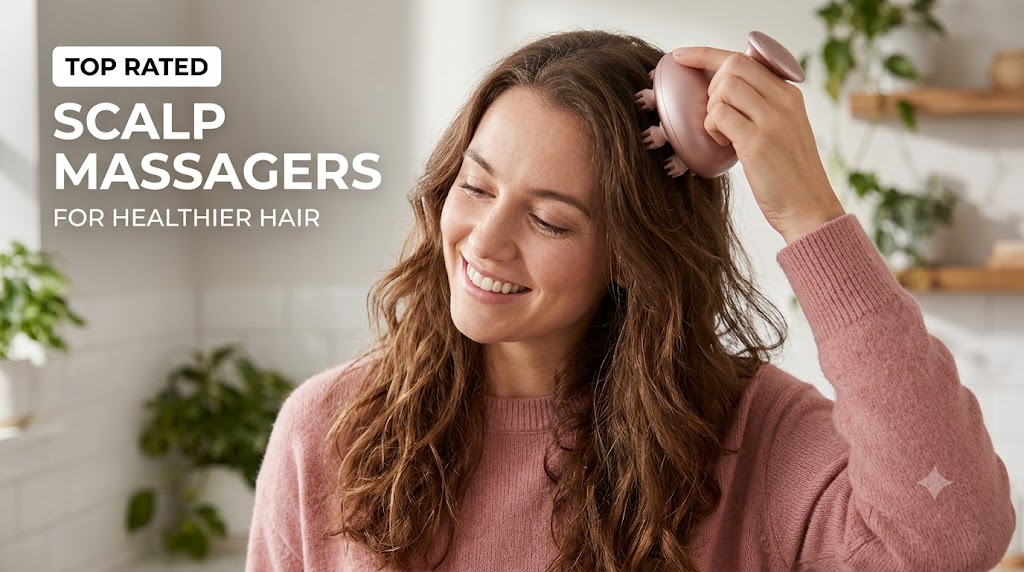
The best scalp massager is the one you will actually use consistently. These options make a daily Scalp Massage for Hair Growth routine easier — from hands-free electric devices to simple silicone brushes. None is a proven hair-growth treatment on its own. All are practical tools for delivering the gentle mechanical stimulation discussed above.
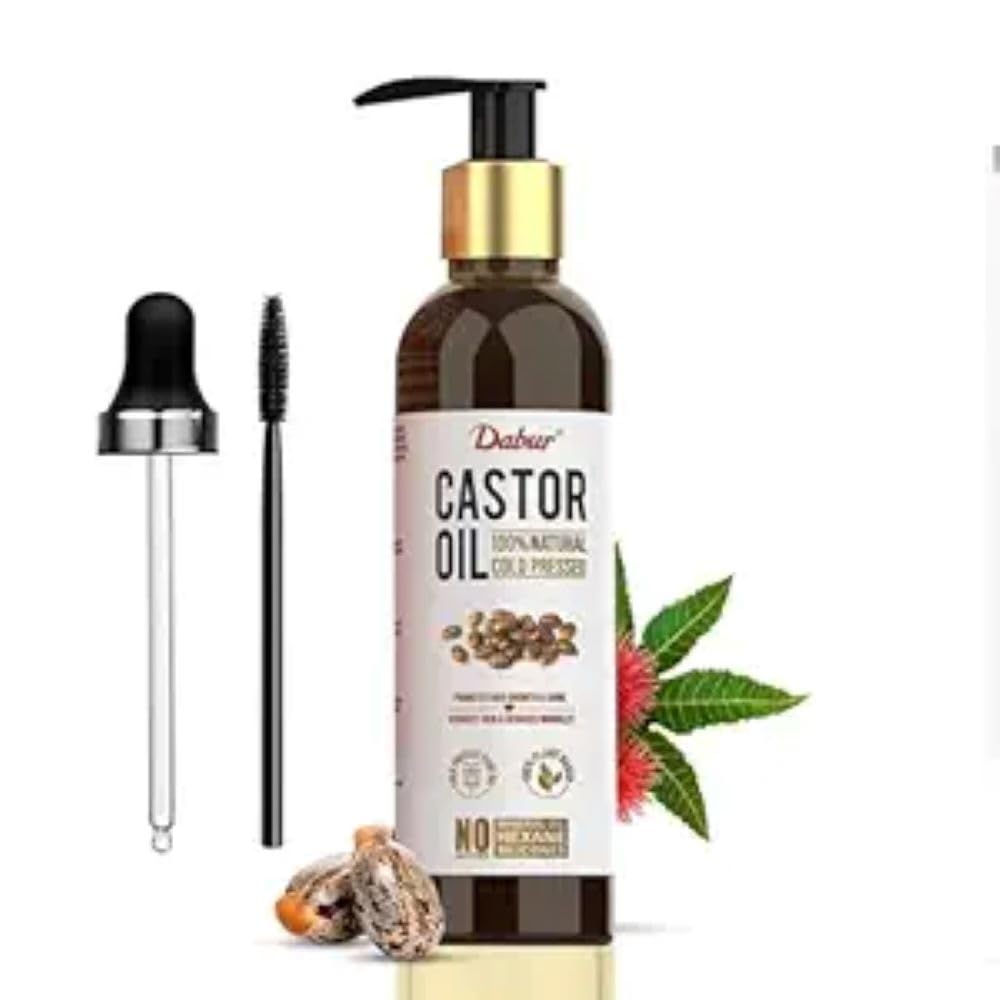
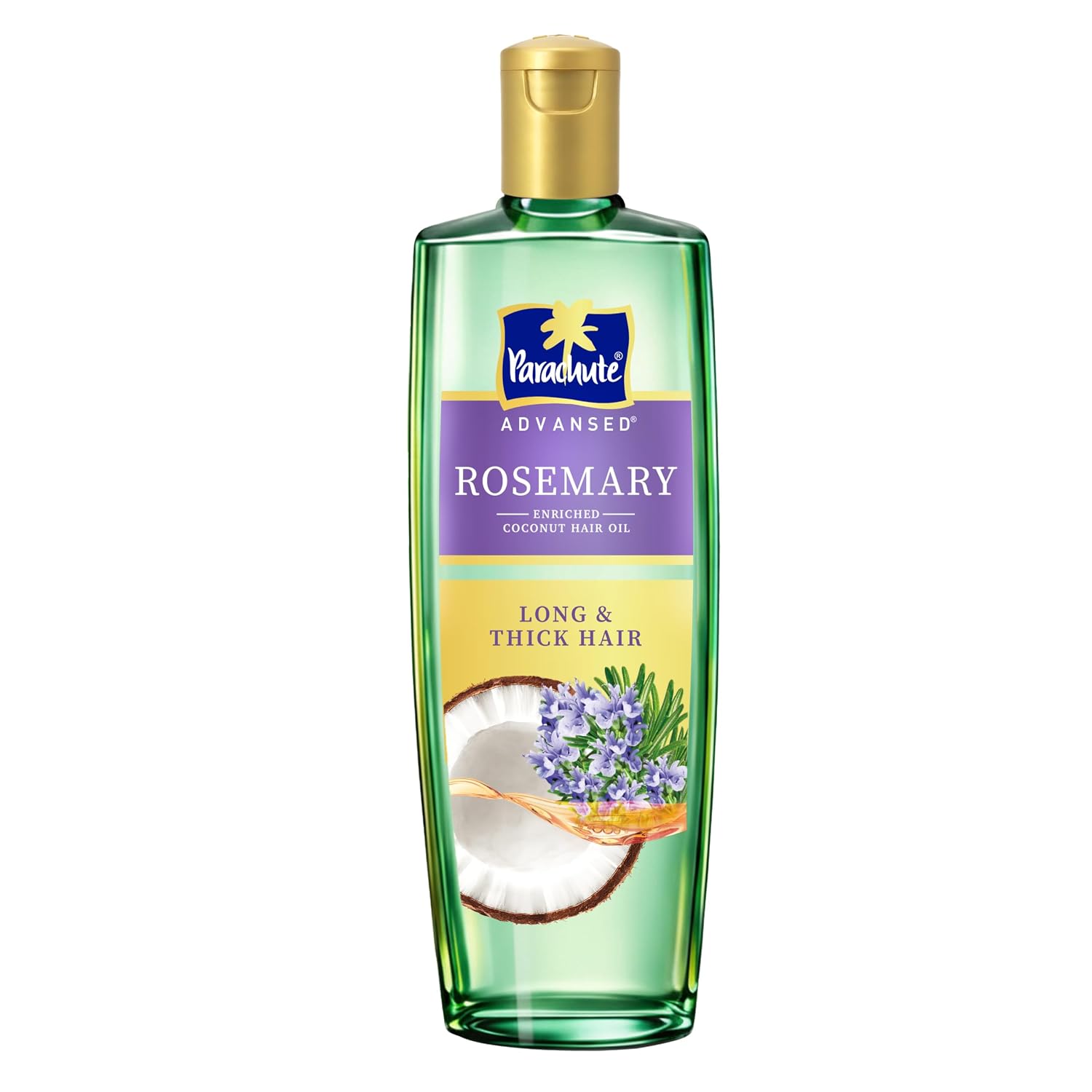
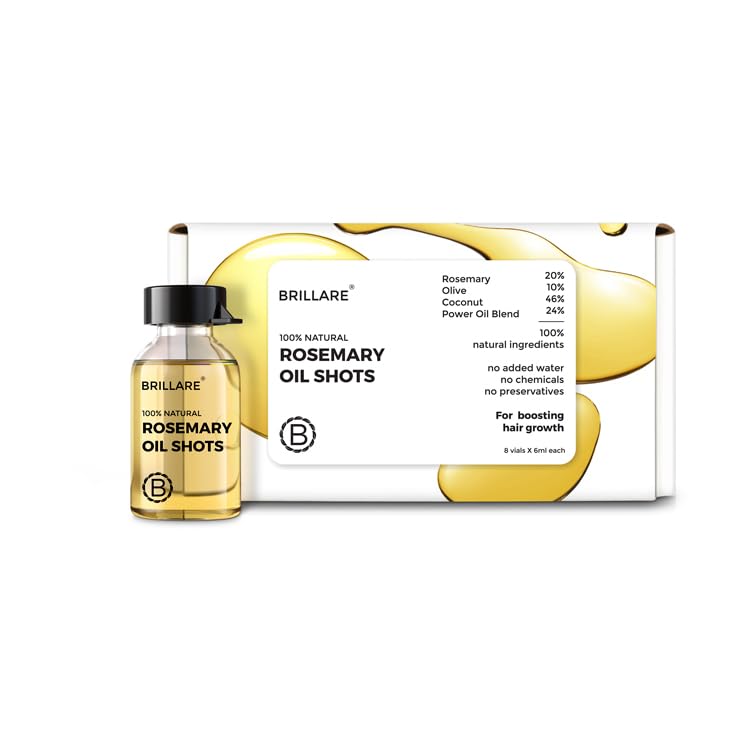
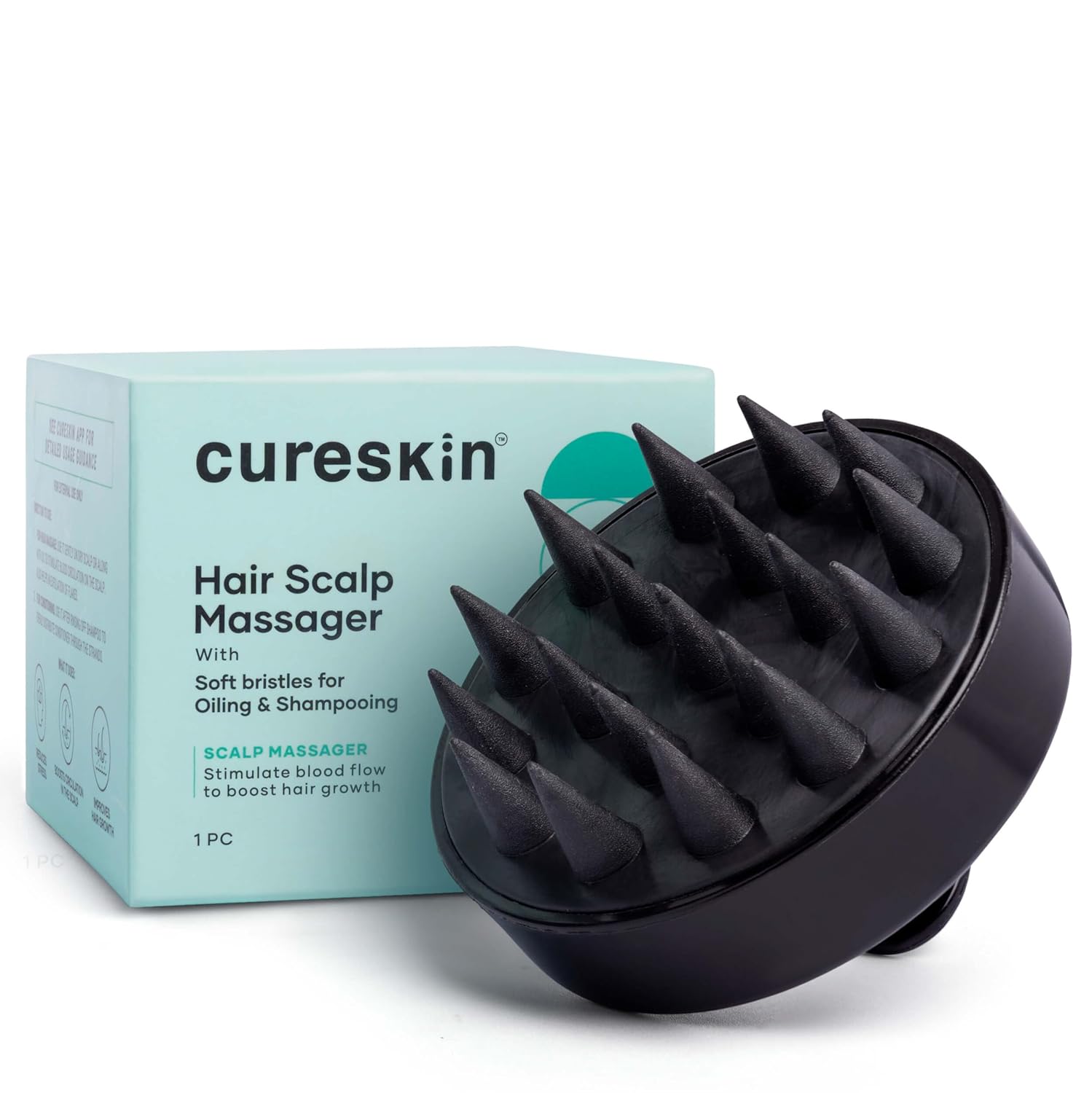
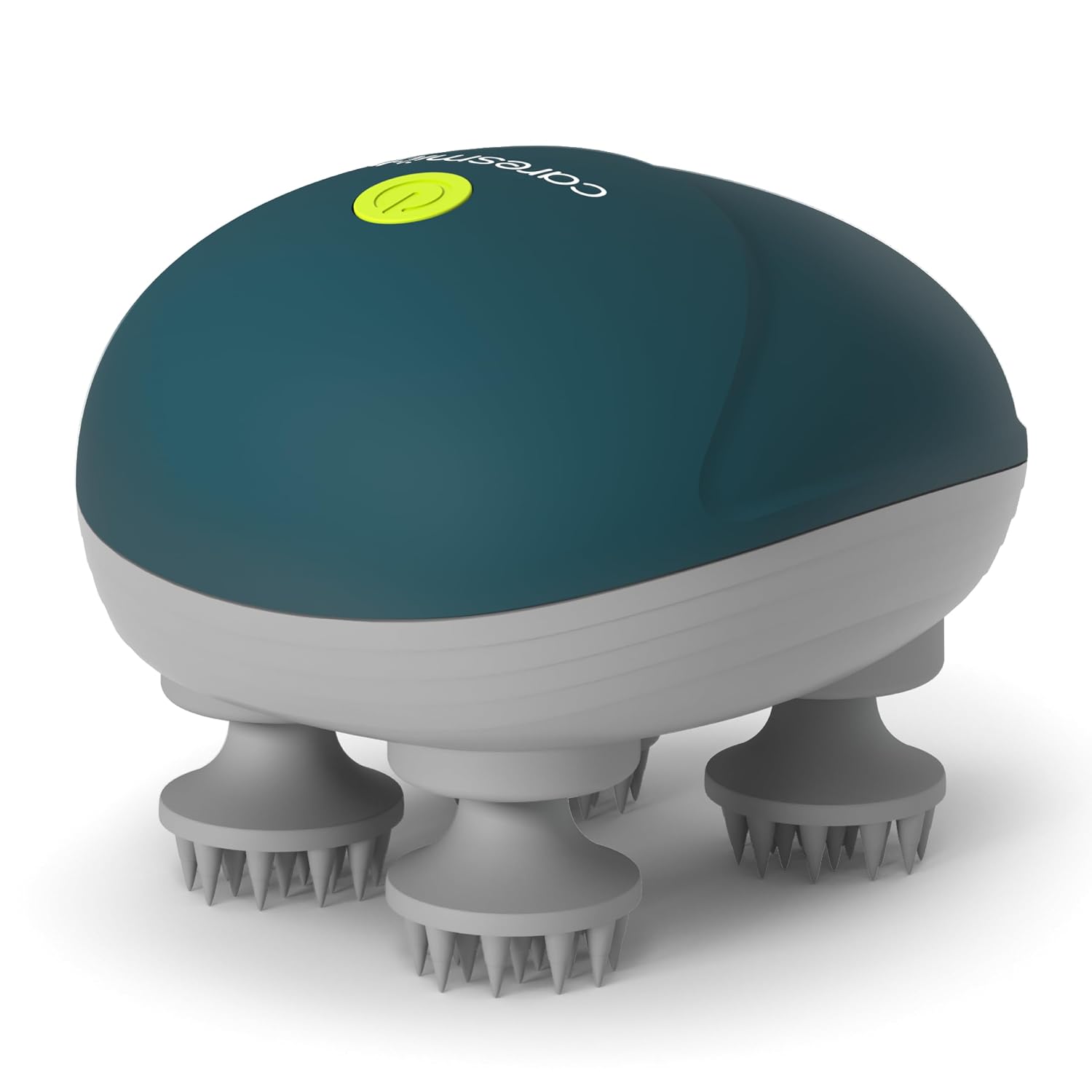
Verification note: Product names, features, prices, ratings, and availability can change. We have not independently tested these devices. Confirm the current listing and return window before purchasing.
“Healthy hair is a long game. Start where you are, with the pressure your scalp can tolerate.”
Rosemary oil and Scalp Massage for Hair Growth
Massage is often combined with rosemary oil. Unlike most cosmetic oils, rosemary oil has one real randomized trial in androgenetic alopecia.
A 2015 study randomized 100 patients to rosemary oil or 2% minoxidil for six months. Both groups had significant hair-count increases at six months, with no significant difference between groups. Scalp itching was more frequent in the minoxidil group.
That is a meaningful finding, but it is one trial, and the comparator was 2% minoxidil — not 5% minoxidil and not finasteride. Rosemary oil is not a replacement for proven first-line treatment. If you want to use it during Scalp Massage for Hair Growth, dilute it in a carrier oil such as jojoba or coconut oil, patch-test first, and avoid it if you are pregnant or breastfeeding unless a clinician approves it.
Who should skip Scalp Massage for Hair Growth and see a doctor?
Scalp Massage for Hair Growth is generally safe, but it is the wrong first move for some types of hair loss. See a dermatologist or physician if you notice:
- Patchy hair loss — smooth, round bald patches can suggest alopecia areata.
- Scalp pain, burning, scaling, or pustules — may indicate inflammation or infection.
- Sudden, heavy shedding — often telogen effluvium, which has many triggers including illness, iron deficiency, thyroid disease, and medication.
- Loss of eyebrows or body hair — warrants a systemic evaluation.
- Scarring or permanent bald patches — some scarring alopecias progress if untreated.
- Hair loss during pregnancy, postpartum, or around menopause — hormonal evaluation may be appropriate.
Do not stop a prescribed hair-loss medication to try massage instead. If you want to add Scalp Massage for Hair Growth, that is reasonable; replacing proven treatment is not.
“Progress is not always a new hair. Sometimes it is one less hair on the pillow.”
FAQs
Does Scalp Massage for Hair Growth increase blood flow to hair follicles?
Yes, massage can temporarily increase local circulation. But increased blood flow does not change follicle sensitivity to DHT, so it is unlikely to reverse pattern hair loss on its own.
Can Scalp Massage for Hair Growth regrow hair on a bald spot?
There is no reliable evidence that massage regrows hair on completely bald, shiny scalp. The 2016 study measured strand thickness in healthy men, not new growth on bald areas.
How long does Scalp Massage for Hair Growth take to work?
The published study ran for 24 weeks. Hair growth is slow, so give any routine at least three to six months before judging it. The 2019 survey reported perceived changes after an average of 36.3 hours of total massage effort.
Is Scalp Massage for Hair Growth better than minoxidil?
No. Minoxidil has multiple randomized controlled trials; scalp massage has one small uncontrolled study and one survey. Massage is an adjunct, not a replacement.
Can Scalp Massage for Hair Growth cause hair loss?
It can cause temporary shedding of hairs that were already in the telogen phase. This is usually not true hair loss. Heavy, painful, or persistent shedding should be evaluated.
Should I massage my scalp with oil?
Oil can reduce friction and make massage more comfortable. Rosemary oil has one randomized trial in androgenetic alopecia. Dilute essential oils, patch-test, and avoid irritating or comedogenic oils if you have scalp acne or seborrheic dermatitis.
Is an electric scalp massager better than using fingers for Scalp Massage for Hair Growth?
Electric devices provide more consistent motion and may be easier to use for four minutes. Fingers give better pressure control. No device has independent proof of hair regrowth.
Does Scalp Massage for Hair Growth help with DHT?
No. Massage does not block DHT or reduce 5-alpha-reductase activity. That is why it cannot replace finasteride or other androgen-targeted treatment.
Is Scalp Massage for Hair Growth safe with minoxidil?
Generally yes, once the minoxidil has dried. Massaging too soon can spread the solution to the face and increase irritation risk.
What is the best time of day to do Scalp Massage for Hair Growth?
Whenever you will actually do it consistently. Some people prefer dry massage in the morning; others prefer a silicone brush in the shower. Consistency matters more than timing.
Final verdict
Scalp Massage for Hair Growth is a reasonable, low-risk habit with a credible mechanism and modest, uncertain clinical support. It may slightly improve hair-strand thickness and is unlikely to harm you when done gently. It is not a proven treatment for pattern baldness, and it does not address the hormonal driver of androgenetic alopecia.
The smart approach: If you have early thinning and want a no-drug adjunct, try a gentle four-minute daily routine for 24 weeks alongside proven treatment. If you have visible scalp, patchy loss, sudden shedding, or scalp symptoms, see a clinician first. If you buy a device, choose one you will use consistently, confirm the return policy, and do not expect the device itself to regrow hair.
“Scalp Massage for Hair Growth is not magic — but a calm nervous system and a consistent routine are a powerful pair.”
Get the next evidence-based health guide
No hype. No miracle cures. Just clear, research-literate breakdowns you can use.
Subscribe for More Health & Wellness →
We respect your inbox. Unsubscribe anytime.
Medical disclaimer
This article is for general information and does not constitute medical advice. Hair loss has many causes. Consult a qualified dermatologist or physician before starting, stopping, or changing any treatment, especially if you have sudden, patchy, or scarring hair loss, scalp pain, or other symptoms. This article was medically reviewed by Dr. Mohammed Abdul Azeem Siddiqui, MBBS, MTech — Founder at Cosmo Hospital, registered with the Government of Telangana Medical and Healthcare Establishments — with more than 30 years of clinical practice. Medical review does not imply endorsement of any specific product or affiliate offer.
References
- Koyama T, Kobayashi K, Hattori S, et al. Standardized Scalp Massage Results in Increased Hair Thickness by Inducing Stretching Forces to Dermal Papilla Cells in the Subcutaneous Tissue. Eplasty. 2016;16:e8. PMC4740347
- English RS Jr, Barazesh JM. Self-Assessments of Standardized Scalp Massages for Androgenic Alopecia: Survey Results. Dermatol Ther (Heidelb). 2019;9(1):167–178. PMC6380978
- Nam SY, Jain SK, Kurian AG, et al. Hair regeneration: Mechano-activation and related therapeutic approaches. J Tissue Eng. 2025;16:20417314251362398. doi:10.1177/20417314251362398
- Boissard P. Mechanical stimulation of the scalp in androgenetic alopecia: a narrative review of massage, tension, and mechanotransduction. Zenodo. 2026. zenodo.org/records/20809422 — Not peer-reviewed; the author discloses an affiliate relationship with Hairguard.
- Panahi Y, Taghizadeh M, Marzony ET, Sahebkar A. Rosemary oil vs minoxidil 2% for the treatment of androgenetic alopecia: a randomized comparative trial. Skinmed. 2015;13(1):15–21. PubMed 25842469
- Google Search Central. Guide to Preferred Sources in Google Search for Web Publishers. developers.google.com
- Google Scholar search: scalp massage hair growth. scholar.google.com
Author: IntelliNewz Editorial Team. The editorial team researches and writes evidence-based health content.
Medical reviewer: Dr. Mohammed Abdul Azeem Siddiqui, MBBS, MTech — Founder at Cosmo Hospital, registered with the Government of Telangana Medical and Healthcare Establishments — with more than 30 years of clinical practice. Reviewed for medical accuracy and safety. Credentials are stated as provided; no additional board certifications or specialties are claimed unless separately verified.
Review date:
Next review due:
About the Author