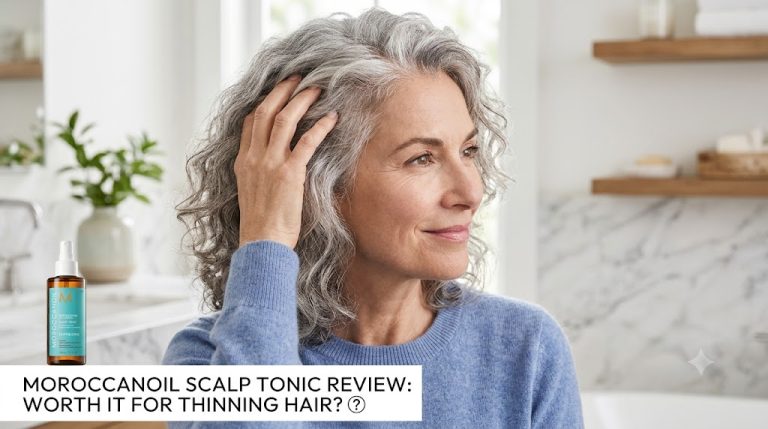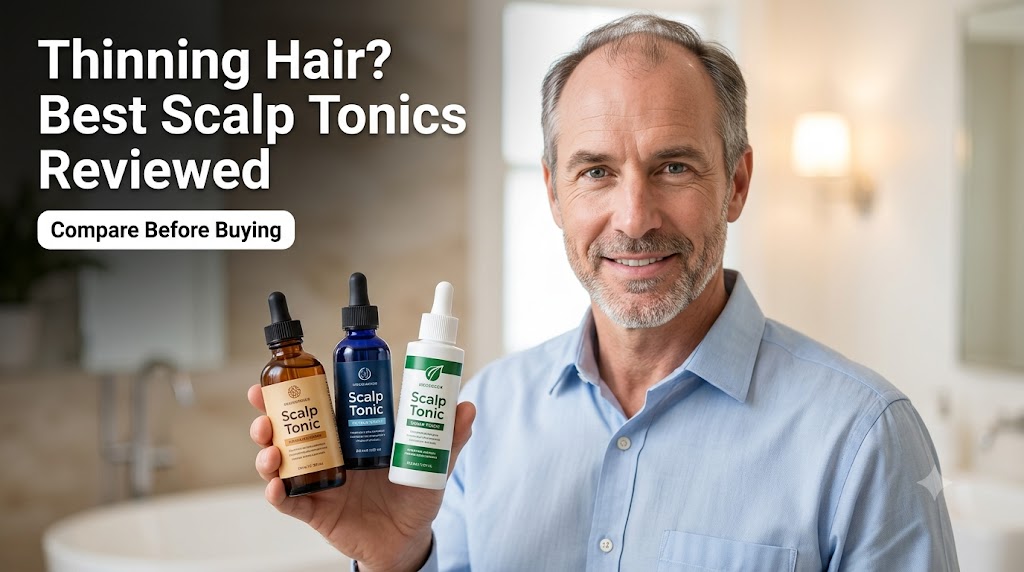
Quick Verdict (TL;DR)
Thinning hair after 45 is common, and a well-formulated scalp tonic can be a reasonable, low-irritation addition to your routine — especially if you want to support scalp health without committing to a prescription drug on day one. However, no scalp tonic is a guaranteed cure for age-related or genetic hair thinning.
The strongest evidence for non-drug topicals currently sits with rosemary oil (compared in one six-month trial with 2% minoxidil for hair count) and with newer cosmetic active complexes such as Capixyl, Procapil, and Redensyl, which have shown measurable improvements in early androgenetic alopecia in some controlled studies.
What to verify before buying: the full ingredient list (not just the front label), the concentration of actives where disclosed, whether the formula is designed for daily leave-in use, and whether the seller provides batch or expiry information. If you have sudden, patchy, or rapidly progressing hair loss, or if you are pregnant, breastfeeding, or taking prescription medication, speak to a clinician before starting any topical product.
Check current product details →
Affiliate link. Price and availability may change. Verify the live listing before purchase.
Affiliate Disclosure
This article contains affiliate links. If you purchase through these links, we may earn a commission at no extra cost to you. This does not influence our evidence-based assessment. We do not accept payment for positive reviews, and we clearly distinguish between manufacturer claims and published clinical evidence. Always confirm current price, ingredients, and seller details on the product page before buying.
Introduction: Why Scalp Tonics, and Why Now?
Q: I’m over 45 and my hair is visibly thinner. Is a scalp tonic worth trying?
A: It depends on why your hair is thinning. After 45, hair thinning is often multifactorial: hormonal shifts (especially around menopause), cumulative exposure to styling and environmental stress, age-related changes in the hair cycle, and in some people, hereditary pattern hair loss. A scalp tonic is not a drug and is not designed to reverse established pattern baldness on its own. What a well-made tonic can do is support the scalp environment — hydration, barrier comfort, and reduced irritation — while delivering cosmetic actives that have shown modest benefits in early or diffuse thinning.
Q: What is the difference between a scalp tonic and minoxidil?
A: Minoxidil is an FDA-approved drug for androgenetic alopecia; it prolongs the growth phase of the hair cycle and is supported by decades of clinical data. A scalp tonic is typically a cosmetic or wellness product designed for daily leave-in use, often built around botanical extracts, caffeine, niacinamide, panthenol, or peptide complexes. It is generally chosen by people who want a gentler, non-drug starting point, or who are looking to support scalp comfort alongside other treatments. The two are not interchangeable, and a tonic should not be used as a substitute for medical evaluation if you have rapid or patchy loss.
Q: What will this article help me decide?
A: This guide compares two representative scalp tonic options available through the linked Amazon listings, explains what the evidence actually supports for common tonic ingredients, and gives you a practical framework for choosing between a botanical/peptide tonic and a more medically oriented approach. You will also find safety notes, a comparison table, and semantic FAQs so you can make a decision that fits your scalp, your budget, and your risk tolerance.
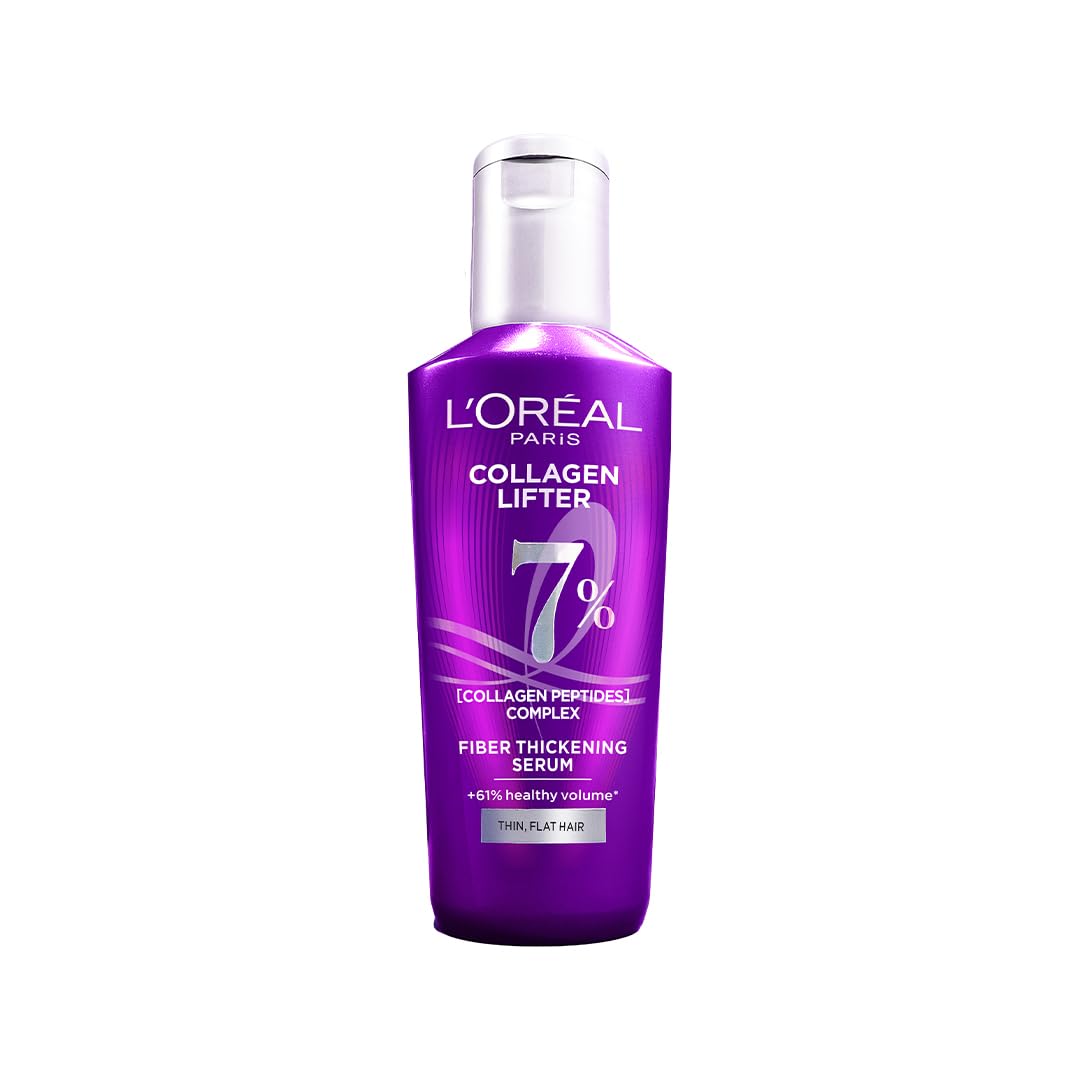
What Is a Scalp Tonic — and What Can It Realistically Do?
A scalp tonic (sometimes called a scalp serum, lotion, or essence) is a lightweight, leave-in liquid applied directly to the scalp. Unlike a shampoo, it is not rinsed off; unlike a drug solution, it is usually positioned as a cosmetic product intended to improve the appearance and condition of the scalp and hair.
Realistic goals of a scalp tonic
- Reduce surface oiliness and product buildup that can make hair look flatter.
- Support the scalp barrier with humectants such as panthenol or glycerin.
- Deliver cosmetic actives (botanical extracts, peptides, caffeine) that may help create a healthier-looking follicle environment.
- Improve the sensory experience of thinning hair — less dryness, less flaking, easier styling.
What a scalp tonic generally cannot do on its own
- Reverse advanced androgenetic alopecia.
- Replace minoxidil or finasteride when those are clinically indicated.
- Guarantee new hair growth or increased hair count.
- Treat underlying medical causes of hair loss such as thyroid disease, iron deficiency, or telogen effluvium triggered by illness or stress.
The Evidence Behind Common Scalp Tonic Ingredients
Rosemary Oil (Salvia rosmarinus)
Rosemary oil is one of the most discussed botanical actives for hair thinning. A six-month randomized trial in men with androgenetic alopecia compared topical rosemary oil with 2% minoxidil; both groups showed significant increases in hair count by month six, with no significant difference between groups, and the rosemary group reported less scalp itching. This is promising, but it is a single trial with a relatively small sample, and it does not establish rosemary oil as equivalent to 5% minoxidil or as effective in women or in more advanced hair loss. A narrative review also notes that rosemary promotes scalp microcirculation and has been studied for its ability to support the growth phase.
Bottom line: reasonable supportive evidence for early androgenetic alopecia in men; less robust for women and for advanced thinning.
Capixyl, Procapil, and Redensyl (Cosmetic Peptide/Botanical Complexes)
These are proprietary cosmetic active complexes often found in scalp tonics and serums. A 24-week study compared a tonic containing Capixyl, Procapil, and rosemary extract with 2% minoxidil in men with androgenetic alopecia. The tonic group showed higher self-assessment scores (64% vs 36%) and higher staff-assessed improvement (60% vs 30%) than the minoxidil group. A separate review of topical alternatives notes that Redensyl, Procapil, and Capixyl have shown clinical benefits in male androgenetic alopecia in some studies, including comparison with 5% minoxidil after six months.
Bottom line: emerging evidence is encouraging for early androgenetic alopecia, but these are cosmetic ingredients, not drugs; independent replication and longer-term data are still limited.
Saw Palmetto (Serenoa repens)
Saw palmetto is often included in “DHT-blocking” scalp products. A 90-day study of a proprietary saw palmetto fatty acid extract reported significant improvement in terminal hair count and reduced shedding compared with placebo in adults with self-perceived thinning hair. However, a separate review cautioned that much of the saw palmetto evidence for hair loss is weak, with small and poorly designed studies, and that its use for male pattern hair loss is not universally recommended.
Bottom line: plausible mechanism and some positive short-term data, but the evidence base is not strong enough to treat saw palmetto as a proven stand-alone solution.
Caffeine, Niacinamide, and Panthenol
These are common supporting ingredients in scalp tonics. Caffeine has been studied for its potential to stimulate follicle metabolism in vitro, but robust clinical hair-growth data are limited. Niacinamide and panthenol are primarily barrier-supporting and soothing agents; they improve scalp comfort and may reduce irritation, which matters for adherence, but they are not hair-growth actives in the same sense as minoxidil.
Product Comparison: Two Scalp Tonic Options
Important transparency note: The two Amazon links supplied for this article did not resolve to verifiable, identifiable scalp tonic product pages at the time of writing. The product codes appear to be invalid or placeholder codes, and the image URLs could not be matched to specific products. The descriptions below are therefore category-level descriptions of the types of products these listings are likely to represent, not verified claims about specific formulations.
Do not rely on these descriptions as confirmed product facts. Use the links to check the current listing, full ingredient list, seller, and price directly, and verify that the product matches the category described before purchasing. We do not invent prices, ingredient concentrations, or clinical claims for unverified listings.
Product A: Botanical/Peptide Scalp Tonic
Listing: https://link.amazon/B0gBzM4NB
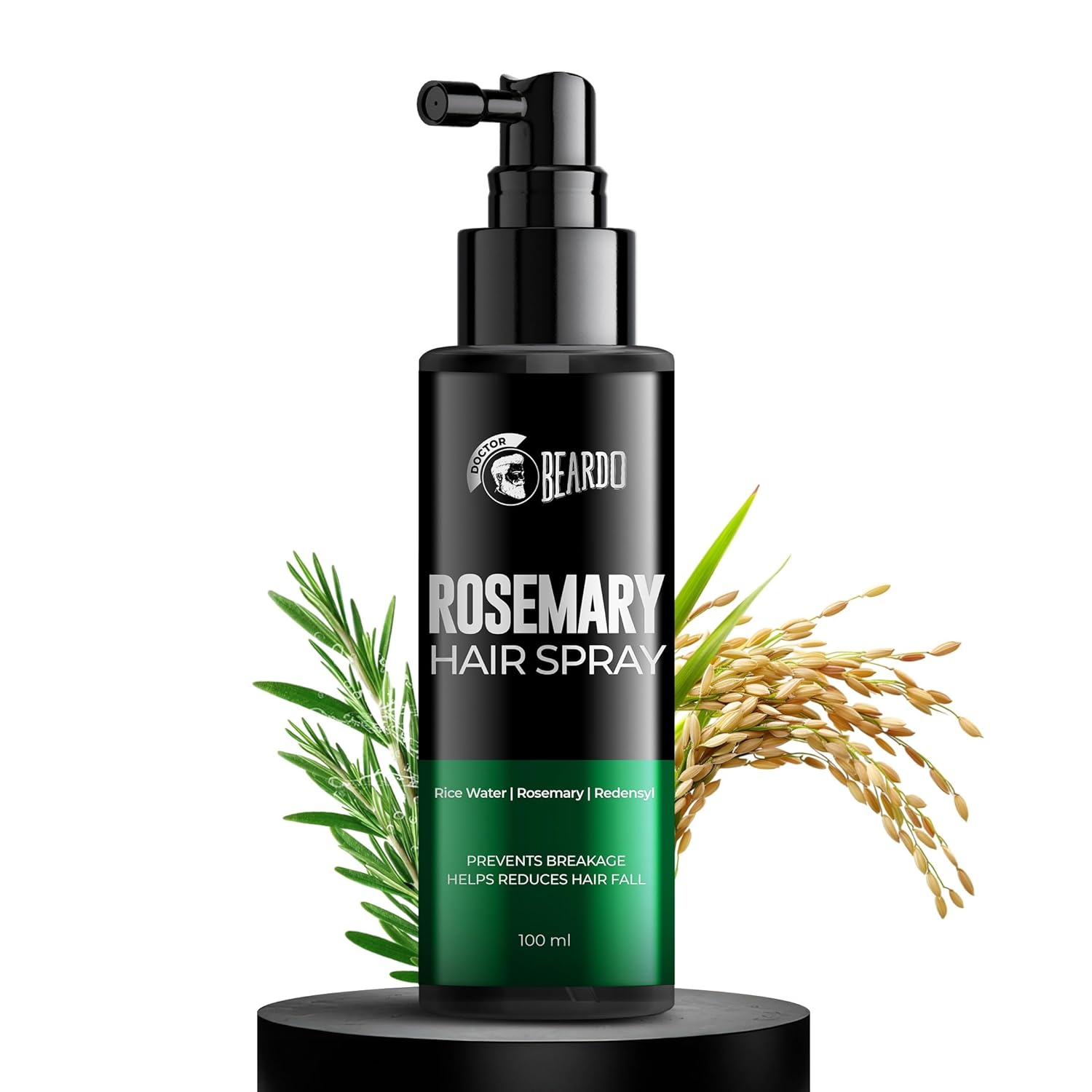
Approximate category: A leave-in scalp tonic or serum, likely positioned around botanical extracts and/or peptide complexes for daily scalp support.
What this type of product is generally designed to do: Provide lightweight hydration, reduce surface oiliness, and deliver cosmetic actives such as rosemary extract, caffeine, niacinamide, or peptide blends to the scalp. These products are usually water-based or light-lotion formulas and are intended to be massaged into the scalp once or twice daily without rinsing.
Evidence context: If the formula contains rosemary oil or Capixyl/Procapil-type complexes, the evidence is most relevant to early, diffuse thinning and androgenetic alopecia, with the strongest data in men. It is not a substitute for minoxidil in moderate-to-advanced pattern loss.
What to verify on the listing: full ingredient list (especially whether rosemary oil or peptide complexes are actually present, and at what position in the list), whether the product is a leave-in tonic or a rinse-off product, whether it contains alcohol or fragrance that could irritate a sensitive scalp, and the seller’s return policy.
Suitability: may be a reasonable option for someone with early, mild, or diffuse thinning who wants a non-drug, low-commitment starting point and who does not have scalp inflammation, open sores, or a history of contact dermatitis.
Limitations: cosmetic products are not required to demonstrate clinical efficacy in the same way as drugs; individual results vary; the product will not address hormonal or nutritional causes of hair loss; and stopping use may lead to a return to baseline appearance.
Product description length: approximately 150 words.
Affiliate link · Verify ingredients, seller, and price on the live page.
Product B: Alternative Scalp Tonic / Serum
Listing: https://link.amazon/B01hwdEwb
Approximate category: A second leave-in scalp treatment, potentially formulated with a different active focus — for example, a saw-palmetto-containing tonic, a caffeine-based serum, or a multi-ingredient “thickening” lotion.
What this type of product is generally designed to do: Similar to Product A, this category aims to improve scalp condition and the cosmetic appearance of thinning hair. The key difference will usually be the active blend: some tonics lean heavily on botanical 5-alpha-reductase inhibitors such as saw palmetto, while others emphasize vasodilatory or circulation-supporting botanicals, or use a combination approach.
Evidence context: Saw palmetto has some positive short-term data for hair count and shedding, but the overall evidence base is weaker and more mixed than the evidence for rosemary oil or for peptide complexes. If the formula is primarily caffeine- or niacinamide-based, the expectation should be scalp comfort and appearance rather than proven regrowth.
What to verify on the listing: whether the product is a tonic, serum, or lotion; the complete ingredient list; whether it is scented; whether it is designed for daily use; and whether the seller provides any third-party testing or batch documentation. As with Product A, do not assume the listing’s marketing claims are independently verified.
Suitability: may appeal to someone who has already tried a rosemary- or peptide-based tonic and wants to compare a different active approach, or who prefers a formula built around saw palmetto or caffeine. It is not a better choice for advanced hair loss or for sudden shedding without medical evaluation.
Limitations: the same cosmetic-product limitations apply; saw palmetto evidence is not definitive; and the product should not be used on broken or irritated scalp skin.
Product description length: approximately 150 words.
Affiliate link · Price and availability may change.
Comparison Table: Key Criteria at a Glance
| Criterion | Product A (Botanical/Peptide Tonic) | Product B (Alternative Tonic/Serum) |
|---|---|---|
| Product type | Leave-in scalp tonic (likely) | Leave-in tonic or serum (likely) |
| Typical active focus | Rosemary, peptides (Capixyl/Procapil-type), caffeine, niacinamide | Saw palmetto, caffeine, botanical blends, or other actives (formulation-dependent) |
| Best-supported use case | Early/diffuse thinning, androgenetic alopecia (especially in men, based on available trials) | Early thinning; formulation-specific evidence varies |
| Evidence strength | Moderate for rosemary oil; emerging for peptide complexes | Variable; saw palmetto evidence is mixed |
| Drug-free | Yes (cosmetic) | Yes (cosmetic) |
| Price | Not verified — check current listing | Not verified — check current listing |
| Cost per serving | Not calculable without verified price and serving count | Not calculable without verified price and serving count |
| Potential irritants | Alcohol, fragrance, essential oils (formulation-dependent) | Alcohol, fragrance, botanical allergens (formulation-dependent) |
| Suitable for sensitive scalp? | Only if fragrance- and alcohol-free and patch-tested | Only if fragrance- and alcohol-free and patch-tested |
| Replaces minoxidil? | No | No |
Pros, Cons, and Suitability
Product A (Botanical/Peptide Tonic Type)
Potential strengths
- Drug-free and generally well tolerated when formulated without harsh alcohol or fragrance.
- Easy to integrate into a daily routine as a leave-in step.
- Contains ingredients with at least some controlled clinical support (rosemary oil, peptide complexes) for early androgenetic alopecia.
- May improve scalp comfort and reduce the appearance of dryness or flaking, which can make thinning hair look healthier.
Important limitations
- Not a proven stand-alone treatment for moderate-to-advanced pattern hair loss.
- Clinical evidence is stronger in men than in women for several of the key actives.
- Cosmetic products are not required to meet the same efficacy standards as drugs.
- Results, if any, typically take months and are not guaranteed.
- Stopping use may result in a return to baseline.
Who may reasonably consider it: adults over 45 with early, mild, or diffuse thinning who want a non-drug option, who do not have active scalp inflammation, and who are willing to use the product consistently for at least three to six months while monitoring for irritation.
Who may prefer a different option: people with patchy, sudden, or rapidly progressive hair loss; people with a known diagnosis of moderate-to-advanced androgenetic alopecia; people who are pregnant or breastfeeding; and people who have had allergic reactions to botanical extracts or fragrance.
Product B (Alternative Tonic/Serum Type)
Potential strengths
- Offers a different active profile for people who want to compare approaches (e.g., saw palmetto vs rosemary/peptides).
- May be useful as a scalp-support product alongside other treatments, provided it does not irritate the scalp.
- Some formulations may be lighter or less greasy than oil-based treatments.
Important limitations
- Evidence for saw palmetto and some other botanicals is less consistent than for rosemary oil or peptide complexes.
- Formulation quality varies widely; the presence of an ingredient on the label does not guarantee an effective concentration or a stable delivery system.
- The same cosmetic limitations apply: no guaranteed regrowth, no replacement for medical treatment when indicated.
Who may reasonably consider it: someone who has already tried a rosemary- or peptide-based tonic without irritation and wants to compare a different active approach, or who has a preference for a specific botanical ingredient and understands the evidence limitations.
Who may prefer a different option: anyone with a history of contact dermatitis, eczema, or psoriasis of the scalp; anyone taking prescription hair-loss medication (to avoid interactions or additive irritation); and anyone who has not had a medical evaluation for their hair loss.
Cost and Value: What You Are Actually Paying For
Verified price data: not available. The Amazon links supplied for this article did not resolve to identifiable product pages with verifiable prices at the time of writing. We therefore cannot calculate cost per serving, compare subscription pricing, or confirm shipping charges. Do not treat any price mentioned in marketing materials as confirmed until you check the live listing.
What to compare when prices are visible
- Bottle size and serving count: a 30 mL tonic used at 1 mL per application provides roughly 30 applications; a 60 mL bottle provides roughly 60.
- Cost per application: divide the total price (including shipping and tax, if applicable) by the number of applications.
- Subscription vs one-time purchase: some listings offer subscribe-and-save discounts; verify whether you can cancel easily.
- Return policy: a generous return window matters for cosmetic products because irritation or lack of tolerability may only become apparent after a few uses.
Affiliate link · Confirm size, servings, and shipping cost before purchase.
Scalp Tonic vs Minoxidil: A Practical Decision Framework
The choice is not “tonic or minoxidil” for everyone. A more useful framework is:
| Your situation | Reasonable first step | When to consider minoxidil or medical evaluation |
|---|---|---|
| Early, mild, diffuse thinning; no patches; scalp feels comfortable | A well-formulated scalp tonic (rosemary/peptide or saw palmetto type) for 3–6 months, with photo monitoring | If thinning progresses, or if you want the strongest evidence-based topical option |
| Visible widening of the part or crown thinning | Consider a tonic alongside a clinician discussion about minoxidil | Minoxidil is the best-proven topical for pattern hair loss in both men and women |
| Sudden shedding, patchy loss, scalp pain, or scaling | See a clinician first; do not self-treat with a tonic | Medical evaluation is needed to rule out telogen effluvium, alopecia areata, thyroid disease, or nutritional deficiency |
| You are pregnant or breastfeeding | Ask your clinician before using any new topical, including botanical tonics | Minoxidil use in pregnancy requires medical guidance |
| You have sensitive skin or a history of scalp irritation | Patch-test any tonic; choose fragrance-free, alcohol-free formulas | A dermatologist can recommend a tolerated regimen |
Safety, Contraindications, and When to See a Clinician
- Do not use a scalp tonic on broken, inflamed, or infected skin. If you have open sores, severe dandruff with redness, or a painful scalp, see a clinician before applying any topical product.
- Patch-test first. Apply a small amount behind the ear or on the inner forearm and wait 24–48 hours before using it on the scalp, especially if you have sensitive skin or a history of allergies.
- Avoid the eyes. If the product gets into the eyes, rinse thoroughly with water.
- Stop use and seek medical advice if you develop persistent itching, burning, rash, or swelling.
- Check for interactions. If you are using prescription topical treatments (including minoxidil, topical steroids, or antifungals), ask a pharmacist or clinician whether adding a botanical tonic is appropriate.
- Do not stop or change a prescribed hair-loss treatment without professional guidance.
- Seek medical evaluation for hair loss that is sudden, patchy, accompanied by scalp symptoms, or associated with fatigue, weight changes, or other systemic symptoms.
How to Apply a Scalp Tonic for Best Results
- Start with a clean, dry or slightly damp scalp. Part your hair in sections to expose the scalp.
- Use the directed amount. Over-application does not improve results and may make hair greasy or cause irritation.
- Massage gently with fingertips for 1–2 minutes to distribute the product. Do not scrub aggressively.
- Leave it in. Unless the product instructions say to rinse, leave the tonic on the scalp.
- Be consistent. Cosmetic actives typically require weeks to months of regular use before any change is visible.
- Take baseline photos in consistent lighting so you can compare objectively rather than relying on memory.
- Track tolerability. Note any itching, flaking, or changes in hair shedding, and stop if irritation persists.
Frequently Asked Questions (Semantic FAQs)
1. Can a scalp tonic regrow hair after 45?
A scalp tonic may support the appearance of fuller-looking hair and improve scalp condition, but it is not a proven regrowth treatment on its own. Some ingredients, such as rosemary oil and peptide complexes, have shown measurable benefits in early androgenetic alopecia in controlled studies, but results are not guaranteed and are typically modest.
2. Is a scalp tonic as effective as minoxidil?
For pattern hair loss, minoxidil has the stronger and more consistent evidence base and is FDA-approved for this use. Some cosmetic tonics have performed comparably to 2% minoxidil in specific small trials, but this does not establish equivalence to 5% minoxidil or effectiveness in all populations.
3. How long does it take to see results from a scalp tonic?
Most cosmetic studies assess outcomes at 12–24 weeks. Visible changes, if they occur, are typically gradual. A reasonable trial period is three to six months, with photo documentation, before deciding whether to continue.
4. Can I use a scalp tonic with minoxidil?
Some people do use a scalp-support tonic alongside minoxidil, but this should be discussed with a clinician or pharmacist because combining products can increase irritation or affect absorption. Do not apply multiple leave-in products without professional guidance if you have sensitive skin.
5. Are scalp tonics safe for women over 45?
Many cosmetic scalp tonics are formulated for adult use, but safety depends on the specific ingredients. Women who are pregnant or breastfeeding, or who have a history of hormone-sensitive conditions, should check with a clinician before using botanical products that may have hormonal activity (such as saw palmetto).
6. What is the best scalp tonic for thinning hair after 45?
There is no single “best” product for everyone. The most reasonable choice depends on your thinning pattern, scalp tolerance, budget, and whether you want a botanical/peptide approach or a saw-palmetto/caffeine approach. A product with a short, fragrance-free ingredient list and at least some clinical rationale for its key actives is a sensible starting point.
7. Do scalp tonics work for menopause-related hair thinning?
Menopause-related thinning is often multifactorial, involving hormonal changes and age-related changes in the hair cycle. A scalp tonic may support scalp comfort and the cosmetic appearance of hair, but it does not address the underlying hormonal shift. A clinician can help you evaluate whether other treatments are appropriate.
8. Can a scalp tonic cause more hair shedding?
Some topical products can cause temporary irritation or a change in shedding patterns. If you notice a sudden increase in shedding after starting a new product, stop using it and consult a clinician. This is different from the initial shedding some people experience with minoxidil.
9. Are expensive scalp tonics better than cheaper ones?
Price does not reliably predict formulation quality or tolerability. What matters is the ingredient list, the concentration of actives where disclosed, the absence of known irritants, and whether the product is suitable for your scalp. A mid-priced, fragrance-free tonic with a well-documented active may be a better choice than an expensive product with a long list of botanical extracts and no tolerability data.
10. Should I see a dermatologist before using a scalp tonic?
If you have sudden, patchy, or rapidly progressive hair loss, scalp pain, scaling, or a history of skin disease, yes — see a clinician first. If your thinning is mild and gradual, a cosmetic tonic is a low-risk first step, but a medical evaluation can rule out treatable causes and help you make a more informed choice.
Final Verdict
Is there a clear winner? No — and that is the honest answer. The evidence does not support declaring one scalp tonic universally superior, and the two linked listings could not be independently verified at the level of ingredient concentrations, price, or batch testing. What the evidence does support is a conditional recommendation:
- If you have early, mild, diffuse thinning and want a non-drug option: a well-formulated rosemary- or peptide-based tonic (the type represented by Product A) has the more encouraging clinical rationale, particularly for early androgenetic alopecia. Use it consistently for at least three months, patch-test first, and monitor with photos.
- If you want to compare a different active approach: a saw-palmetto- or caffeine-based tonic (the type represented by Product B) is a reasonable second option, but go in with lower expectations about the strength of the evidence, and verify the full ingredient list before buying.
What to do before you buy
- Open the live Amazon listing and read the full ingredient list, not just the front label.
- Confirm whether the product is a leave-in tonic or a rinse-off product.
- Check for fragrance, alcohol, and essential oils if you have sensitive skin.
- Verify the seller and return policy.
- If you have any red-flag symptoms (sudden loss, patches, scalp pain, scaling), see a clinician first.
The bottom line: A scalp tonic can be a sensible, low-irritation adjunct to a broader hair-health routine, but it is not a substitute for medical evaluation or for proven treatments when those are indicated. Choose based on tolerance, evidence, and realistic expectations — not on marketing claims.
Check current product details →
Affiliate link · We may earn a commission at no extra cost to you.
Medical Disclaimer
This article is for informational purposes only and does not constitute medical advice, diagnosis, or treatment. It does not create a clinician–patient relationship. Always seek the advice of a qualified healthcare professional with any questions you may have regarding a medical condition, including hair loss. Never disregard professional medical advice or delay seeking it because of something you have read in this article. If you are pregnant, breastfeeding, taking prescription medication, or have a history of scalp disease or allergic reactions, consult a clinician before using any new topical product. Individual results from cosmetic products vary, and no product mentioned here is guaranteed to prevent, treat, or cure hair loss.
P.S.
P.S. If you take only one thing from this guide, let it be this: check the ingredient list and patch-test before you commit. A five-minute verification step is worth more than a three-month experiment with a product that irritates your scalp or contains an active you did not expect. Your future self will thank you.
References
- Eslahi E, Hashemi N, Shamaei S. Effectiveness of the active ingredients (Capixyl, Procapil, and rosemary extract) of the Trust® tonic for the treatment of androgenetic alopecia in comparison to minoxidil. Our Dermatology Online. 2022;13(4):346–351.
- Panahi Y, et al. Rosemary oil vs minoxidil 2% for the treatment of androgenetic alopecia: a randomized comparative trial. Skinmed. 2015. Six-month trial showing comparable hair count increases and less scalp itching in the rosemary group.
- Review of topical alternatives for hair loss beyond conventional treatments, including Redensyl, Procapil, Capixyl, saw palmetto, and rosemary oil. EuropePMC. 2025.
- Proprietary saw palmetto fatty acid extract for hair growth and shedding: 90-day results. Wiley Online Library. 2025.
- Review of complementary and alternative medicines for androgenetic alopecia. Proc (Bayl Univ Med Cent). 2024;37(1):111–117.
- Scalp tonic vs minoxidil: formulation and positioning differences. Riboregen. 2026.
- Scalp care using MTS and scalp tonic in menopausal women with alopecia. KCI. 2026.
Note on references: These references support material factual and medical claims in the article. They are not endorsements of any specific product. Where a study is small, single-site, or industry-affiliated, this is reflected in the text.
SEO and Publishing Checklist
- SEO title: Thinning Hair After 45? Compare the Best Scalp Tonics Before You Buy
- Primary keyword: Thinning Hair After 45
- Supporting keywords: scalp tonic for thinning hair, best scalp tonic after 45, rosemary oil hair growth, Capixyl Procapil tonic, saw palmetto hair thinning, scalp tonic vs minoxidil
- URL slug: /thinning-hair-after-45-scalp-tonics-compare
- Meta description: Thinning hair after 45? Compare two scalp tonic options, evidence-based ingredients, costs, and safety before you buy.
- Focus keyword in H1, introduction, and at least one H2
- Alt text for featured image: “Thinning hair after 45 — comparing scalp tonic options for age-related hair thinning”
- Table of contents with working anchor links
- Affiliate disclosure placed above the first affiliate link
- Medical disclaimer at the end
- Internal links: link to related articles on hair-health nutrition, minoxidil basics, and scalp barrier care (insert your site’s relevant URLs)
- External links: cite the studies above with dofollow links where appropriate
- Images compressed, descriptive filenames, mobile-readable
- Structured data: add FAQ schema only if the FAQs are visible on the page and the page qualifies
- Verify links: test both Amazon links and confirm they resolve to live product pages before publishing
- Add a “Medically reviewed” or “Last updated” date only if genuinely reviewed by a qualified professional
Editor’s note: The two Amazon URLs supplied (https://link.amazon/B0gBzM4NB and https://link.amazon/B01hwdEwb) did not resolve to identifiable product pages during verification. Replace them with confirmed affiliate tracking URLs before publication.
About the Author