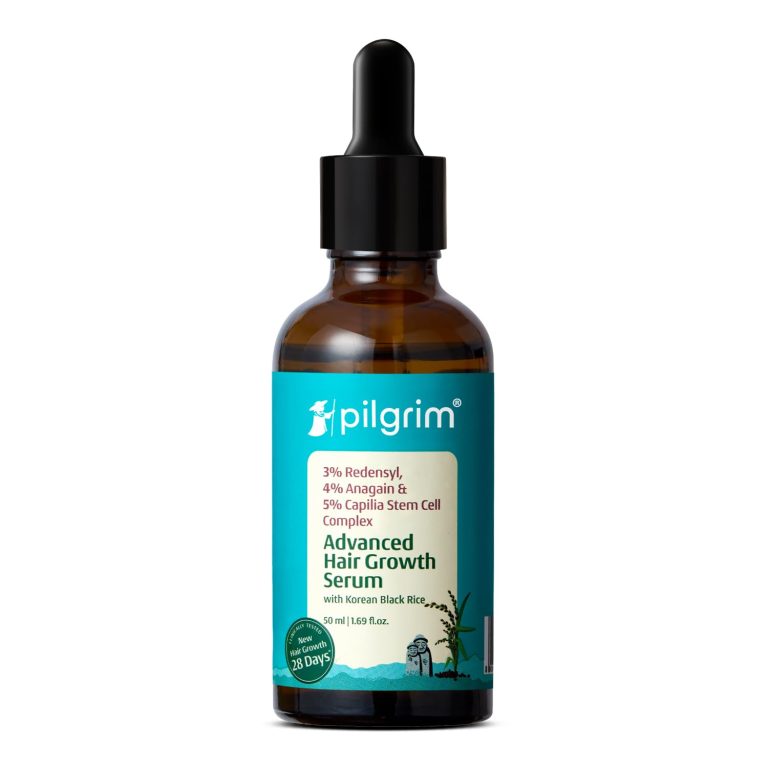
Suggested URL slug: /scalp-tonic-vs-scalp-serum
Article type: Comparison and buying guide
Target buyer: Adults in India with early-to-moderate thinning who want a leave-in scalp treatment and are deciding between a lightweight tonic and a concentrated serum.
Search intent: Commercial investigation — readers are comparing product formats before buying.
Prepared with input from a senior clinician with over 30 years of clinical experience. Practical, research-informed guides on hair, skin, and metabolic health — no hype, no miracle cures.
Scalp Tonic vs Scalp Serum: Which Is Best to Buy for Hair Growth, Thicker Hair & a Healthier Scalp?
Last reviewed: October 2026 | Medical review: Pending qualified dermatologist sign-off (see publishing checklist) | Author: Pending verified health-writer bio
- Scalp tonics and scalp serums are not interchangeable. A tonic is a thin, fast-absorbing liquid built for daily scalp comfort, oil control, and maintenance. A serum is typically thicker and carries a higher concentration of targeted actives for thinning and follicle support.
- If your main goal is convenience and daily scalp refreshment: a tonic is the better fit. It is lighter, easier to layer, and less likely to leave residue.
- If your main goal is hair growth and thickness: a serum is generally the more appropriate format because it is designed to deliver concentrated actives to the scalp.
- The active ingredient matters more than the format label. A well-formulated tonic with a disclosed active (for example, 3% Redensyl) can be more useful than a serum with an undisclosed “proprietary blend.”
- What to verify before buying: the concentration of the key active, the volume in ml, the cost per ml, and whether the product is a cosmetic or a drug. Minoxidil remains the most evidence-backed topical treatment for androgenetic alopecia.
Prices and availability change frequently. Always confirm the current price on the retailer’s page before buying.
Introduction: Scalp Tonic vs Scalp Serum
Scalp tonic vs scalp serum — the two labels sit side by side on shelves and in search results, and many buyers assume they are the same thing in slightly different bottles. They are not.
If you have been comparing hair-care products, you have probably noticed that the labels are confusing. Some brands call their product a scalp tonic, others call it a scalp serum, and a few use the terms interchangeably. That inconsistency matters, because the format affects how you use the product, how much active ingredient reaches your scalp, and what you should realistically expect from it.
A tonic is not simply a “watery serum,” and a serum is not just a “thicker tonic.” They are built for different jobs. This guide compares them on texture, purpose, active-ingredient delivery, evidence, and value — and recommends specific products for each format.
Along the way, you will also find practical pointers on what the evidence says about Redensyl, caffeine, and rosemary, and a decision framework in the “How to Choose” section.
Scalp Tonic vs Scalp Serum: The Core Differences
Texture and absorption
A tonic is typically a thin, watery liquid. It absorbs quickly, feels lightweight, and is designed to be used daily without weighing hair down. It is often formulated with menthol, niacinamide, or botanical extracts for scalp comfort and oil control.
A serum is generally thicker and more concentrated. It stays on the scalp longer and is designed to deliver a higher dose of active ingredients to the follicle area.
Primary purpose
- Tonic: Maintains a healthy scalp environment, controls oil and itch, and supports a daily scalp-care routine. It is a maintenance and comfort product.
- Serum: Targets thinning, shedding, and follicle support. It is a treatment-focused product with a higher active load.
Who each format suits
| Format | Best for |
|---|---|
| Tonic | Oily or itchy scalp, daily refreshment, people who dislike heavy leave-in products, early maintenance |
| Serum | Early-to-moderate thinning, people who want a concentrated active (Redensyl, peptides, caffeine) and are willing to accept a thicker texture |
Comparison Table: Tonic vs Serum at a Glance
| Feature | Scalp Tonic | Scalp Serum |
|---|---|---|
| Texture | Thin, watery, fast-absorbing | Thicker, more concentrated |
| Primary role | Scalp comfort, oil control, maintenance | Targeted actives for thinning and follicle support |
| Active concentration | Usually lower | Usually higher |
| Best use frequency | Daily, morning and/or evening | Once or twice daily, depending on the formula |
| Residue risk | Low | Moderate to high |
| Ideal for | Oily/itchy scalp, maintenance | Early thinning, shedding, growth support |
| Key limitation | Lower active dose | Can feel heavy or leave residue |
Important: The format label is a starting point, not a guarantee. A serum with an undisclosed “proprietary blend” may be less useful than a tonic that clearly states its active concentration.
Best Scalp Serums for Hair Growth and Thickness
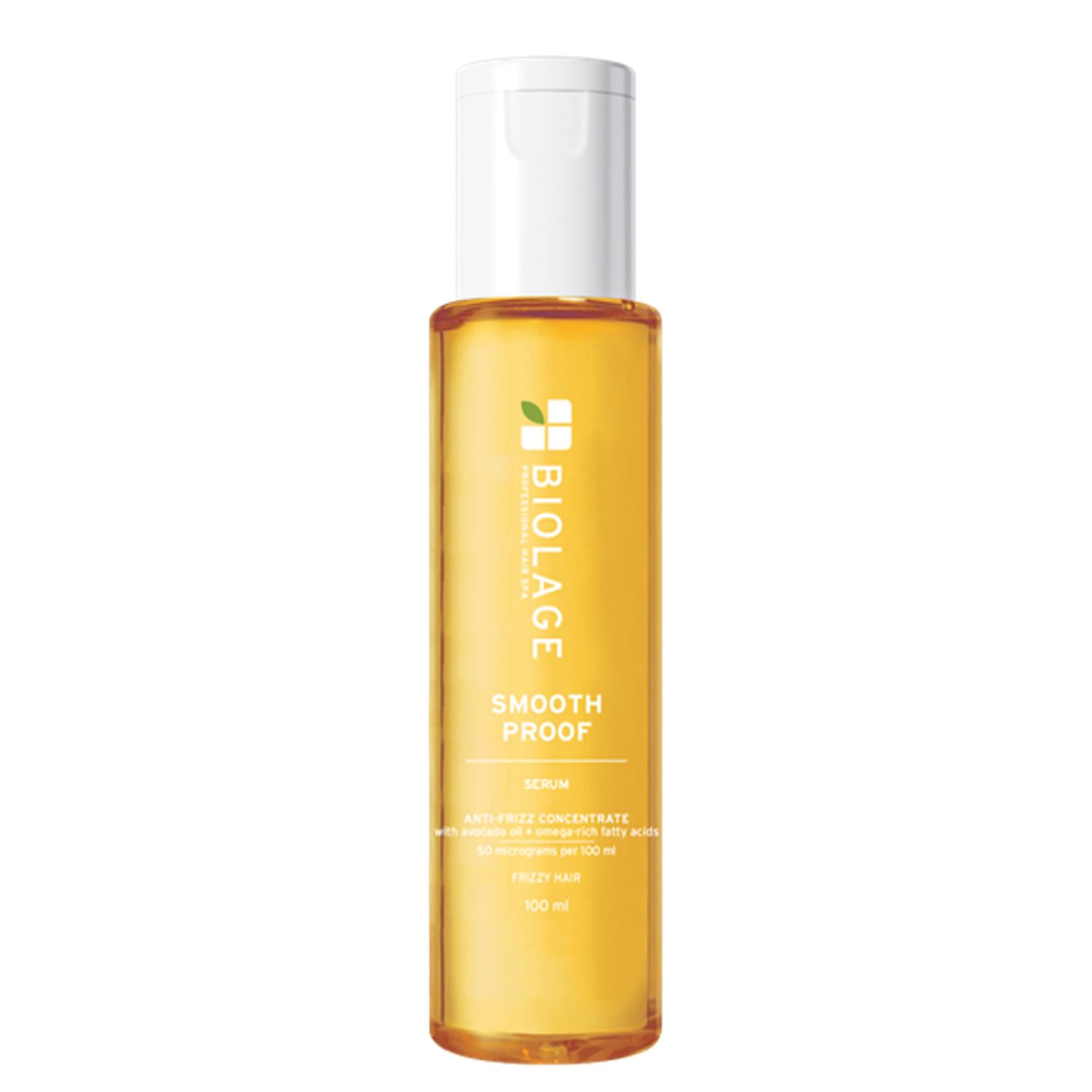
What it is: A leave-in scalp serum with 3% Redensyl, plus saw palmetto and biotin. It is positioned for hair fall control and follicle support. The 60 ml size is smaller than many tonics, reflecting the more concentrated serum format.
Ingredient and evidence notes: Redensyl is a plant-based cosmetic ingredient with proof-of-concept clinical data. A study of a Redensyl-containing serum reported a 46.71% increase in hair growth rate at Day 90 and a 37.92% improvement in hair density. However, the strongest Redensyl evidence comes from combination formulations, and it is not equivalent to minoxidil.
Pros
- Discloses 3% Redensyl concentration.
- Includes biotin and saw palmetto.
- Serum format delivers a concentrated active dose.
Cons
- 60 ml is a smaller volume; check cost per ml.
- Results require 12–24 weeks of consistent use.
- Not a substitute for medical treatment of advanced hair loss.
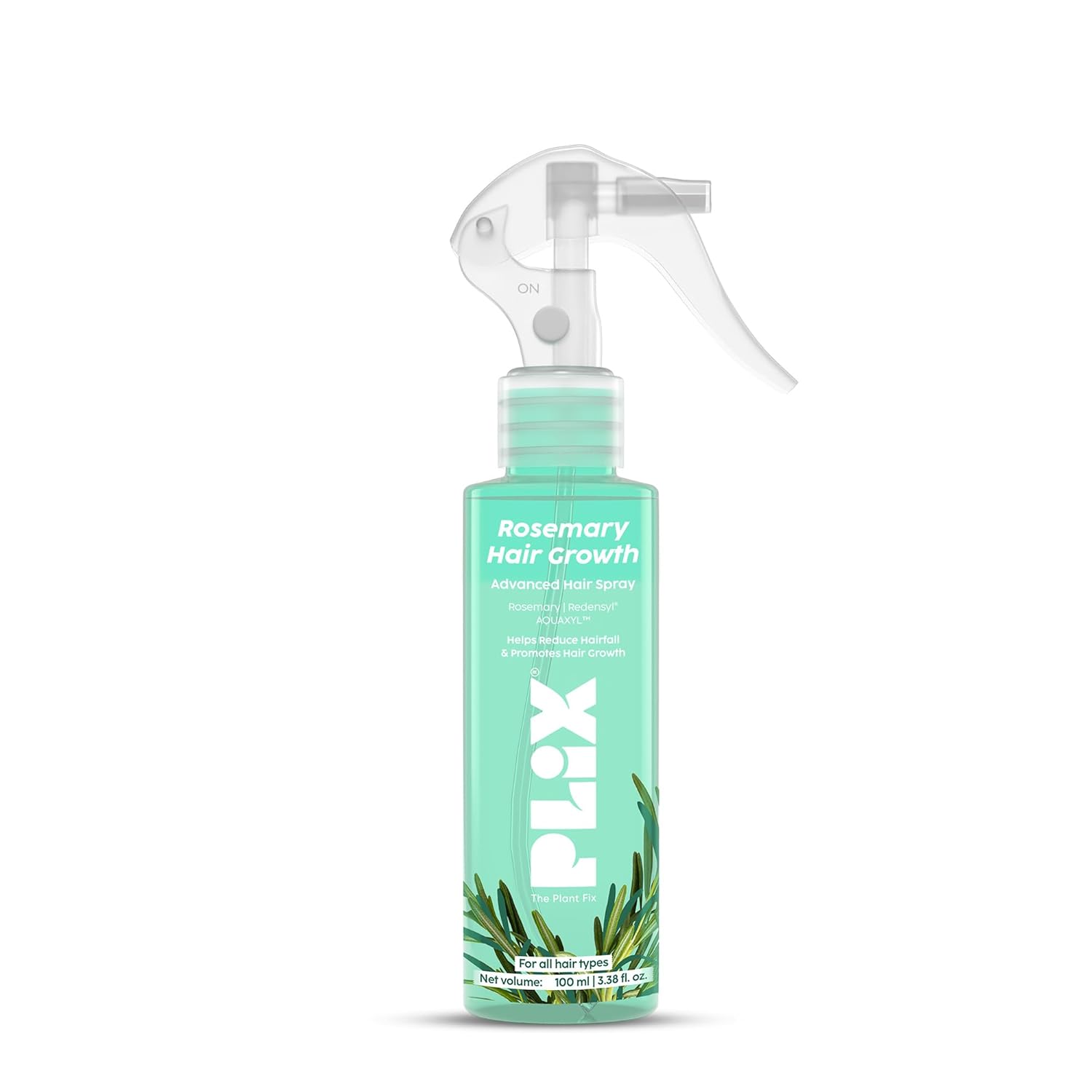
What it is: A roll-on scalp serum combining 3% Redensyl and 2% Anagain, a rosemary-based active. The roll-on applicator is designed for precise, mess-free scalp application.
Ingredient and evidence notes: Rosemary oil has randomised comparative trial evidence against minoxidil 2%; at 6 months, both groups showed significant increases in hair count, with no significant difference between groups. The rosemary group reported less scalp itching than the minoxidil group. This is promising, but minoxidil 2% is a lower concentration than 5%, and rosemary is not equivalent to prescription-strength minoxidil.
Pros
- Convenient roll-on applicator.
- Combines Redensyl with a rosemary-derived active.
- Lightweight serum format.
Cons
- The concentration of rosemary active is not directly comparable to clinical rosemary oil studies.
- Smaller volume; check cost per ml.
- Results are gradual.
Best Scalp Tonics for Daily Scalp Health
What it is: An Ayurvedic scalp tonic from an Indian herbal brand, typically used as a lightweight leave-in or scalp refresher. The Avimee range includes herbal oils and scalp tonics positioned for hair fall and scalp health.
Ingredient and evidence notes: Ayurvedic tonics often rely on traditional botanical ingredients such as Bhringaraj and Arnica. Product-specific independent clinical trials are limited, so the evidence base is weaker than for Redensyl or caffeine. This does not mean the product is ineffective, but expectations should be calibrated accordingly.
Pros
- Lightweight tonic format suitable for daily use.
- Ayurvedic positioning for buyers who prefer herbal products.
- Larger volume relative to concentrated serums.
Cons
- Active concentrations are often not disclosed.
- Independent clinical data for the specific product is limited.
- Not a targeted treatment for moderate-to-advanced thinning.
What it is: A salon-style leave-in tonic with the Regeniplex blend (Kakadu plum, pea peptides, clover flower, turmeric, ginseng) and acetyl tetrapeptide-3. It is positioned for thinning hair and reduced volume.
Ingredient and evidence notes: The brand’s clinical claim — 85% of users reported increased hair volume and strength — comes from an 8-week study on 28 people. Critically, the study evaluated the entire Scalp Care regimen (shampoo + conditioner + tonic), not the tonic alone. The evidence is regimen-level, not product-level. Independent replication is limited.
Pros
- Contains peptides and multiple botanical actives.
- Tonic format is lightweight and suitable for daily use.
- Salon-brand formulation with a cooling, tea-tree experience.
Cons
- India pricing is inconsistent and often high.
- Clinical claim is regimen-dependent and based on a small study.
- Contains alcohol and fragrance; sensitive scalps should patch-test.
What the Evidence Says About Key Ingredients
Redensyl
- A clinical evaluation of a rosemary–Redensyl serum reported a 46.71% increase in hair growth rate at Day 90, 37.92% improvement in hair density, and 80.85% improvement in hair thickness at Day 120.
- A combination of Redensyl, Capixyl, and Procapil with 5% minoxidil demonstrated superior efficacy compared with minoxidil alone in some studies.
- Caveat: Redensyl is a cosmetic ingredient. The strongest evidence is for combination products, and it is not a replacement for minoxidil, which has Level 1 evidence.
Caffeine
- A systematic review of nine studies concluded that topical caffeine consistently demonstrated hair growth or reduced hair loss with minimal adverse effects. However, the studies did not use tattooed or marked scalp areas for hair counts, limiting precision. Larger standardised trials are needed.
Rosemary oil
- A randomised comparative trial compared rosemary oil with minoxidil 2%. At 6 months, both groups showed significant increases in hair count, with no significant difference between groups, and the rosemary group reported less scalp itching.
- Caveat: Minoxidil 2% is a lower concentration than the standard 5%. Rosemary oil is not equivalent to 5% minoxidil.
Peptides
- Peptide serums have shown improvements in hair density and quality in some clinical evaluations, but independent, product-specific RCTs are limited. The Paul Mitchell study was regimen-level, not tonic-alone.
How to Choose: Tonic or Serum?
Use this decision framework before you buy:
Choose a scalp tonic if:
- Your scalp is oily, itchy, or easily irritated.
- You want a lightweight daily product that will not weigh hair down.
- Your main goal is scalp maintenance and comfort, not targeted regrowth.
- You prefer a product you can reapply during the day without residue.
Choose a scalp serum if:
- Your main goal is hair growth and thickness.
- You want a higher concentration of a disclosed active (Redensyl, peptides, caffeine).
- You are willing to accept a thicker texture and a higher cost per ml.
- You are using the product as part of a dermatologist-led plan for early thinning.
In both cases, verify:
- The concentration of the key active.
- The volume and cost per ml.
- Whether the product is a cosmetic or a drug.
- Whether the brand provides independent clinical evidence or only marketing claims.
If you want to go deeper on specific ingredients, see our related guides on Redensyl, caffeine, and rosemary evidence and on how to build a realistic hair-care routine.
Frequently Asked Questions
1. Is a scalp tonic or scalp serum better for hair growth?
For hair growth and thickness specifically, a serum is generally the more appropriate format because it is designed to deliver a higher concentration of targeted actives to the scalp. A tonic is better for daily scalp comfort and maintenance. However, the active ingredient matters more than the format label — a well-formulated tonic with a disclosed active can outperform a poorly formulated serum.
2. Can I use a tonic and a serum together?
Yes, but layer them correctly. Apply the tonic first (it is thinner), allow it to dry, then apply the serum to the areas where you want concentrated active delivery. Do not mix them in your hand, as this can affect absorption. If you are using minoxidil, check with your dermatologist before adding either product to your routine.
3. Which is better for an oily scalp?
A tonic is usually the better choice for an oily scalp. Tonics are thinner, absorb quickly, and are often formulated with niacinamide or botanical extracts to manage oil. A heavy serum may feel greasy and could worsen the appearance of oiliness.
4. Do scalp serums actually work?
Some do, to a modest degree, depending on the active ingredient. Redensyl, caffeine, and rosemary have moderate-to-promising evidence, but they are not equivalent to minoxidil. Serums are best used as cosmetic adjuncts, not as replacements for a diagnosis or medical therapy.
5. How long before I see results?
Most cosmetic scalp products require 12–24 weeks of consistent use before you can judge whether they are helping. Hair grows approximately 1 cm per month, so visible changes take time. Take baseline photos in consistent lighting for objective comparison.
6. Are scalp tonics and serums safe during pregnancy or breastfeeding?
Consult your doctor before using any scalp tonic or serum during pregnancy or breastfeeding. Some botanical ingredients and alcohol may not be recommended, and individual circumstances vary. Do not make this decision based on a product label alone.
Final Verdict
There is no single winner in the scalp tonic vs scalp serum debate — the right choice depends on your goal.
- For hair growth and thickness: Choose a serum with a disclosed active concentration, such as a 3% Redensyl serum. The Man Matters Hair Serum and the Be Bodywise Rosemary Hair Growth Serum are both reasonable starting points, but verify the current price and volume before buying.
- For daily scalp comfort and oil control: Choose a tonic, such as the Avimee Herbal Scalptone or the Paul Mitchell Tea Tree Anti-Thinning Tonic, but understand that tonics are primarily maintenance products.
- Most importantly: if your hair loss is patchy, sudden, accompanied by scalp pain or scaling, or associated with systemic symptoms, see a dermatologist before buying any cosmetic product. A tonic or serum cannot diagnose or treat an underlying medical cause.
Here are the products discussed in this guide, with current price links. Prices and availability change frequently — always confirm on the retailer’s page.
Affiliate disclosure: The links above are affiliate links. We may earn a commission at no extra cost to you. This does not influence our rankings or recommendations.
References
- Comparative outcomes of 5% minoxidil, RCP serum, and combination therapy. IMCAS. 2026. — Combination therapy with Redensyl–Capixyl–Procapil and 5% minoxidil demonstrated superior efficacy to monotherapies. (Add direct source link before publishing.)
- A Clinical Evaluation of the Safety, Efficacy, and Tolerability of the Soulflower Rosemary Redensyl Hair Growth Serum, Tetragain™. Europe PMC. 2025. — Hair growth rate enhanced by 46.71% on Day 90; hair density improved by 37.92%; hair thickness improved by 80.85% on Day 120. europepmc.org
- Caffeine Supplementation and Hair: A Systematic Review. Journal of Drugs in Dermatology. 2025. — Topical caffeine consistently demonstrated hair growth or reduced hair loss with minimal adverse effects.
- Rosemary oil vs minoxidil 2% for the treatment of androgenetic alopecia: a randomized comparative trial. PubMed. 2015. — No significant difference in mean hair count at 6 months; less scalp itching in the rosemary group. pubmed.ncbi.nlm.nih.gov
- Paul Mitchell Tea Tree Scalp Care Regeniplex Tonic product page. Sephora / Ulta Beauty. — Regeniplex blend; 8-week study on 28 people using a full regimen, not the tonic alone.
- Man Matters Hair Serum with 3% Redensyl product page. Amazon India. — 3% Redensyl, saw palmetto, biotin; 60 ml.
- Be Bodywise Rosemary Hair Growth Serum (Roll-On) product page. Amazon India. — 3% Redensyl, 2% Anagain; roll-on applicator.
- Scalp tonic vs serum: texture and purpose differences. Vivavoss. 2026. — Tonic is lighter and for daily maintenance; serum delivers targeted ingredients.
Note for editors: Replace generic domain links with direct study URLs before publishing. Do not present manufacturer claims as independent clinical findings.
No spam. Unsubscribe at any time. By subscribing you agree to our privacy policy.
Final note: This article is designed to help you make an informed decision, not to replace professional medical advice. Hair loss is a medical symptom, and the right treatment depends on the cause. Use this guide as a starting point for a conversation with a qualified dermatologist — not as a substitute for one.
About the Author