Introduction
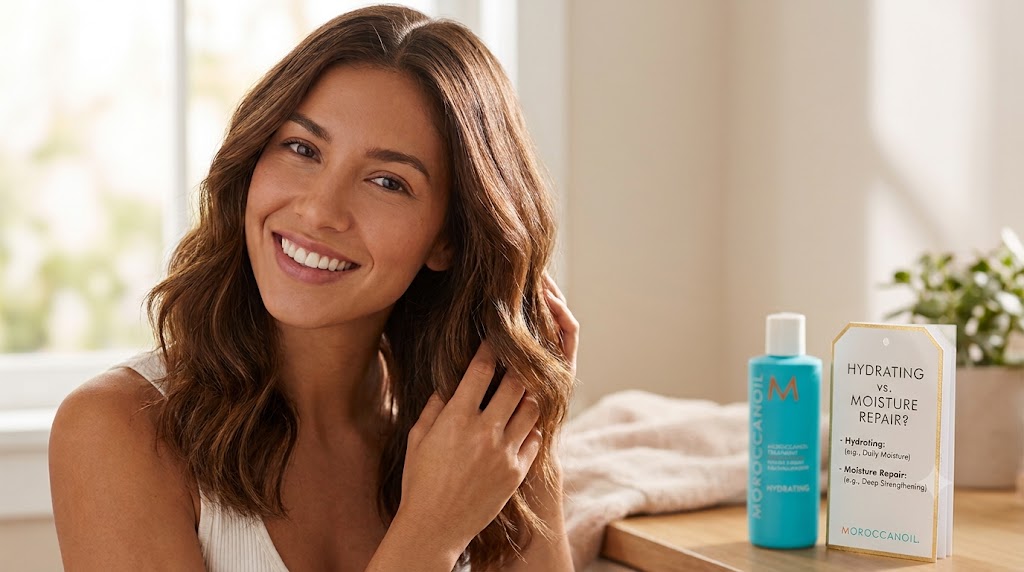
Moroccanoil’s Hydrating and Moisture Repair conditioners sit side by side on many shelves, look similar, and smell similarly luxurious. That is exactly why so many shoppers hesitate: which one actually matches my hair?
The distinction is not marketing fluff. Moroccanoil’s own product guidance separates them clearly: Hydrating is a moisture-balancing daily formula for normal-to-dry hair, while Moisture Repair is designed for weakened or damaged hair and includes keratin protein to support strength and elasticity.
Choosing the wrong one will not ruin your hair, but it can leave you paying for benefits your hair does not need—or missing the repair support your hair actually requires.
This comparison breaks down the formulas, ideal hair types, limitations, and buying considerations so you can make a more informed choice.
📌 Add Us as a Preferred Source on Google
If you want more evidence-based hair and healthcare buying guides to appear more prominently in your Google results, use the button below to select our site as a preferred source.
Implementation note: The standard Google JavaScript button above is the recommended method and renders a localized, Google-styled interactive button.
Quick Comparison at a Glance
| Feature | Hydrating Conditioner | Moisture Repair Conditioner |
|---|---|---|
| Primary purpose | Moisture balance and gentle detangling | Repair support for damaged, weakened hair |
| Best for | Normal to dry hair; dehydrated hair without major structural damage | Color-treated, chemically processed, heat-damaged, or porous hair |
| Key strengthening ingredient | Argan oil, red algae, vitamins A & E | Argan oil, keratin, fatty acids, silk amino acids |
| Weight feel | Generally lighter, daily-use oriented | Richer, more concentrated reparative formula |
| Color-safe | Yes | Yes |
| Sulfate-free | Yes | Yes |
| Price signal (UK official, 250 ml) | £20.50 (£8.20/100 ml) | Varies by size; check official page for current pricing |
| Key limitation | May be too light for significantly damaged hair | May feel heavy on very fine or low-damage hair |
Hydrating Conditioner: Who It Is For
Moroccanoil Hydrating Conditioner is positioned as a daily moisture-balancing formula for hair that is dry, dehydrated, or simply needs smoother detangling without a heavy repair load.
What Is Inside
The formula centers on argan oil, red algae, and vitamins A and E. Argan oil is rich in tocopherols, essential fatty acids, and antioxidants. Red algae functions as a natural moisturizer that helps protect the hair cuticle from dryness. Vitamin E supports the maintenance of the hair’s natural moisture balance.
What It Does Well
Official customer review summaries and individual reviews repeatedly highlight softness, manageability, and scent as the strongest points. One reviewer with dry, highlighted hair described it as moisturizing “without weighing the hair down.” Another long-term user with fine hair said it leaves hair “soft and manageable all year long.”
Where It Falls Short
The Hydrating Conditioner does not contain keratin or the same reparative protein profile as the Moisture Repair line. If your hair stretches easily, breaks when wet, or feels mushy after coloring, hydration alone may not be enough. A small number of reviewers also noted that it can feel heavy on certain hair types; one reviewer with thin hair said it “can be too heavy.”
🛒 Check Hydrating Conditioner Availability
Want to compare sizes and current pricing directly? Check the official product listing before buying.
👉 View Hydrating Conditioner Details
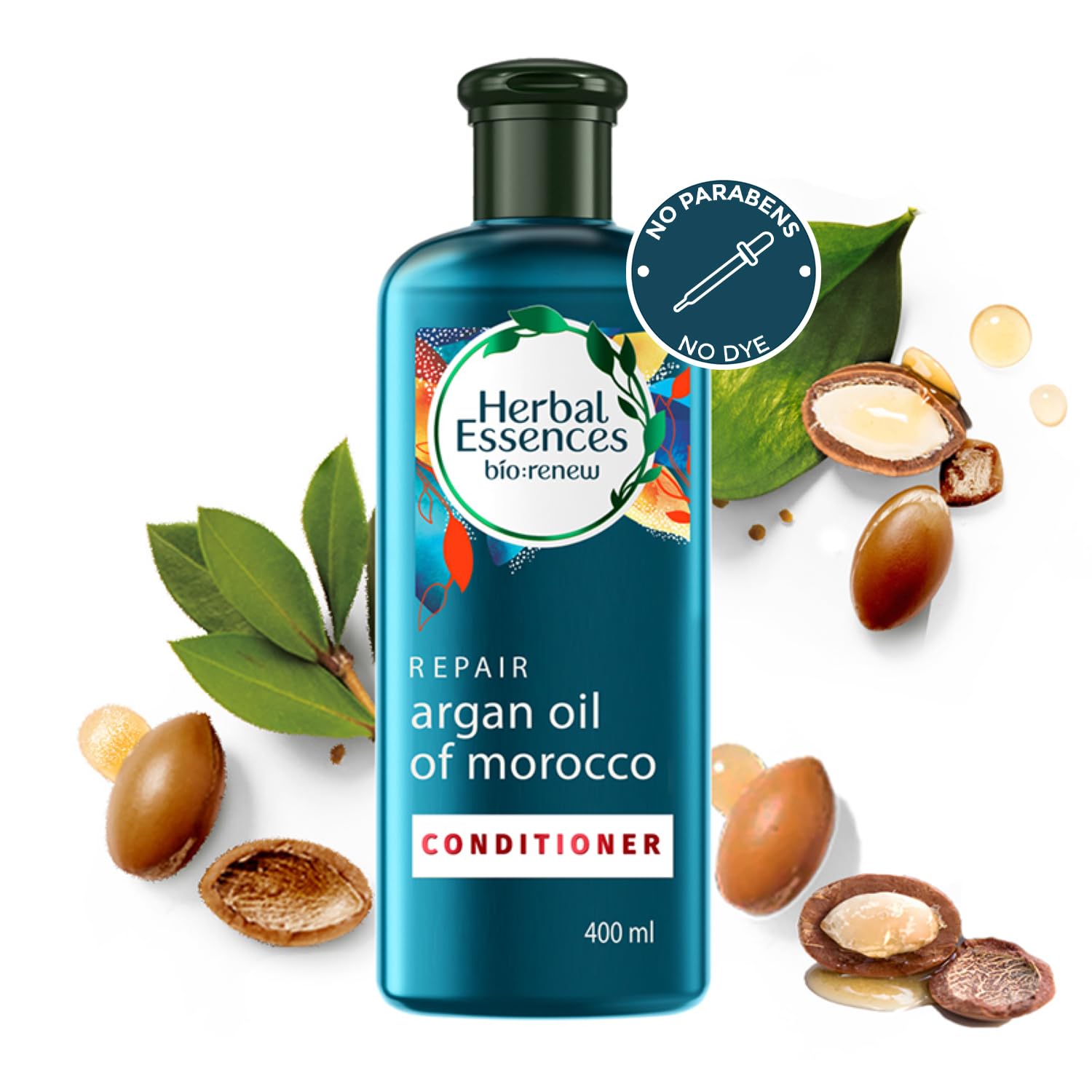
Caption: Moroccanoil Hydrating Conditioner—typically best suited to normal-to-dry hair that needs moisture balance rather than intensive repair.
Moisture Repair Conditioner: Who It Is For
Moroccanoil Moisture Repair Conditioner is formulated for weakened and damaged hair caused by color, chemical processing, or heat styling. This is the more repair-oriented option in the comparison.
What Is Inside
Alongside argan oil, this formula includes keratin, a structural protein that helps strengthen damaged or porous hair, as well as fatty acids and silk amino acids that draw moisture into the cuticle. The combination is designed to improve elasticity and manageability, not just surface smoothness.
What It Does Well
Reviewers with damaged hair frequently describe noticeable improvements in softness, frizz reduction, and manageability. One reviewer with thick, frizzy, curly hair reported an “immediate improvement” and reduced frizz by roughly 80%. A long-haired reviewer who uses heated tools weekly said she has “no split ends” and that her hair “feels and looks healthy.” Another reviewer specifically compared the two lines and found Moisture Repair “better than the hydrating formula” for helping long hair remain healthy.
Where It Falls Short
Not every hair type responds well. A small number of Sephora reviewers reported that it made their hair feel greasy or heavy, and one described scalp itching. These are individual reports, not evidence of a general safety problem, but they matter: richer repair formulas are not automatically better for every hair type. If your hair is fine, low-porosity, or only mildly dry, the repair formula may be more than you need.
🛒 Compare Moisture Repair Conditioner
If your hair is damaged from color, heat, or chemical processing, compare sizes and current pricing.
👉 View Moisture Repair Conditioner Details
Caption: Moroccanoil Moisture Repair Conditioner—formulated with keratin and fatty acids for weakened, damaged hair.
Key Ingredient Differences That Matter
The most decision-relevant difference is not the argan oil—both contain it. It is the repair support.
Hydrating Conditioner relies on moisture-binding and cuticle-protecting ingredients: argan oil, red algae, and vitamins A and E. This is appropriate when the hair’s main problem is dryness or dehydration rather than structural protein loss.
Moisture Repair Conditioner adds keratin and a more reparative protein profile. Keratin is a structural protein; damaged or porous hair may benefit from protein-based conditioning because it can temporarily fill gaps in the cuticle and improve how the hair feels and behaves. This is why Moroccanoil specifically recommends Moisture Repair for hair weakened by color, chemical services, or heat.
Neither product is a “treatment” in the medical sense. They are cosmetic conditioners. They can improve manageability, softness, and the appearance of health. They cannot permanently rebuild hair that has been destroyed, and they do not address the follicle or scalp disease.
Pros, Cons, and Suitability
Hydrating Conditioner
Pros:
- Lightweight enough for daily use on normal-to-dry hair
- Pleasant scent is consistently praised in reviews
- Color-safe, sulfate-free, paraben-free
- Good choice if your hair is dry but not significantly damaged
Cons:
- Lacks the keratin/protein repair support of the Moisture Repair line
- May still feel heavy on very fine or low-porosity hair for some users
- Not designed for hair with significant breakage or chemical damage
Who may consider it: Readers with generally healthy hair that feels dry, rough, or hard to detangle. If your main complaint is moisture and manageability, start here.
Moisture Repair Conditioner
Pros:
- Includes keratin and fatty acids for damaged, porous hair
- Reviewers with color-treated and heat-styled hair often report improved softness and reduced frizz
- Color-safe and sulfate-free
- More appropriate if your hair feels weak, stretchy, or rough from processing
Cons:
- Can feel heavy or greasy on fine, low-damage hair for some users
- Is not a medical treatment for hair loss or scalp conditions
- Individual reports of itching exist; discontinue if irritation occurs
Who may consider it: Readers whose hair has been through color, bleach, relaxers, frequent heat styling, or repeated chemical treatments—and who notice breakage, roughness, or loss of elasticity.
Price and Value Considerations
Verified official pricing for the Hydrating Conditioner in the UK is £20.50 for 250 ml, which works out to £8.20 per 100 ml. Pricing for the Moisture Repair Conditioner varies by size and retailer, and promotional bundles are frequently available through Moroccanoil’s official site. Always check the current price and size on the retailer page, because hair care pricing changes and bundle offers can materially change the cost per milliliter.
Value should be judged by fit, not just price. A conditioner that does not match your hair type is poor value even at a discount. If you are unsure, a smaller size is often the more rational first purchase than a liter bundle.
Frequently Asked Questions
Is Moroccanoil Hydrating Conditioner the same as Moisture Repair?
No. Hydrating is a moisture-balancing daily conditioner. Moisture Repair is formulated for weakened or damaged hair and includes keratin for strength support.
Which one is better for color-treated hair?
Both are color-safe. However, if your hair is also damaged from coloring or bleach, Moisture Repair is the more targeted option because of its keratin and reparative profile. If your color-treated hair is otherwise healthy and just dry, Hydrating may be sufficient.
Can I use Moisture Repair every day?
Moroccanoil describes it as a daily care formula, but individual tolerance varies. If your hair feels heavy or your scalp feels irritated, reduce frequency or switch to the Hydrating line. Persistent irritation warrants a conversation with a clinician.
Will either conditioner help with hair loss?
No. These are cosmetic conditioners. They can improve how hair feels and reduce breakage from detangling, but they do not treat androgenetic alopecia, telogen effluvium, or other medical causes of hair loss. Hair loss requires proper evaluation by a qualified professional.
Which one smells better?
Scent is subjective. Both lines are known for the signature Moroccanoil fragrance, and reviews for both frequently praise the smell. If fragrance sensitivity is a concern, patch-test or start with a small size.
Final Verdict: Which Should You Buy?
Buy Hydrating Conditioner if: Your hair is normal-to-dry, feels dehydrated, tangles easily, or needs lightweight daily moisture—and you do not have significant damage from color, heat, or chemical processing.
Buy Moisture Repair Conditioner if: Your hair is visibly damaged, feels weak or rough, breaks easily, or has been through color, bleach, relaxers, or frequent heat styling. The keratin and fatty acid profile is designed for that scenario.
The most important limitation to accept: Neither product is a treatment for scalp disease or hair loss. If you are experiencing inflammatory scalp symptoms, sudden shedding, or patchy hair loss, see a qualified clinician. A 30+ year clinically experienced physician reviewer should confirm the medical disclaimer language before publication—not because these are prescription products, but because hair-related content can attract readers with medical concerns that a cosmetic conditioner cannot address.
Before you buy: Confirm the current size, price, and ingredient list on the official product page. If you are between categories, start with the smaller bottle and assess how your hair responds over two to three weeks.
References and Review Notes
Product and ingredient facts:
- Moroccanoil Hydrating Conditioner official product page: argan oil, red algae, vitamins A and E; normal-to-dry hair; color-safe, sulfate-free.
- Moroccanoil Hydrating Conditioner official comparison note: Hydrating is a moisture-balancing formula; Moisture Repair contains keratin for weakened/damaged hair.
- Moroccanoil Moisture Repair Conditioner official page: weakened and damaged hair; keratin, fatty acids, argan oil; color-safe.
- Moroccanoil Moisture Repair Conditioner official product details: keratin strengthens damaged or porous hair; silk amino acids draw moisture into the cuticle.
- Moroccanoil UK Hydrating Conditioner price: £20.50 / 250 ml (£8.20 per 100 ml), including VAT excluding shipping.
Customer review signals (individual experiences, not clinical evidence):
- Hydrating reviews: softness, manageability, scent; one report of heaviness on thin hair.
- Moisture Repair reviews: improvements in frizz, softness, and manageability for damaged hair; some reports of heaviness or itching.
Google Preferred Sources implementation:
- Standard JavaScript method:
<script async src="https://news.google.com/swg/js/v1/publisher.js"></script>and<div google-add-preferred-source-btn></div>.
Medical disclaimer: This article is for general informational and commercial comparison purposes only. It is not medical advice, diagnosis, or treatment. Cosmetic conditioners are not intended to treat hair loss, scalp disease, or any medical condition. Consult a qualified healthcare professional for persistent scalp symptoms, unusual hair shedding, or concerns about hair loss. Do not stop or change prescribed treatment based on this content.
Affiliate disclaimer: Links in this article may be affiliate links. If you purchase through them, we may receive a commission. This does not affect the price you pay or our editorial conclusions. Always verify current product details and pricing on the destination page.
P.S. “The best hair purchase you will ever make is the one you do not regret because you matched the product to the problem—not to the marketing.”
P.P.S. “Softness is a feeling. Strength is a structure. Know which one your hair is asking for.”
About the Author