Below is a practical guide to stopping pimples on oily skin, including DIY prevention habits and the best product types to buy.
Understanding Why Oily Skin Breaks Out
Your skin naturally produces sebum to protect itself. When that oil combines with sweat, dirt, and dead skin cells, it can block pores and trigger inflammation. Hormonal changes, oily hair products, and certain medications can make breakouts worse. The key is consistency, not aggression. Washing more than twice a day or using harsh scrubs can actually trigger more oil production and irritation.
DIY Habits to Prevent Pimples on Oily Skin
Small daily habits make a real difference before you even buy a product.
- Cleanse twice daily, no more. Wash morning and night with a mild, non-drying cleanser. If you exercise, rinse after sweating, but avoid repeated washing throughout the day. Scrubbing does not unclog pores—it irritates skin and delays healing.
- Keep hair off your face. Oily hair transfers oil to your forehead and cheeks. Shampoo daily if your hair is oily, and pull hair back when possible. Clean pillowcases and phone screens regularly, since they collect oil and bacteria.
- Do not pick or pop. Squeezing pimples pushes bacteria deeper, increases redness, and raises the risk of scarring. If you must cover a spot, use a hydrocolloid patch rather than your fingers.
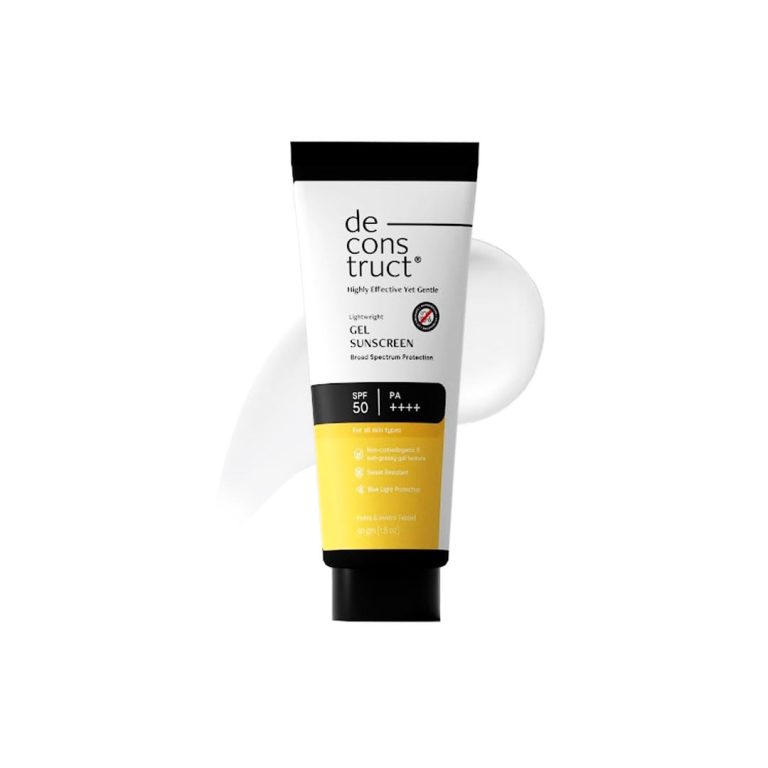
- Choose non-comedogenic everything. Moisturizers, sunscreens, and makeup labeled “noncomedogenic” are formulated not to clog pores. Skip heavy oil-based cosmetics and never sleep in makeup.
- Blot, don’t rewash. When shine appears midday, press a blotting paper against oily areas instead of washing again. Over-washing signals your skin to produce more oil.
- Watch dairy and high-glycemic foods. Some evidence suggests minimizing dairy and high-glycemic-index foods may reduce acne flares. This is not a cure-all, but it is worth testing for a few weeks if you are prone to frequent breakouts.
What to Look for in Acne-Fighting Face Washes
A good cleanser for oily, pimple-prone skin removes excess oil without leaving skin tight or stripped. Look for salicylic acid or benzoyl peroxide in the formula if your skin tolerates them, as these ingredients help unclog pores and reduce bacteria. Avoid harsh sulfates that leave skin squeaky-clean—that feeling often means your barrier is compromised and will rebound with more oil.
La Roche-Posay Effaclar Purifying Foaming Gel is a popular dermatologist-adjacent choice for oily skin. It uses zinc PCA to help reduce shine and thermal spring water to condition skin, cleansing without the tight feeling that drives rebound oil.
La Roche-Posay Effaclar Purifying Foaming Gel
Gentle gel cleanser for oily, acne-prone skin. Helps remove excess oil without stripping.
Serums That Target Breakouts and Oil
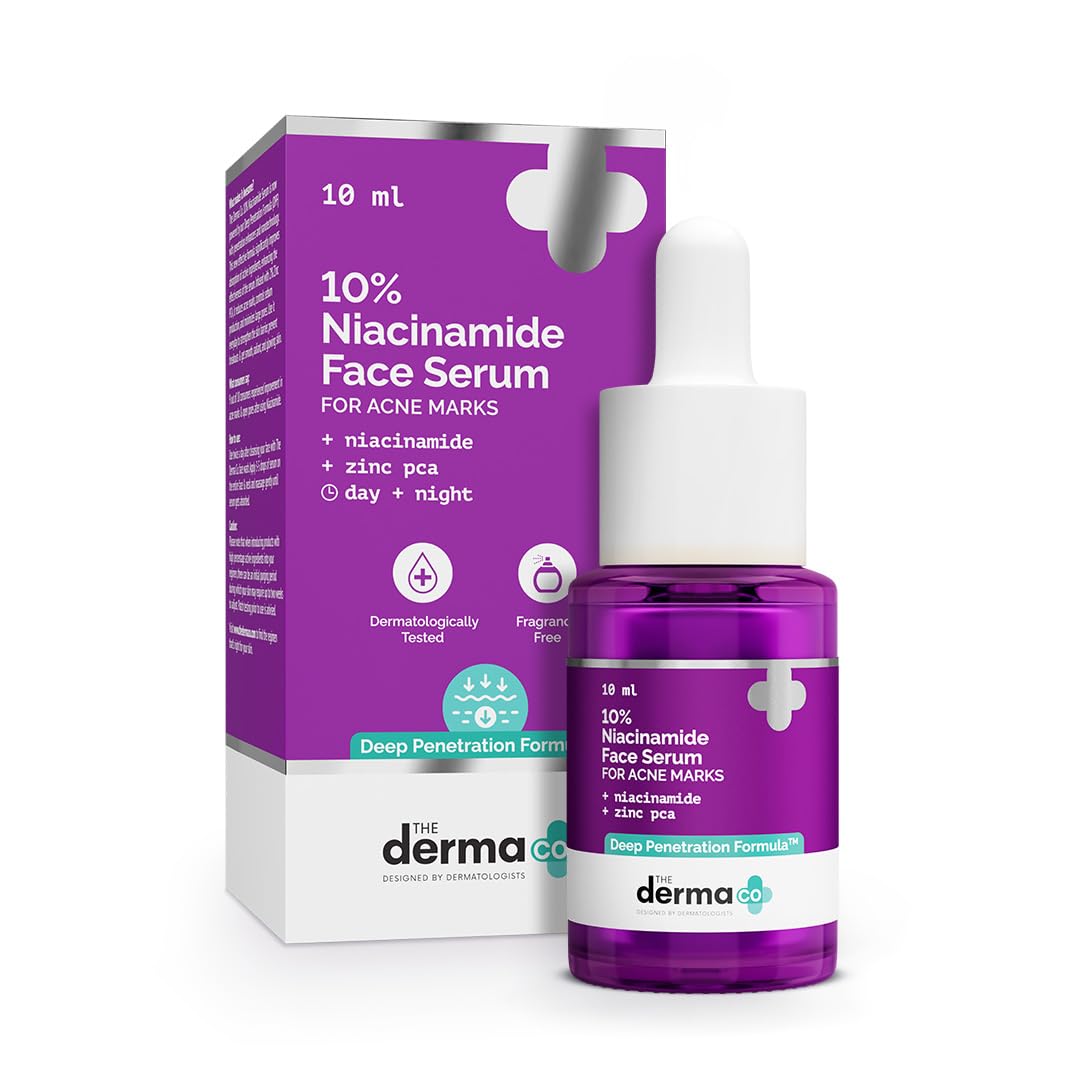
Serums deliver concentrated actives where you need them. For oily, acne-prone skin, the most useful ingredients are salicylic acid (a BHA that penetrates pores), niacinamide (regulates oil and supports the barrier), and gentle AHAs like lactic acid for surface exfoliation.
La Roche-Posay Effaclar Ultra Concentrated Serum combines salicylic, glycolic, and lipo-hydroxy acids to micro-exfoliate and clarify pores. It is potent, so introduce it slowly—every other night at first—and always follow with moisturizer.
La Roche-Posay Effaclar Ultra Concentrated Serum
Triple-acid serum that helps unclog pores and refine skin texture. Use 2–3 times weekly to start.
Treatments and Moisturizers That Finish the Job
Skipping moisturizer because your skin is oily is a mistake. Dehydrated skin produces more oil to compensate, so a lightweight, non-comedogenic moisturizer actually helps regulate sebum. Look for gel or water-cream textures with niacinamide, zinc, or ceramides.
La Roche-Posay Effaclar Duo+M is a corrective gel moisturizer designed for oily, blemish-prone skin. It contains salicylic acid and lipo-hydroxy acid to gently exfoliate, plus niacinamide for brightening and zinc PCA for oil control. Use it as your daily moisturizer after serum, morning and night.
La Roche-Posay Effaclar Duo+M Anti-Blemish Corrective Gel Moisturizer
Lightweight gel moisturizer with salicylic acid and niacinamide. Helps reduce blemishes and control shine.
A Simple Routine to Stop Pimples on Oily Skin
Morning: Gentle cleanser → niacinamide serum (optional) → lightweight moisturizer → non-comedogenic sunscreen.
Evening: Gentle cleanser → acne-fighting serum (salicylic acid or retinoid, 2–3 times weekly to start) → moisturizer. If your skin feels dry or stinging, reduce active frequency rather than adding more products.
Weekly: A clay mask or chemical exfoliant once or twice a week can help manage shine and keep pores clear. Do not combine multiple exfoliants on the same night.
If over-the-counter products do not improve your acne after several months, or if you develop painful cysts or scarring, see a dermatologist. Prescription retinoids, antibiotics, or hormonal treatments may be necessary.
Disclosure: This article contains affiliate links. If you purchase through these links, we may earn a small commission at no extra cost to you. We only recommend products that align with the skin types and concerns discussed.
Disclaimer: This content is for informational purposes only and is not a substitute for professional medical advice. Individual skin reactions vary. Patch-test new products and consult a dermatologist if your acne is severe, painful, or leaving scars.
About the Author