Quick Verdict / TL;DR
The Korean 10-step routine is less about doing exactly ten products every single day and more about layering hydration and targeted treatments in the right order. For day and night combined, you need roughly 8–10 product categories—not all used twice daily. The essential non-negotiables are: a gentle cleanser, a hydrating toner/essence, a treatment serum matched to your concern, a lightweight moisturizer, and sunscreen every morning.
Who it suits: Dry, dehydrated, or dull skin types benefit most from the layering approach. Who should simplify: Very oily or acne-prone skin in humid climates should cut back on heavy creams and skip daily exfoliation.
What to verify before buying: Check ingredient lists for non-comedogenic labeling, confirm current pricing on Amazon, and patch-test new actives like vitamin C or exfoliating acids.
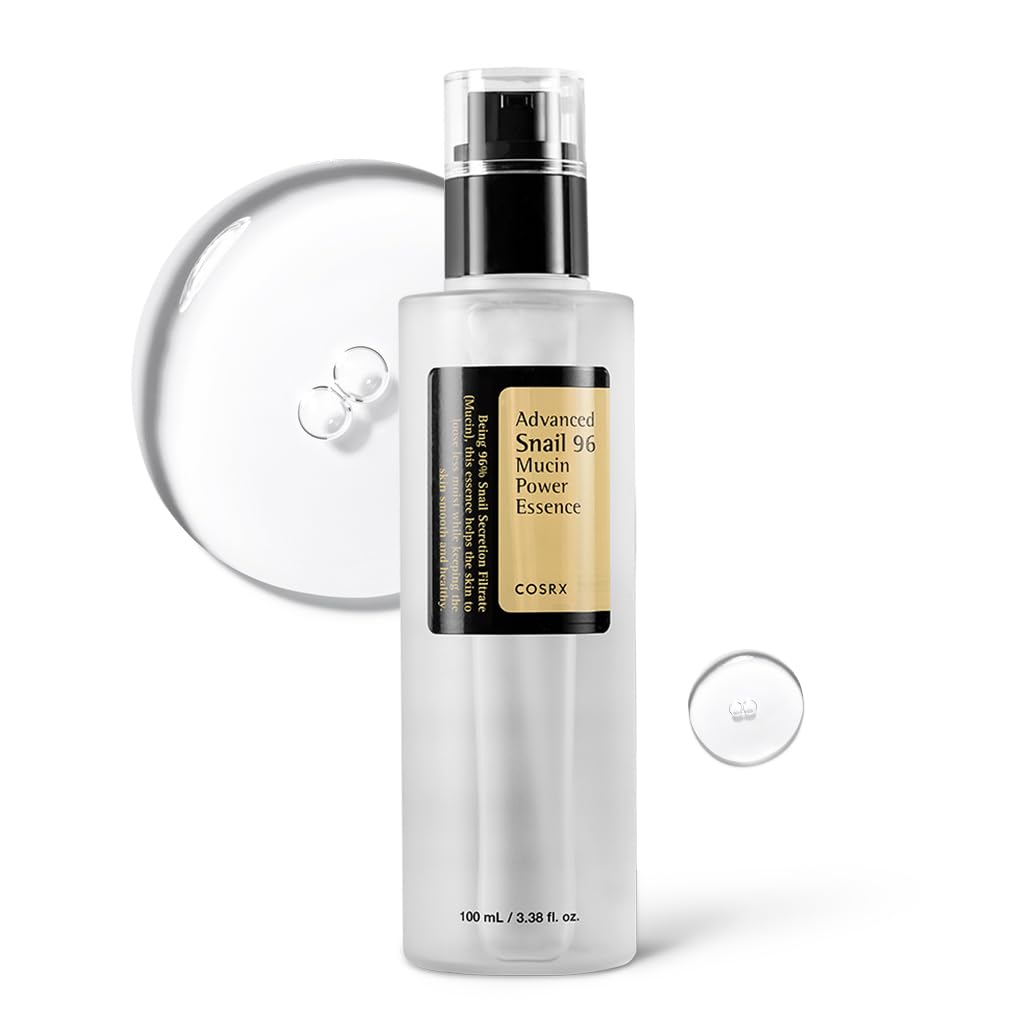
K-Beauty Step Product — Cleanser / Essence
A core product for the Korean 10-step routine. Check current details and ingredients on the product page.
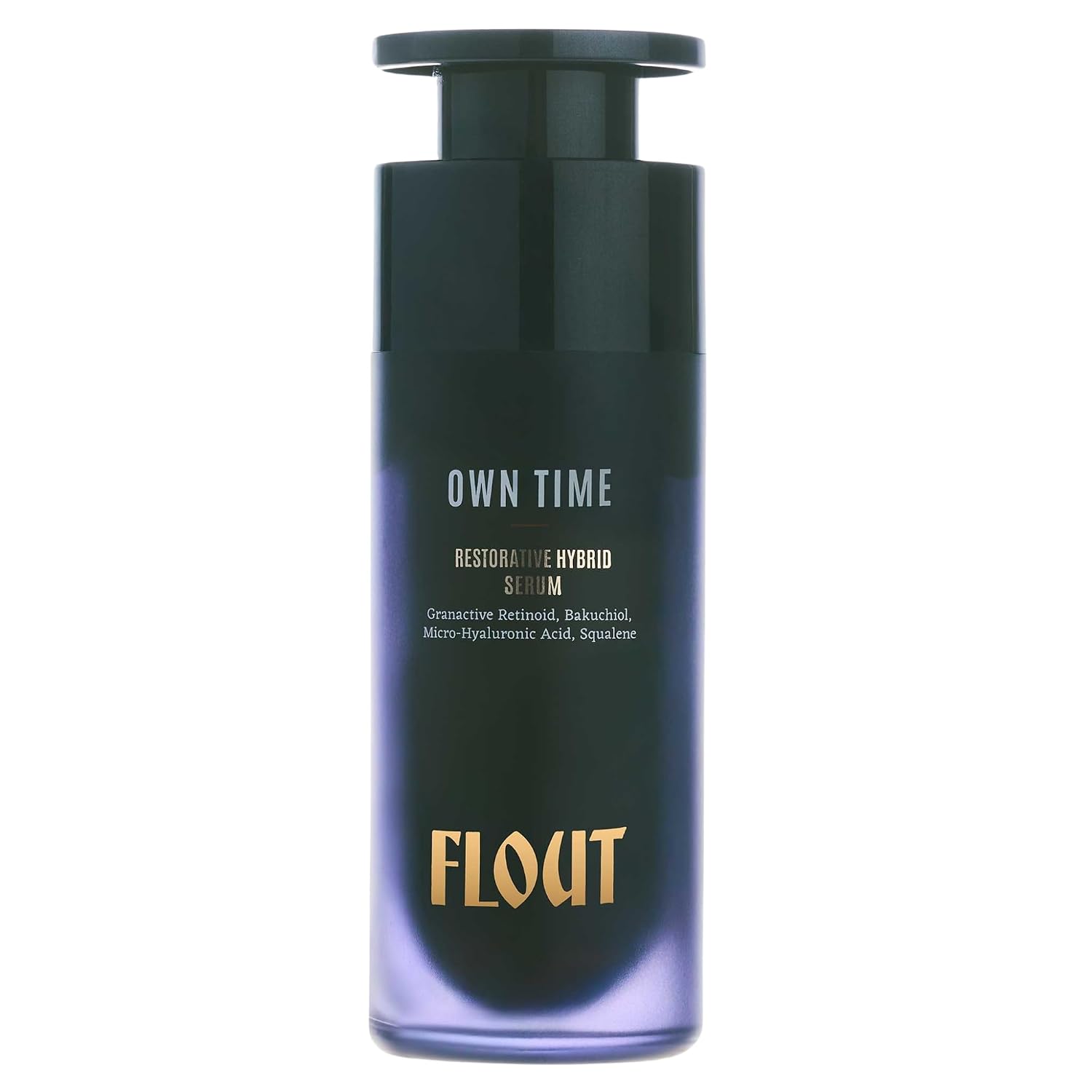
K-Beauty Step Product — Toner / Serum
A hydrating or treatment layer for day or night. Verify ingredients and skin-type suitability.
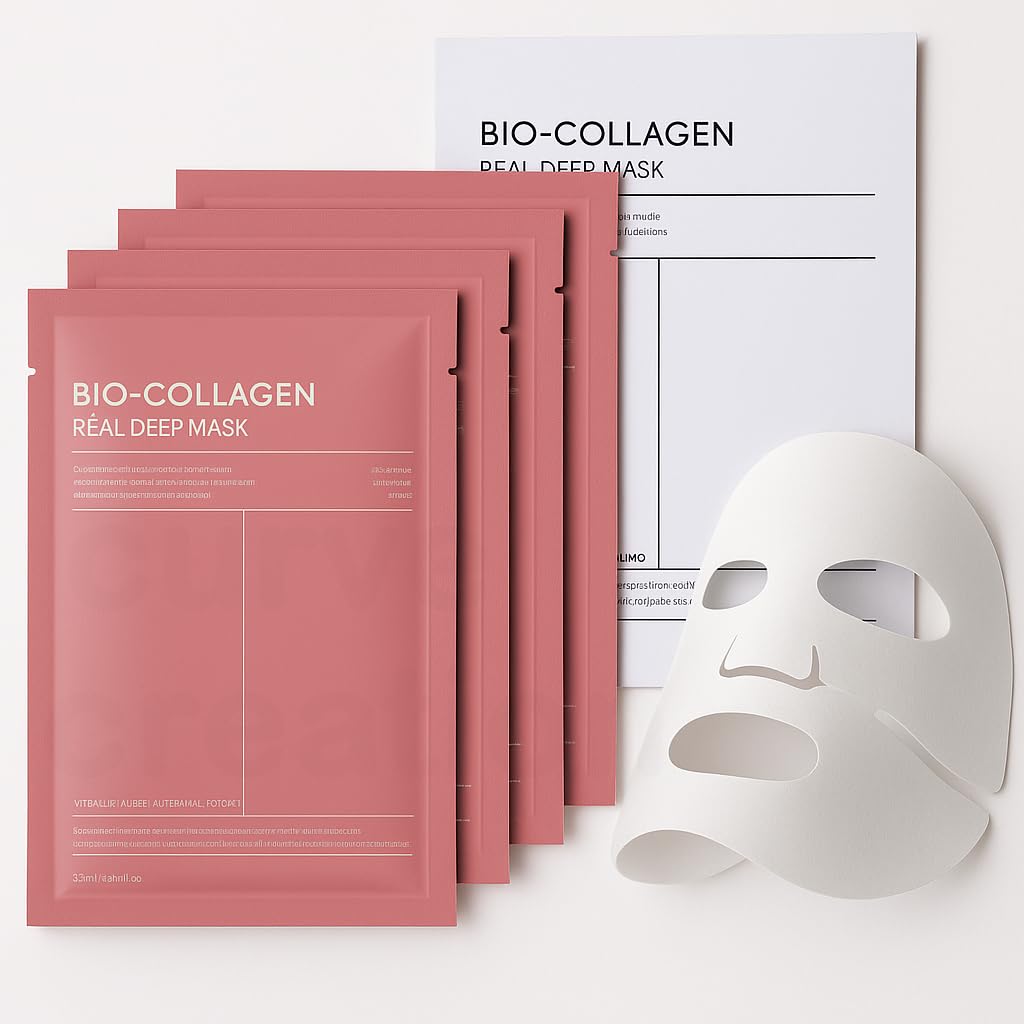
K-Beauty Step Product — Moisturizer / Treatment
A lightweight or barrier-support layer. Check the product page for full details.
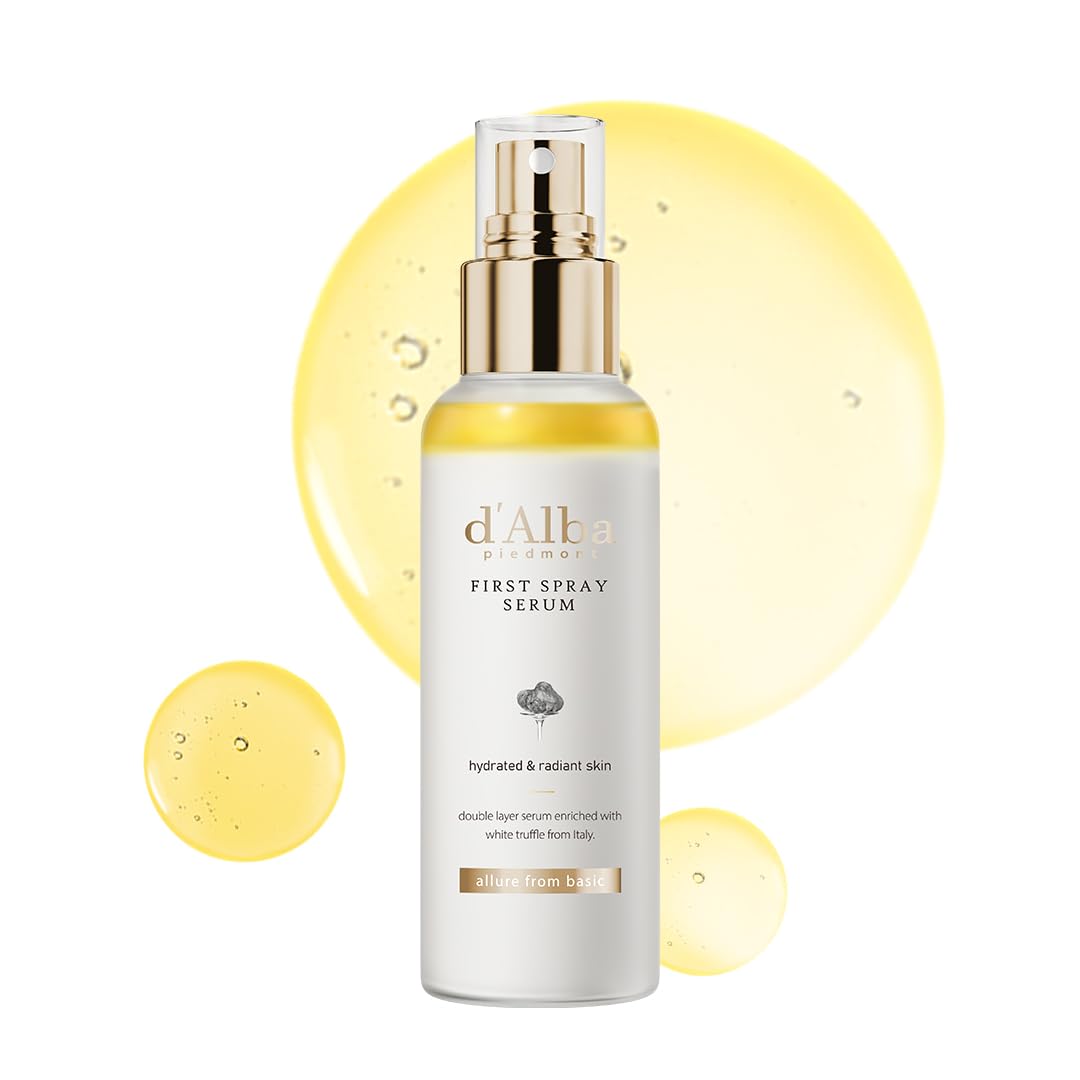
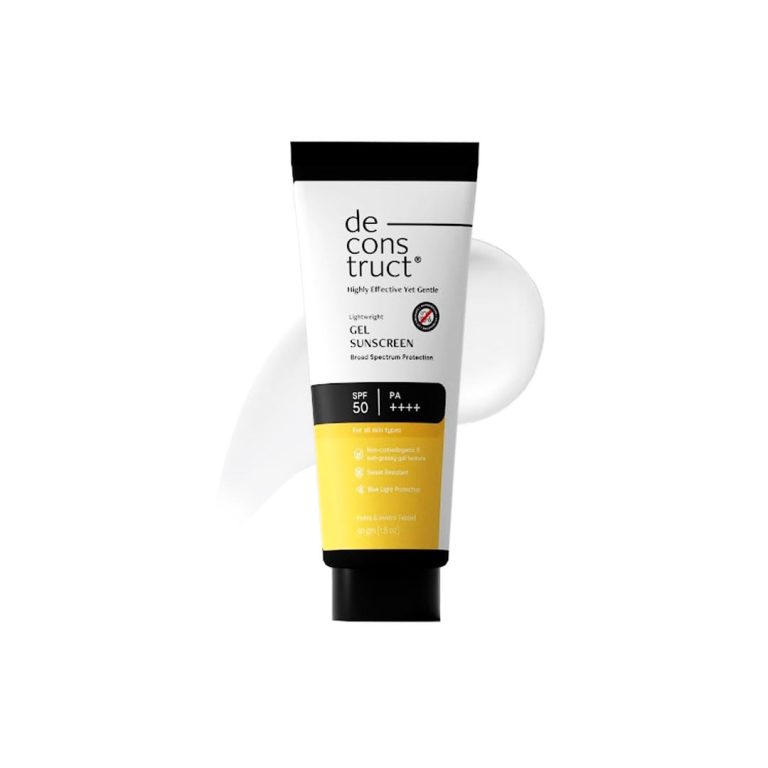
K-Beauty Step Product — Sunscreen / Finishing Care
The most important morning step. Confirm SPF rating and finish on the product page.
Introduction
The Korean 10-step skincare routine has become synonymous with “glass skin”—that smooth, hydrated, light-reflecting finish. But for many people, especially in humid climates like India, the idea of ten products feels excessive. Dermatologists agree that the number matters less than the order and the consistency.
This guide breaks down the 10 steps for day and night, explains which steps are truly essential, and points you toward the product categories worth buying. Whether you have dry, oily, or combination skin, you will learn how to adapt the routine without wasting money on products your skin does not need.
Table of Contents
What the Korean 10-Step Routine Actually Is
Korean skincare culture treats skin health as a long-term investment. The routine prioritizes gentle cleansing, layered hydration, and daily sun protection over aggressive treatments. The “10-step” label is a framework, not a rule. Dr. Jane Yoo, a board-certified dermatologist, notes that the foundation is “not a specific number of steps, it is a mindset.”
The original 10 steps typically include: oil cleanser, water-based cleanser, exfoliator, toner, essence, serum/ampoule, sheet mask, eye cream, moisturizer, and sunscreen. In practice, most people do not use every step every day. Exfoliation happens 1–2 times weekly, sheet masks are occasional, and the oil cleanse is usually night-only.
The 10 Steps in Order (Day vs. Night)
Morning Routine (Simplified)
Step 1 Water-Based Cleanser. Most skin does not need a full double cleanse in the morning. A low-pH gel or foam cleanser removes overnight sweat and residue without stripping.
Step 2 Toner / Hydrating Essence. Korean toners are hydrating, not astringent. Look for hyaluronic acid, centella, or niacinamide to prep skin for layering.
Step 3 Vitamin C Serum (optional but evidence-backed). A stabilized vitamin C serum in the morning supports antioxidant protection and brightening.
Step 4 Moisturizer. A lightweight gel-cream locks in hydration without heaviness.
Step 5 Sunscreen. Non-negotiable. Korean sunscreens are popular for their elegant, non-greasy finishes.
Night Routine (Fuller)
Step 1 Oil Cleanser. Dissolves sunscreen, makeup, and sebum. Even oily skin benefits—oil dissolves oil without stripping.
Step 2 Water-Based Cleanser. The second cleanse removes sweat and water-soluble residue.
Step 3 Exfoliator (1–2× weekly). Chemical exfoliants like BHA or AHA are gentler than scrubs and help keep pores clear.
Step 4 Toner. Rehydrates after cleansing.
Step 5 Essence. A lightweight hydrating layer that boosts absorption of subsequent products.
Step 6 Treatment Serum / Ampoule. Targeted actives: niacinamide for oil control, retinoid for aging/acne, or hydrating serums for dryness.
Step 7 Sheet Mask (optional, 1–2× weekly). An intensive hydration boost.
Step 8 Eye Cream. The under-eye area has thinner skin and fewer oil glands.
Step 9 Moisturizer. Seals in all previous layers.
Step 10 Sleeping Mask (optional). A thicker overnight occlusive for very dry skin. Skip in humid weather.
Which Steps You Can Skip in Humidity
Dermatologists quoted by Indian skincare outlets recommend streamlining the routine in hot, humid conditions. The non-negotiable steps are: cleanser, toner (or essence), moisturizer, and sunscreen. Everything else is customizable.
Skip or reduce if you have oily or acne-prone skin:
- Heavy creams → switch to gel moisturizers
- Daily exfoliation → 1–2 times weekly maximum
- Sleeping masks → may trap sweat and oil
- Multiple serums → choose one targeted active at a time
Keep if you have dry or dehydrated skin:
- Essence and hydrating toner layers
- Sheet masks 2–3 times weekly
- Ceramide-based moisturizers
Best Product Categories to Buy (20 Product Slots)
Rather than recommending specific brands without verified testing, here are the 20 product categories that fill the 10-step routine for day and night. Use the linked product cards above and verify each product’s ingredients and suitability for your skin type.
| # | Category | When | Key Ingredients to Look For |
|---|---|---|---|
| 1 | Oil cleanser | PM | Non-comedogenic oils, emulsifiers |
| 2 | Low-pH water cleanser | AM & PM | pH 4.5–5.5, ceramides |
| 3 | Chemical exfoliant (BHA/AHA) | 1–2× weekly PM | Salicylic acid, lactic acid |
| 4 | Hydrating toner | AM & PM | Hyaluronic acid, centella, glycerin |
| 5 | Essence | AM & PM | Fermented extracts, niacinamide |
| 6 | Vitamin C serum | AM | Stabilized L-ascorbic acid |
| 7 | Niacinamide serum | AM or PM | 5–10% niacinamide |
| 8 | Retinoid (if tolerated) | PM, 3–5× weekly | Retinal, adapalene, tretinoin (Rx) |
| 9 | Hydrating serum | AM & PM | Hyaluronic acid, panthenol |
| 10 | Sheet mask | 1–2× weekly | Varied |
| 11 | Eye cream | AM & PM | Peptides, caffeine |
| 12 | Gel moisturizer (oily/AM) | AM | Ceramides, niacinamide |
| 13 | Cream moisturizer (dry/PM) | PM | Ceramides, squalane |
| 14 | Sleeping mask | PM (dry skin) | Occlusives |
| 15 | Sunscreen SPF 30+ | AM daily | Filters appropriate for skin type |
| 16 | Lip balm with SPF | AM | — |
| 17 | Cleansing balm (travel/PM) | PM | — |
| 18 | Spot treatment | As needed | Benzoyl peroxide, salicylic acid |
| 19 | Face mist (optional) | Midday | Thermal water, glycerin |
| 20 | Makeup remover (if wearing makeup) | PM | — |
Colorful DIY: How to Apply Any Face Serum Correctly
🎨 The 4-Step Serum Rule (Works for Any Serum)
1. Start Clean. Apply serum to freshly cleansed skin. If you use toner, let it absorb for 30 seconds first.
2. Use a Pea-Sized Amount. Serums are concentrated. More is not better—a pea-sized amount covers the face and neck.
3. Pat, Don’t Rub. Dispense into palms, then gently press and pat onto skin using upward motions. Avoid harsh rubbing, especially around the eyes.
4. Wait, Then Seal. Give the serum 1–2 minutes to absorb, then apply moisturizer to lock it in.
Special note for active serums: If you are using a vitamin C serum in the morning, follow with sunscreen. If using a retinoid at night, start 1–2 times weekly and build tolerance slowly. Do not layer multiple strong actives in the same routine unless you have built tolerance and consulted a dermatologist.
Comparison: Essential vs. Optional Steps
| Step | Day Essential? | Night Essential? | Can Skip in Humidity? |
|---|---|---|---|
| Oil cleanse | No | Yes (if sunscreen/makeup) | Only if no makeup/SPF |
| Water cleanse | Yes | Yes | No |
| Exfoliation | No | 1–2× weekly only | Yes, if sensitive |
| Toner/Essence | Recommended | Recommended | Can combine into one |
| Treatment serum | Optional | Recommended | Choose one active |
| Sheet mask | No | Optional | Yes |
| Eye cream | Optional | Optional | Yes |
| Moisturizer | Yes | Yes | Use gel in AM |
| Sunscreen | Yes | No | Never skip |
FAQs
Is the Korean 10-step routine necessary for glass skin?
No. Dermatologists say the principles—gentle cleansing, hydration, and sun protection—matter more than the number of steps. A 4–6 step routine can achieve healthy, glowing skin if the products suit your skin type.
Can I do the 10-step routine if I have oily, acne-prone skin?
Yes, but simplify. Skip heavy creams and daily exfoliation. Use a gel moisturizer, a BHA exfoliant 1–2 times weekly, and lightweight hydrating layers instead of rich creams.
Should I do all 10 steps both morning and night?
No. Morning routines are typically shorter (cleanse, treat, moisturize, SPF). Night routines include the oil cleanse and can include exfoliation, sheet masks, or richer moisturizers.
How long does the 10-step routine take?
A full night routine can take 10–15 minutes with wait times between layers. A streamlined morning routine takes 3–5 minutes.
Can I use vitamin C and retinol in the same routine?
Use vitamin C in the morning and retinol at night to avoid irritation. Do not layer them directly in the same routine unless your skin is highly tolerant and a dermatologist has approved it.
Do I need a sheet mask every day?
No. Sheet masks are optional and best used 1–2 times weekly, or before events. Daily use can cause congestion in some skin types.
What is the correct order for serum and moisturizer?
Serum always comes before moisturizer. Serums are thinner and deliver actives; moisturizers are thicker and seal them in.
How do I know if a Korean product is suitable for my skin?
Check the ingredient list for your known irritants, look for non-comedogenic labels if acne-prone, and patch-test new products on your jawline for 3–5 days before full-face use.
Final Verdict
The Korean 10-step routine is a flexible framework, not a rigid prescription. The best approach for most people—especially in humid climates—is to build a 6–8 step routine that covers the essentials: gentle double cleanse (night), hydrating toner or essence, one targeted serum, a lightweight moisturizer, and daily sunscreen.
If you want to start today: Begin with a low-pH cleanser, a hydrating toner, a gel moisturizer, and a Korean sunscreen. Add a treatment serum (niacinamide or vitamin C) once your skin is comfortable with the basic routine. Introduce exfoliation and sheet masks only after 2–3 weeks of consistency.
Verify before buying: Check each product’s current price, ingredients, and suitability for your skin type on the product page. Patch-test all new products. If you have persistent acne or sensitive skin, consult a dermatologist before starting multiple actives.
Disclosure: This article contains affiliate links. If you purchase through these links, we may earn a small commission at no extra cost to you. This does not influence our editorial recommendations.
Medical Disclaimer: This article is for informational purposes only and does not constitute medical advice. Skincare products can cause irritation or allergic reactions. Patch-test new products and consult a qualified dermatologist if you have persistent skin concerns, especially if you are using prescription retinoids or treating a medical skin condition.
References
- Jane Yoo MD. “The Korean Skincare Routine in 2026, Explained by a Korean Dermatologist.” 2026.
- Outlook Luxe. “Is The Viral 10-Step Korean Skincare Routine Really Helpful?” March 2026.
- NIVEA India. “How to Use Face Serum for Maximum Benefits.” September 2025.
- Nykaa Beauty Book. “The K-Beauty Secrets That Actually Work On Indian Skin.” September 2025.
- YesStyle. “How to Build Your Perfect Korean Skin Care Routine.” October 2026.
- K-Beauty Diary. “The Real Way to Get Glass Skin: The 10-Step Routine Koreans Don’t Really Talk About.” August 2026.
- The Face Shop India. “Dermatologists Answer: How to Layer K-Beauty Products for Glass Skin in Indian Humidity.” August 2026.
- Lookfantastic. “The 10-Step Korean Skincare Routine.” July 2025.
- No7 Beauty. “How to Apply Face Serum: The Ultimate Guide.” June 2026.
About the Author