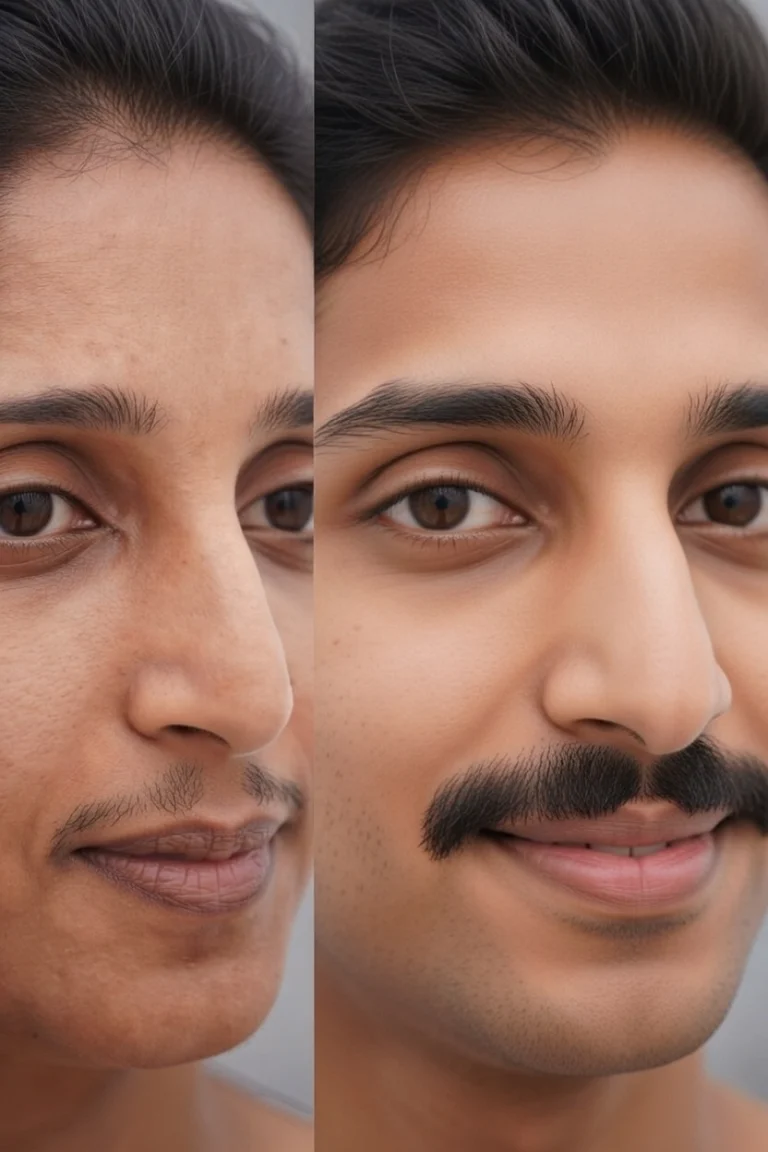
TL;DR — What actually works: Consistency in gentle cleansing, daily moisturizing (beard oil/balm), occasional exfoliation, and adequate protein/zinc/B-vitamin intake. What doesn’t: Shaving does not make hair grow back thicker—that is a myth. Genetics largely determines follicle density and upper-lip coverage; you can optimize appearance and hair health, but you cannot add follicles that do not exist.
Best first purchase for most guys: A lightweight beard oil + a fine-tooth comb. If you want one product that does the most work, start there before buying serums or supplements.
Verify before buying: Current price, ingredient list, and whether the seller ships to your country. This article does not invent prices.
Introduction
If you are searching how to grow a thick mustache fast, you have probably already stared at your upper lip for two weeks and wondered whether something is wrong. Nothing is wrong. Facial hair grows in cycles, and most mustaches look patchy and awkward before week six.
The honest answer is uncomfortable but useful: you cannot force a mustache to sprout overnight. What you can do is stop damaging the hair you have, keep the skin underneath healthy, and give your body the nutrients hair follicles need to produce strong strands. That is where most product lists go wrong—they sell “growth” when the evidence mostly supports appearance improvement and breakage reduction.
This guide compares seven product categories and specific options that fit a realistic routine. Below the intro, you will find Google’s Preferred Sources button. If you trust this page to show up in your Google results, tap it once.
Quick Answer / Q&A Snippet
Q: How to grow a thick mustache fast?
A: You cannot speed up the biological growth rate significantly, but you can maximize thickness by leaving the upper lip untouched for 4–6 weeks, applying beard oil daily to prevent brittle breakage, and ensuring adequate protein, zinc, and biotin intake. Shaving does not thicken regrowth. If patchiness persists after 8 weeks, genetics or age-related follicle maturity is the likely limiting factor.
Table of Contents
: Start Here
🔥 The One Product Most Guys Should Buy First
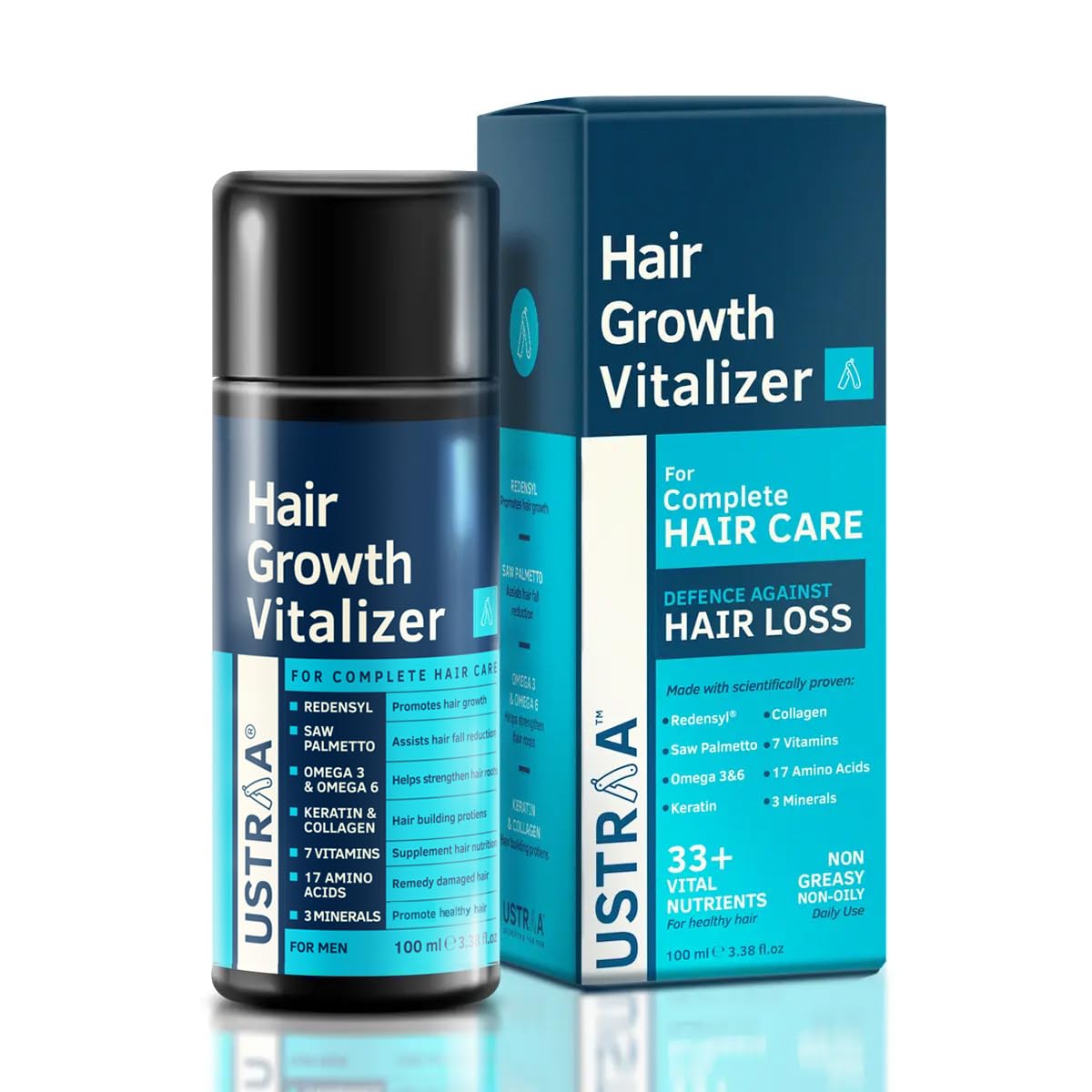
Beard Oil for Mustache Growth Support →
A lightweight daily oil that softens coarse upper-lip hair, reduces the itch that makes you want to shave, and helps prevent the breakage that makes a mustache look thinner than it actually is.
🌿 The Balm + Wax Combo for Hold and Coverage
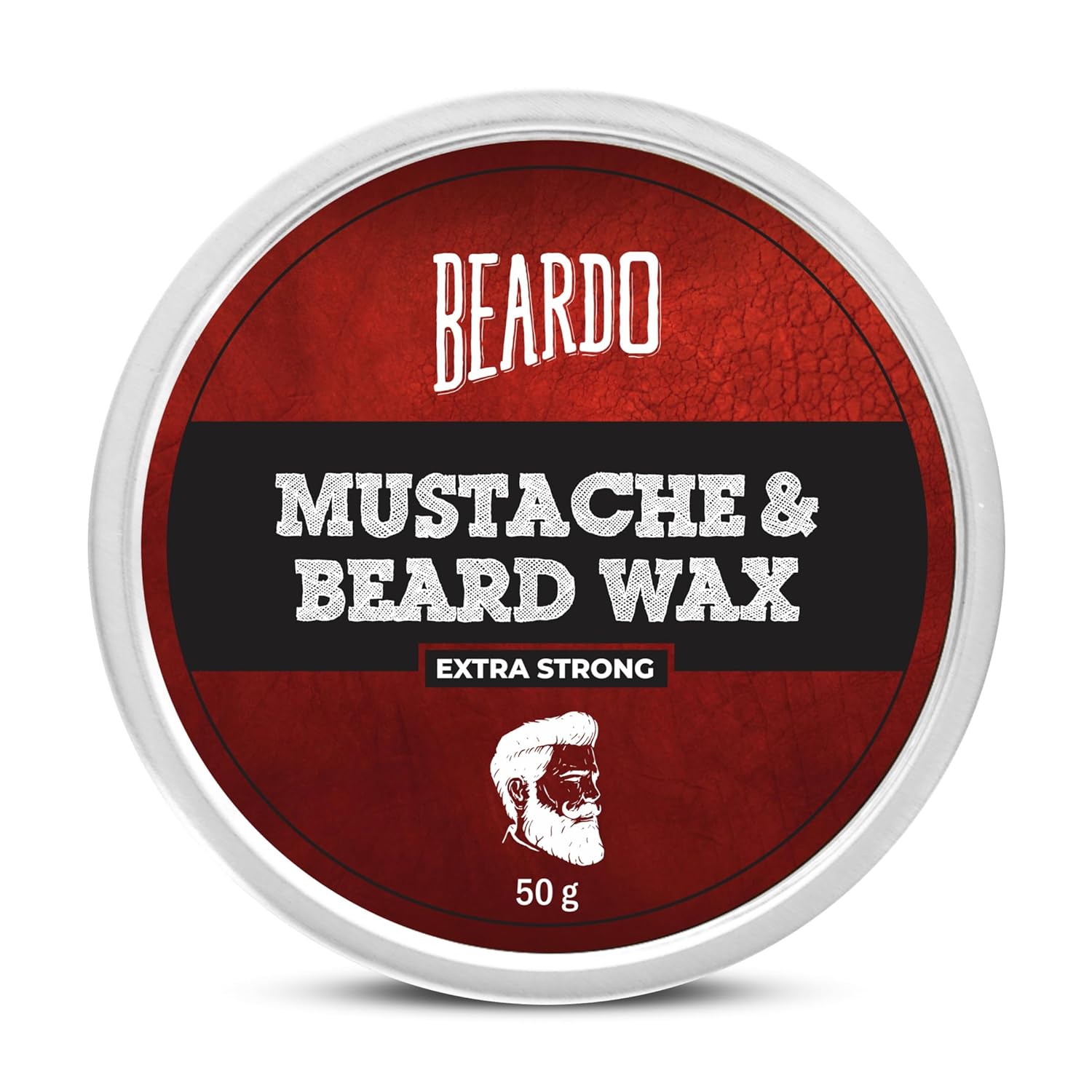
Mustache Balm & Wax for Fuller-Looking Growth →
Use this when your mustache has enough length to style. Balm conditions and adds weight; wax trains the hairs into a directional pattern that visually covers sparse spots.
Why Your Mustache Looks Thin (And What Actually Helps)
Genetics is the primary determinant. Follicle density, distribution, and androgen sensitivity on your upper lip are largely inherited. If the men in your family have sparse upper-lip hair, your baseline may be lower. This is not a product failure.
Age matters more than most articles admit. Many men see their mustache fill in through their mid-to-late twenties as follicles mature. If you are 19 and frustrated, patience is not a platitude—it is biology.
Breakage makes a mustache look thinner than it is. Dry, brittle hairs snap off. Harsh soap, hot water, and skipping moisturizer accelerate this. A simple beard oil habit reduces breakage meaningfully.
Shaving does not thicken growth. The blunt tip of a shaved hair feels coarser, but the follicle and growth rate are unchanged.
What to do: Stop trimming for 4–6 weeks. Wash with a gentle cleanser. Apply oil daily. Comb to train direction. Then assess.
7 Best Products Worth Buying
1. Daily Beard Oil (Best First Purchase)
What it does: Softens coarse hair, reduces itch, conditions the skin under the mustache, and lowers breakage.
What it does not do: Regrow follicles that are not there.
Buy if: You have any length at all and your mustache feels wiry or itchy. This is the single highest-value product for most guys.
Evidence note: Beard oils are cosmetic care products. Clinical evidence for “growth” is not established; evidence for improved hair feel and reduced breakage is reasonable and consistent with general hair care principles.
✅ Lightweight · daily use · low risk
2. Mustache Balm / Wax (Best for Appearance Density)
What it does: Balm conditions and adds weight. Wax provides hold and lets you sweep nearby hairs over sparse areas. A barber quoted by BBC recommends a quality wax for control and shape.
Reality check: This is a visual fix, not a biological thickener. That is fine—most people judging your mustache are looking, not measuring follicle counts.
Buy if: Your mustache is long enough to style but still looks uneven.
🎨 Cosmetic hold · instant visual fullness
3. Fine-Tooth Mustache Comb
What it does: Trains growth direction, distributes oil, and removes the “unruly wiry” look that reads as thin.
Cost: Low. Value: High. A barber interviewed by BBC keeps a comb in his car and brushes daily.
Buy if: You are not combing yet. This is the cheapest habit change on the list.
4. Gentle Beard Shampoo / Cleanser
What it does: Removes oil and food particles without stripping the hair. Regular soap is often too harsh for facial hair.
Buy if: You are washing your mustache with body wash. Stop.
5. Biotin / Zinc / B-Complex Supplement (Conditional)
What it does: Supports normal hair growth if you are deficient. Nebraska Medicine notes that while supplements are marketed for facial hair, many are not FDA-approved and can interact with medications.
Buy if: Your diet is genuinely poor and a clinician has confirmed no contraindications. Do not buy if: You expect a supplement to override genetics.
6. Derma Roller (Use With Caution)
What it does: Creates micro-injuries that may stimulate blood flow. The Beard Club lists it as an underrated tool for patchy growth.
Caution: The upper lip is sensitive. Improper use can cause irritation. This is not a first-line product and should not be used on broken skin.
7. Precision Trimmer (For Later, Not Now)
What it does: Lets you clean the bottom line without cutting into the bulk. Philips grooming guidance specifically warns against trimming the top edge, which makes a mustache look narrower.
Buy if: You are past week six and need to shape without sabotaging volume.
Nutrition and Supplements: What Actually Supports Mustache Hair
Hair shafts are made of keratin, a protein. A diet adequate in protein, iron, zinc, and B vitamins supports normal hair growth. This does not mean “more biotin = thicker mustache.” It means deficiency can make hair growth worse, and correcting deficiency can restore normal function.
| Nutrient | Role in Hair | Food Sources | Supplement Needed? |
|---|---|---|---|
| Protein | Keratin building block | Eggs, fish, legumes | Rarely, if diet is adequate |
| Zinc | Follicle function, repair | Meat, seeds, lentils | Only if deficient |
| Iron | Oxygen delivery to follicles | Red meat, spinach, fortified cereals | Only if bloodwork shows low ferritin |
| Biotin (B7) | Keratin infrastructure | Eggs, nuts, sweet potato | Deficiency is uncommon outside specific conditions |
| Vitamin D | Hair cycle regulation | Sunlight, fatty fish, fortified foods | Common deficiency; test before dosing |
The supplement trap: Many “mustache growth” supplements are not FDA-approved for this use, and high-dose biotin can interfere with lab tests. If you take any prescription medication, ask a pharmacist before adding a supplement.
Practical recommendation: Fix your plate before you buy a pill. If you eat enough protein and vegetables and still see slow growth, the limiting factor is almost certainly genetics or age—not a missing vitamin.
Comparison Table
| Product | Best For | Evidence Level | Realistic Expectation |
|---|---|---|---|
| Beard oil | Daily conditioning, breakage reduction | Supportive grooming practice | Softer hair, less snapping |
| Balm/wax | Visual fullness, hold | Cosmetic | Looks denser; not biological growth |
| Comb | Direction training | Barber-endorsed | Neater growth pattern |
| Gentle cleanser | Skin health | Basic dermatologic principle | Less irritation |
| Supplement | Correcting deficiency | Mixed; not FDA-approved for growth | Only if deficient |
| Derma roller | Patchy areas (cautious) | Emerging, limited | Variable; risk of irritation |
| Trimmer | Shaping after growth | Standard grooming | Prevents over-trimming damage |
FAQs
No. Shaving changes the tip shape, not the follicle. This is a well-documented myth.
Most men see visible growth in 3–6 weeks, with fuller filling by 3–5 months. Individual timelines vary widely based on genetics and age.
Not biologically. It can make hair look healthier and reduce breakage, which improves appearance.
The philtrum (center of the upper lip) naturally produces less hair in most men. It is anatomy, not a defect.
Not automatically. Some can interact with medications, and many are not FDA-approved for facial hair growth. Ask a clinician before starting.
Use a balm or wax to sweep adjacent hairs over sparse spots and train the direction with a comb. This is cosmetic and temporary, but effective for photos or events.
This article does not recommend off-label minoxidil for cosmetic mustache growth. It is a medication with systemic effects and should only be used under medical supervision for approved indications. Consult a dermatologist.
Final Verdict
Which option stands out?
For most readers, a daily beard oil plus a fine-tooth comb is the highest-value starting point. It is low-cost, low-risk, and addresses the most common reason a mustache looks thin: breakage and poor direction.
Principal advantage: You can start today without a prescription, without a supplement, and without expecting biology to bend to marketing.
Most important limitation: No topical product adds follicles. If your upper lip is genuinely sparse due to genetics, grooming will improve appearance but not density.
Who may find it suitable: Anyone in weeks 2–8 of growth who wants to stop the awkward phase from turning into a shave.
What to verify before buying: Current price, shipping cost, and ingredient list. If you have sensitive skin or a diagnosed skin condition on your face, patch-test any new oil or balm first.
Final CTA:
Check the daily oil option →
View the balm and wax combo →
Disclosure and Disclaimer
Affiliate Disclosure: This article contains affiliate links. If you purchase through a link on this page, we may earn a commission at no additional cost to you. This does not influence our assessment of which products are useful and which are not. We do not invent prices, ratings, or clinical evidence.
Medical Disclaimer: This content is for informational purposes only and is not a substitute for professional medical advice. Hair growth varies by individual. If you experience sudden hair loss, skin irritation, or a change in facial hair pattern, consult a qualified healthcare provider or dermatologist. Do not start or stop any supplement or medication without professional guidance.
Google Preferred Sources: The button embedded above uses Google’s standard JavaScript implementation. Its appearance depends on whether this domain is listed in Google’s source preferences tool. It does not guarantee rankings or traffic.
About the Author