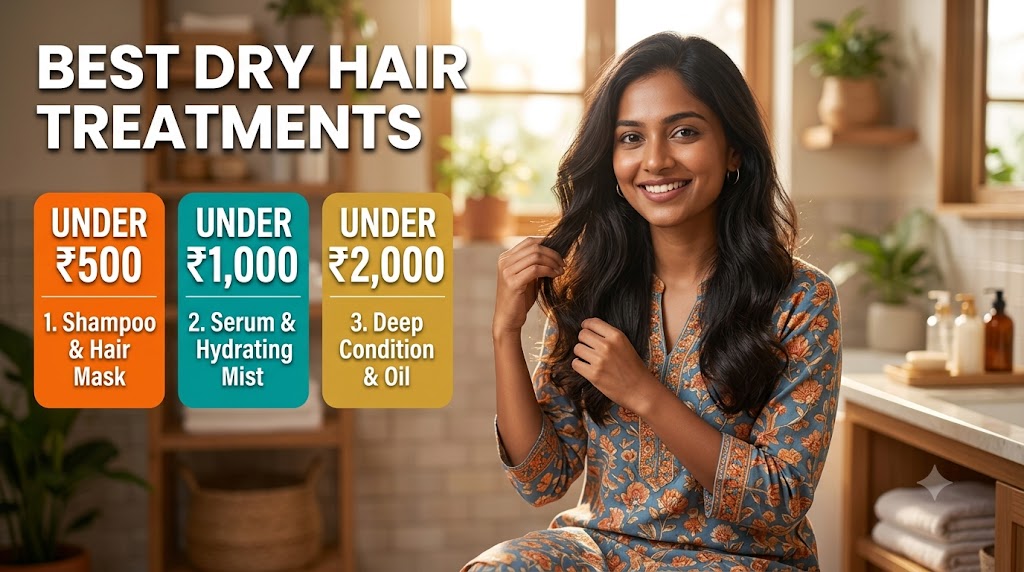
Best Dry Hair Treatments Under ₹500, ₹1,000 and ₹2,000 in India do not have to cost salon prices. If your hair feels rough, frizzy or straw-like, the right affordable mask, serum or pre-wash oil can improve softness and manageability within four to six weeks. This buying guide compares nine proven options across three budgets, explains which ingredients actually matter, and shows you how to verify price, quantity and cost per ml before you buy.
Best Dry Hair Treatments Under ₹500: Quick Verdict
- Best value for most readers: Coconut oil as a pre-wash treatment plus a budget rinse-out mask. Coconut oil has direct evidence for reducing protein loss during washing, while a mask improves surface conditioning.
- Best for immediate frizz control: A lightweight leave-in serum under ₹500. It smooths the cuticle temporarily but does not repair the hair shaft.
- Best for chemically or heat-damaged hair: A mid-range keratin, peptide or ceramide mask in the ₹900–₹2,000 range — only if the active ingredient appears meaningfully on the ingredient list.
- Verify before buying: Full ingredient list, quantity in ml, cost per ml, rinse-out vs leave-in format, seller reputation and the live price on the retailer page.
- Important limitation: No topical product permanently cures dry hair or fuses split ends. Consistent gentle care and reducing heat or chemical exposure matter more than a single expensive product.
Best Dry Hair Treatments Under ₹500, ₹1,000 & ₹2,000: Check Live Prices
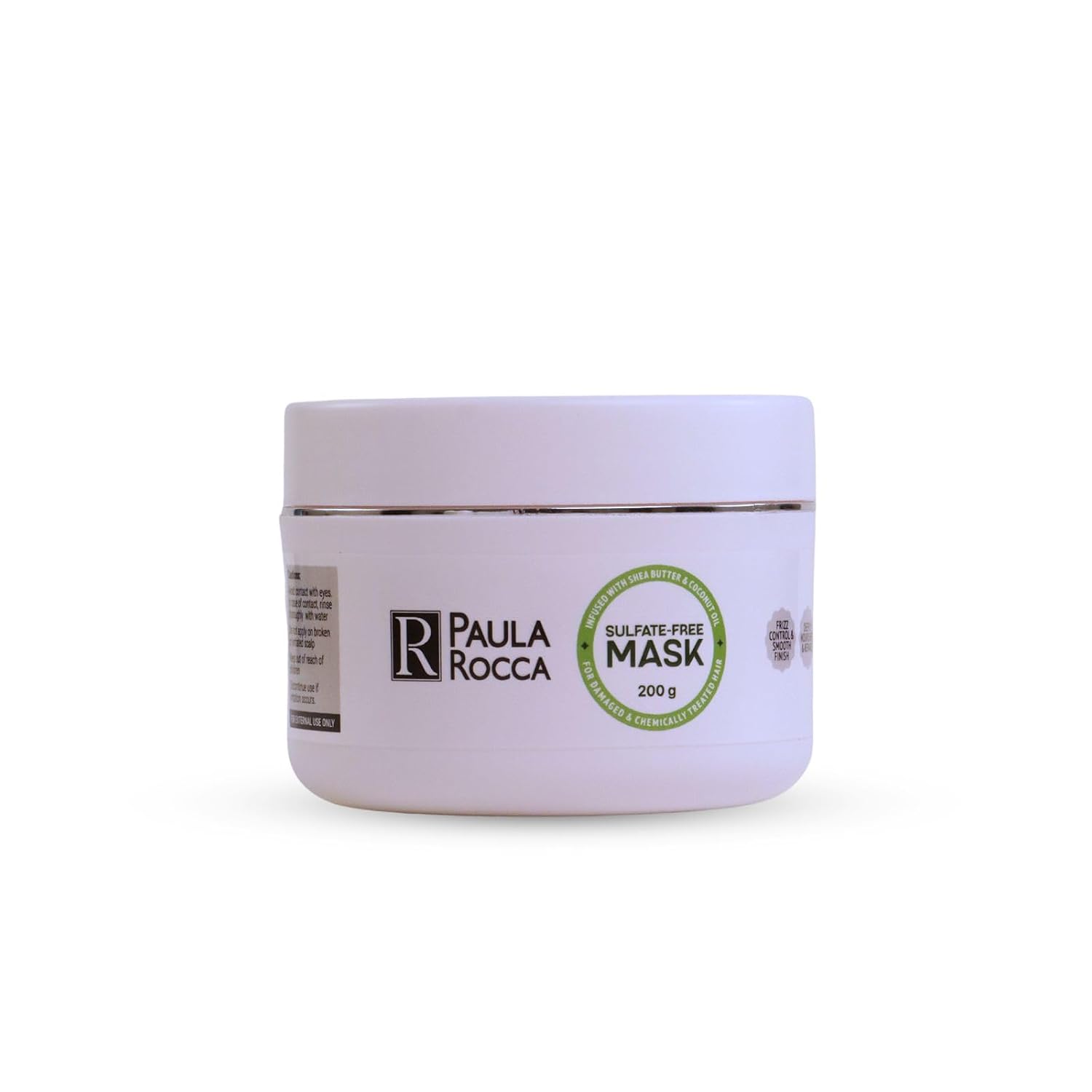
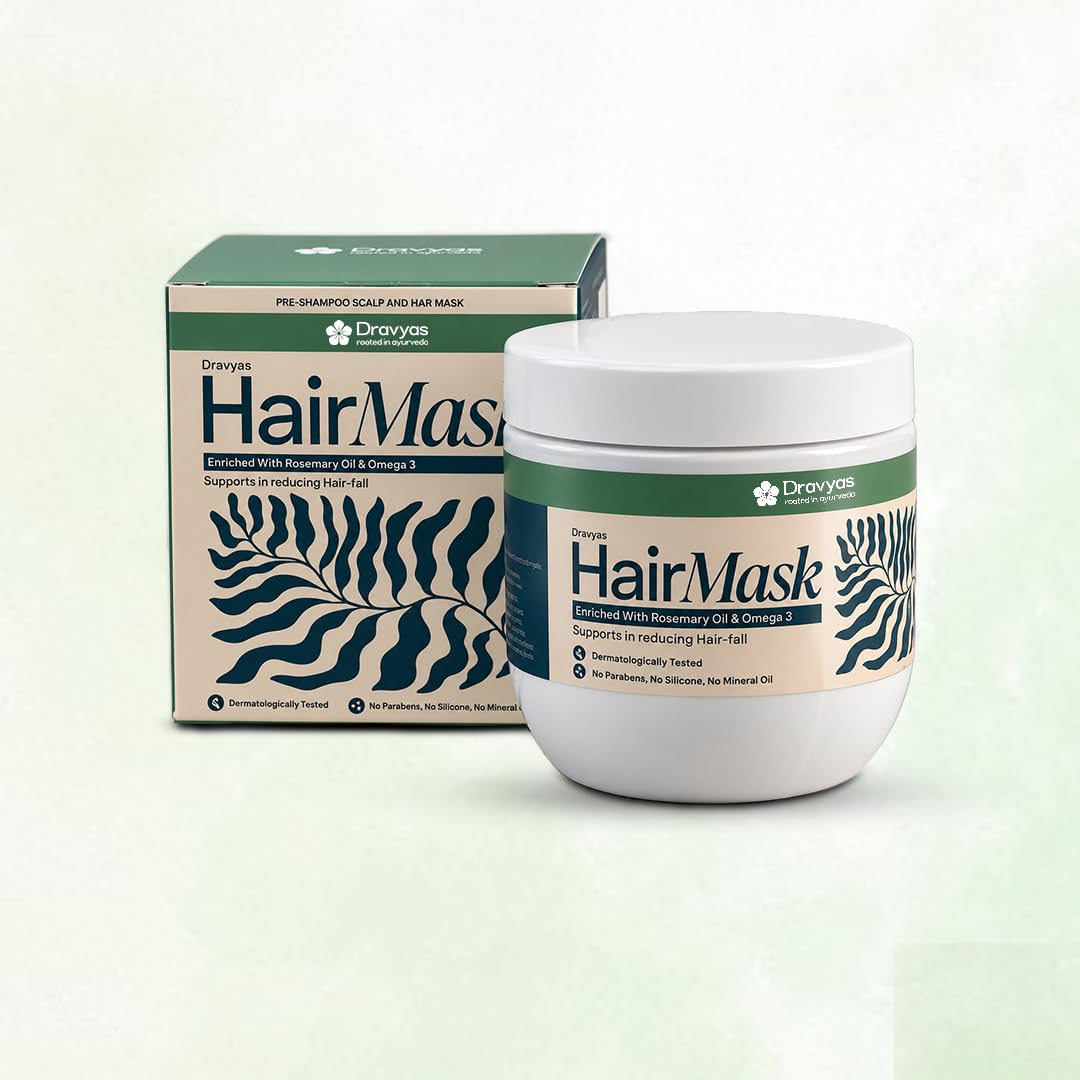
These partner links take you to Amazon. Prices and availability change frequently, so confirm the current price, quantity, ingredient list and seller on the Amazon page before buying. The cards below are not locked to a fixed budget band.
Partner pick 1
Check current price and details
Verify whether the listing fits your budget, and check whether it is a mask, serum or oil.
Partner pick 2
View product details
Compare the live price with your chosen budget band. Confirm the format and quantity before adding to cart.
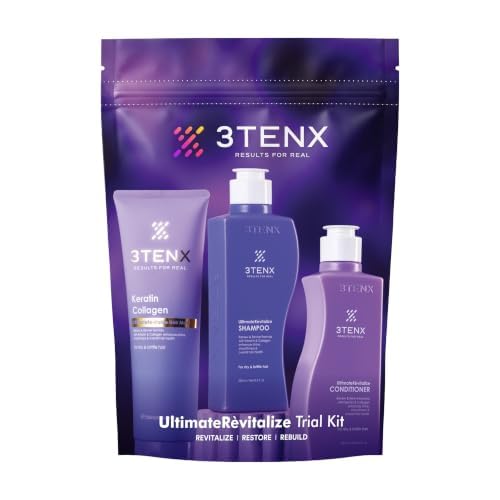
Partner pick 3
See current availability
Check the current price and cost per ml. A higher price does not automatically mean better results.
Product images are 150 px thumbnails. Packaging, quantity and price may differ on the retailer page.
What “Dry Hair” Actually Means
“Dry hair” is a cosmetic description, not a diagnosis. It usually reflects cuticle damage, low moisture content or high porosity. Bleaching, colouring, repeated heat styling, rough brushing and harsh cleansing can all lift or crack the outer cuticle, allowing moisture to escape.
A dermatologist can help distinguish simple cosmetic dryness from scalp conditions or hair-shedding disorders that need medical treatment. If your hair has suddenly become much drier, breaks easily, or is accompanied by scalp itching or shedding, do not rely on cosmetic masks alone.
What treatments can realistically do: Well-formulated masks, oils and serums can smooth the cuticle, temporarily reduce protein loss, improve detangling and make hair feel softer. They cannot permanently reverse structural damage or “heal” split ends.
How We Evaluated the Best Dry Hair Treatments Under ₹500
- Ingredient relevance: Does the formula contain ingredients with plausible mechanisms and some supporting evidence — coconut oil for protein-loss reduction, hydrolysed keratin for surface conditioning, or humectants such as glycerin and hyaluronic acid?
- Cost transparency: Price per ml matters more than the pack price. A large bottle is not automatically better value.
- Format suitability: Rinse-out masks suit intensive weekly conditioning; leave-in serums suit daily frizz control; pre-wash oils suit protection during washing.
- Evidence quality: We separate lab-based mechanistic studies, small clinical trials and manufacturer claims. Coconut oil has stronger direct evidence for reducing protein loss than most botanical oil blends.
- Availability in India: Products should be reasonably accessible through major Indian retailers.
We did not rank products by affiliate payout. Where a cheaper option has better evidence for a specific purpose, we say so.
Comparison Table: Best Dry Hair Treatments Under ₹500, ₹1,000 & ₹2,000
| Budget band | Best treatment format | What to prioritise | Watch out for |
|---|---|---|---|
| Under ₹500 | Coconut-oil pre-wash, basic rinse-out mask, lightweight serum | Simple ingredient lists, humectants, coconut oil, small packs to test tolerance | Very low-cost masks may rely mainly on silicones for temporary slip |
| Under ₹1,000 | Mid-range peptide, keratin or ceramide mask; concentrated serum | Active ingredient position on the list, cost per ml, sulfate-free options for coloured hair | “Bond repair” claims without disclosed technology or concentration |
| Under ₹2,000 | Salon-style mask, multi-step kit, premium oil blend | Structured routine, verified ingredient concentration, whether every included product suits you | Paying for branding or convenience rather than a proven advantage |
Prices and availability change. Confirm the current price, quantity and seller on the retailer page before purchase.
Best Dry Hair Treatments Under ₹500: 3 Proven Picks
1. Coconut Oil Pre-Wash (Best Dry Hair Treatment Under ₹500 for Protein Loss)
Coconut oil has the strongest direct evidence among commonly used hair oils for reducing protein loss from hair during washing and combing. A frequently cited study found that coconut oil significantly reduced protein loss in both undamaged and damaged hair, unlike mineral and sunflower oils. This does not mean it repairs split ends, but it can reduce one pathway of damage.
How to use: Apply a small amount to mid-lengths and ends 30–60 minutes before shampooing, or overnight if your scalp tolerates it. Wash out with a gentle shampoo. Avoid heavy application on the scalp if you are prone to buildup or dandruff.
Limitation: Coconut oil is not a conventional conditioner; it does not provide lasting slip or detangling on its own.
2. Budget Rinse-Out Mask with Humectants or Hydrolysed Protein
Look for a mask that lists glycerin, hyaluronic acid or hydrolysed protein reasonably high on the ingredient list. These ingredients can improve surface conditioning and moisture retention. At this price point, expect a cosmetic improvement in softness and manageability rather than structural repair.
Check before buying: Quantity in ml, cost per ml, whether it is rinse-out or leave-in, and whether fragrance or preservatives might irritate a sensitive scalp.
Check the budget partner listing on Amazon
3. Lightweight Leave-In Serum for Frizz
A silicone- or oil-based serum can temporarily smooth the cuticle and reduce frizz. It is useful for a daily cosmetic finish, especially on dry ends. It does not replace a conditioner or mask, and over-application can weigh down fine hair.
Best Dry Hair Treatments Under ₹1,000: 3 Proven Picks
1. Peptide or Keratin Mask for Damaged Hair
At this price point, you can look for masks that specify hydrolysed keratin, keratin amino acids, collagen peptides or ceramides. Laboratory studies suggest that keratin peptides can improve the surface and mechanical properties of damaged hair when used consistently. The effect is cosmetic and cumulative, not a permanent repair.
What to check: Look for “hydrolysed keratin” or “keratin amino acids” in the ingredient list, not just “keratin” on the front label. Also check whether the product is a rinse-out mask or a leave-in treatment.
Limitation: Protein treatments can make some hair feel stiff if overused. Alternate with a moisture-focused mask if you notice brittleness.
View the mid-range partner listing on Amazon
2. Sulfate-Free Mask for Colour-Treated Hair
Colour-treated hair often benefits from gentler cleansing and richer conditioning. A sulfate-free mask with emollients such as squalane or plant oils can improve manageability and reduce the rough feel of dry ends. “Bond repair” claims should be interpreted cautiously unless the product specifies the bond-building technology and concentration.
3. Concentrated Leave-In Serum
A small, concentrated serum can be convenient for targeted application on ends. Compare cost per ml before upgrading: some mid-range serums cost several times more per ml than budget options without a clear evidence advantage.
Best Dry Hair Treatments Under ₹2,000: 3 Proven Picks
1. Salon-Style Repair Mask with Disclosed Actives
In this band, you are paying for a more concentrated formula, better texture or a specific active ingredient. Look for products that disclose hydrolysed proteins, ceramides or bond-building technology. If the active ingredient is not disclosed and the claim is vague, a cheaper mask may be just as useful.
2. Multi-Step Kit for a Structured Routine
A kit can be cost-effective if you will use every included product. However, if you already have a shampoo you like, you may be paying for duplication. Check the quantity of each item and whether the mask or serum is the main value.
See the premium partner listing on Amazon
3. Premium Oil Blend
Ayurvedic-inspired oil blends with bhringraj, brahmi or amla are popular in India. Many users find oiling helpful for scalp comfort and manageability, but the evidence for specific herbal blends is generally weaker than for coconut oil alone. Compare cost per ml with plain coconut oil if cost-efficiency is your priority.
Buying Criteria for Best Dry Hair Treatments Under ₹500
- Match the format to your routine: Rinse-out masks for weekly conditioning; leave-in serums for daily frizz; pre-wash oils for protection during washing.
- Read the ingredient list, not just the front label: Ingredients are listed in descending order of concentration until 1%. A trace amount of argan oil is not the same as a meaningfully formulated product.
- Calculate cost per ml: Divide the price by the quantity. A large pack with a weak formula is not good value.
- Consider hair porosity: High-porosity hair often benefits from richer oils, butters and hydrolysed proteins. Low-porosity hair may respond better to lightweight humectants and water-based serums.
- Avoid irritants if you have scalp sensitivity: Fragrance and some preservatives can aggravate scalp dermatitis. Patch-test new products.
Safety and Medical Considerations
- Persistent dryness is not always cosmetic. If your hair is suddenly much drier, breaking easily, or accompanied by scalp itching, redness or shedding, see a dermatologist.
- Do not use hair treatments to self-treat a medical condition. Hair loss and scalp disease require professional assessment.
- Patch-test new products. Apply a small amount behind the ear or on the inner forearm and wait 24–48 hours before full application, especially if you have sensitive skin.
- Reduce over-processing. Repeated bleaching, colouring and heat styling will outpace any topical treatment.
- Protein treatments are not universally beneficial. If hair feels stiff or brittle after a protein mask, reduce frequency and switch to a moisture-focused product.
FAQs: Best Dry Hair Treatments Under ₹500
Are expensive dry hair treatments better than cheap ones?
Not necessarily. Price often reflects branding, packaging and marketing rather than a proportionally better formula. A budget coconut-oil pre-wash has stronger direct evidence for reducing protein loss than many premium products with vague repair claims. The best choice depends on the specific ingredients and consistent use.
Can a hair mask permanently repair split ends?
No. Split ends are structural breaks in the hair shaft. No topical product can fuse them back together. Masks and serums can temporarily smooth the appearance of split ends and reduce further damage, but trimming is the only permanent solution.
How often should I use a hair mask for dry hair?
Most rinse-out masks are designed for once or twice weekly use. Start with once a week and adjust based on how your hair feels. Overuse of rich masks can weigh hair down or cause buildup.
Is coconut oil better than argan oil for dry hair?
For reducing protein loss during washing, coconut oil has stronger direct evidence. Argan oil is popular for improving feel and shine, but evidence for hair growth or structural repair is weaker. Both can be useful for different purposes.
Can I use a hair serum on my scalp?
Most serums are designed for mid-lengths and ends, not the scalp. Applying them to the scalp can cause buildup, irritation or greasiness. If you have a dry scalp, look for a specifically formulated scalp product or consult a dermatologist.
Do I need a medical review before using these products?
If you have a known scalp condition, sudden hair shedding or persistent irritation, consult a dermatologist before starting new treatments. Cosmetic dryness can usually be managed with gentle care, but medical causes should be excluded.
Final Verdict: Best Dry Hair Treatments Under ₹500, ₹1,000 & ₹2,000
If your priority is evidence and value: Start with a plain coconut-oil pre-wash and a budget rinse-out mask under ₹500. This combination addresses protein-loss protection and surface conditioning without overspending.
If your hair is chemically or heat-damaged: Consider a mid-range keratin or peptide mask under ₹1,000, and use it consistently for at least four to six weeks before judging results. Pair it with a lightweight leave-in serum for daily frizz control.
If you want a complete routine: A kit under ₹2,000 can be reasonable, but check that you will actually use every included product. Do not buy a kit solely because it appears discounted.
What not to expect: No product will permanently reverse damage or eliminate the need for regular trims. The most effective “treatment” is a consistent, gentle routine that minimises new damage while improving the feel and manageability of the hair you have.
Compare the budget partner pick
Compare the mid-range partner pick
Compare the premium partner pick
References
- Rele AS, Mohile RB. Effect of mineral oil, sunflower oil, and coconut oil on prevention of hair damage. Journal of Cosmetic Science. 2003;54(2):175–192. PubMed (dofollow)
- American Academy of Dermatology. How to stop hair breakage. AAD (dofollow)
- NHS. Hair loss. NHS (dofollow)
Related reading on HairTransplantsIndia.com:
Hair loss and scalp health resources ·
Hair transplant and treatment guides.
Replace these homepage links with verified internal article URLs and descriptive anchor text before publication.
About the Author